
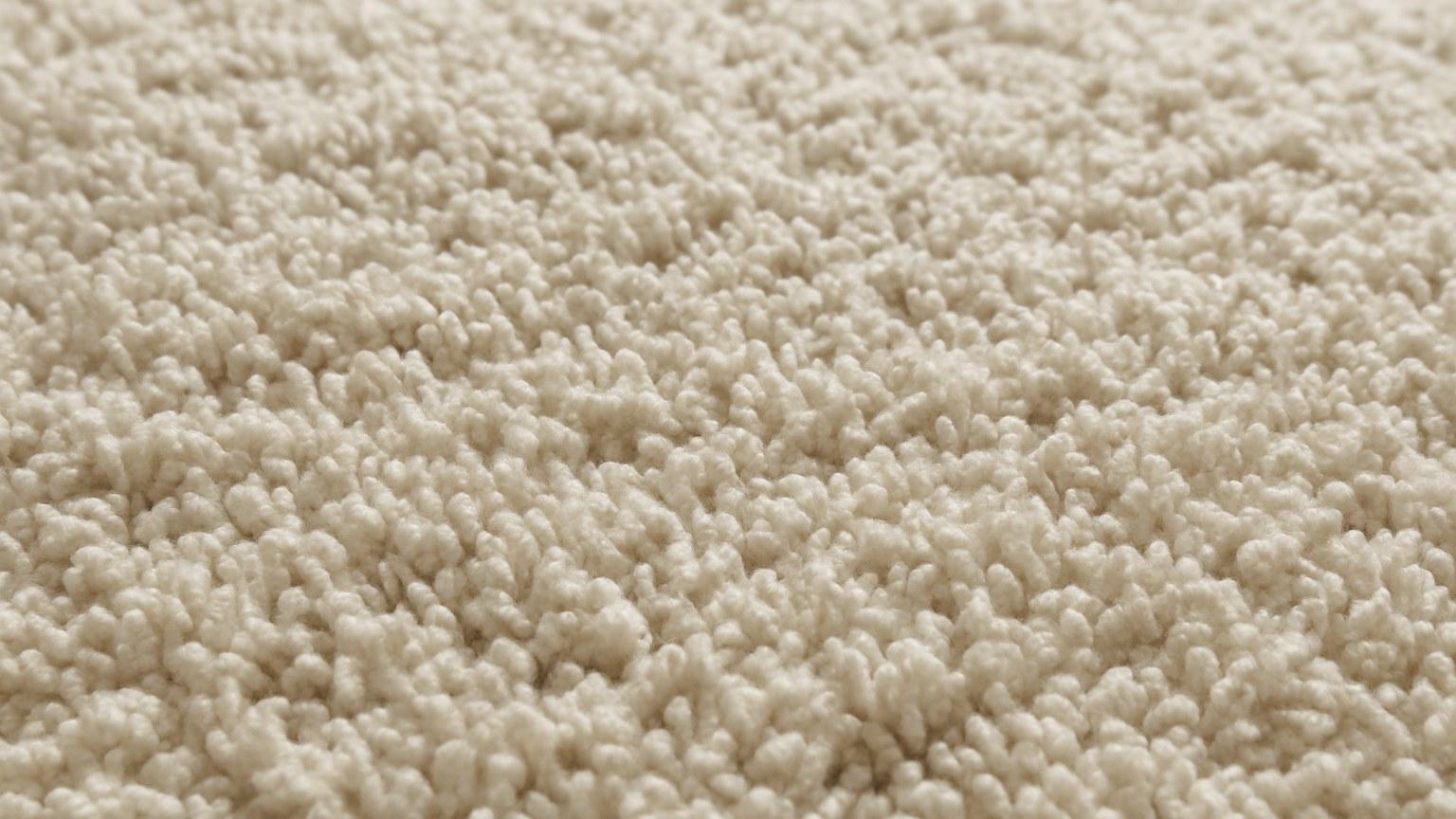
Plush carpet is cut-pile carpet sheared to one smooth, velvety height, but whether it lasts comes down to density and face weight, not that soft showroom feel. Buyers get burned because the name sells the touch, not the wear. Pick the wrong plush for a busy room and it mats down by year two.
Key takeaways
- Density and face weight, not the word "plush," decide whether it flattens; read the maker's published face weight and density for each style instead of trusting the showroom feel.
- Installed plush runs about $1.36-$13.58 per square foot materials and labor per fixr.com, with labor alone at $3-$11; ezhomesearch.com puts the national average at $6.35 per square foot installed.
- Plush belongs in bedrooms and formal low-traffic rooms; skip it on stairs and busy entries where a dense low pile wears better.
- Wool scatters light to hide soil and chars instead of melting, but the Carpet and Rug Institute's Carpet Primer puts wool at under 1% of fiber used in modern carpet; nylon is the most resilient synthetic.
- Saxony and velvet are other names for deep, dense plush.
What Plush Carpet Is, and Why the Name Doesn't Predict Wear
Plush is cut-pile carpet. The yarn loops are sheared off to one even height, which leaves a smooth, soft, velvet-like surface. You will also see it sold as Saxony or velvet. Those are the same thing dressed up with a fancier name.
Here is the part the showroom won't lead with: "plush" tells you how a carpet feels, not how it holds up. Softness underfoot and resistance to flattening are two different properties. A deep, loose plush can feel incredible in your hand and still track like crazy in a real room.
So is plush carpet good? It is excellent in the right room and a costly mistake in the wrong one. That split is the whole point of this guide. "Plush carpet flooring" is nothing exotic, it is just cut-pile wall-to-wall carpet.
Density, Face Weight, and Twist: The Numbers That Decide If It Flattens
Three specs decide whether a plush holds its shape. Face weight is the ounces of fiber packed into a square yard. Density is how tightly those fibers are stuffed together. Twist is how tightly each strand is wound before it is set.
Density predicts wear better than pile height does. A tall, airy plush with low density crushes under feet. A shorter, dense one springs back. Makers publish face weight and density for each style, so read the spec sheet instead of trusting how it feels under your palm in the store.
There is a quick hands-on test. Fold a carpet sample backward on itself and look at the gap. The more backing that grins through, the thinner the fiber is packed, and the faster it will show footprints. Less backing showing means denser and more footprint-resistant.
Which Pile of Carpet Is Best?
There is no single winner. The best pile depends on the room. Plush wins on softness for a quiet bedroom. A dense low pile or a looped berber wins where feet pound the same path all day. Match the pile to the traffic and you can't go far wrong. For a full room-by-room walkthrough of picking carpet, padding, and installation, the carpet buying guide for every room breaks the decision down step by step.
Fiber Changes Everything: Nylon, Polyester, Triexta, Polysilk, and Wool
Fiber decides how well a plush bounces back after you walk on it. Nylon is the most resilient synthetic. It recovers its shape best, which matters a lot in a plush you will actually live on.
Polyester and solution-dyed PET, PET stands for polyethylene terephthalate, a plastic fiber that resists stains because the color gets mixed in before the fiber is formed, feel soft and shrug off stains, but they mat down faster than nylon. Polysilk is another synthetic you'll see on labels, a blend built for a silky, smooth hand feel rather than heavy-traffic toughness. Triexta is the middle ground, close to polyester on softness with better resilience.
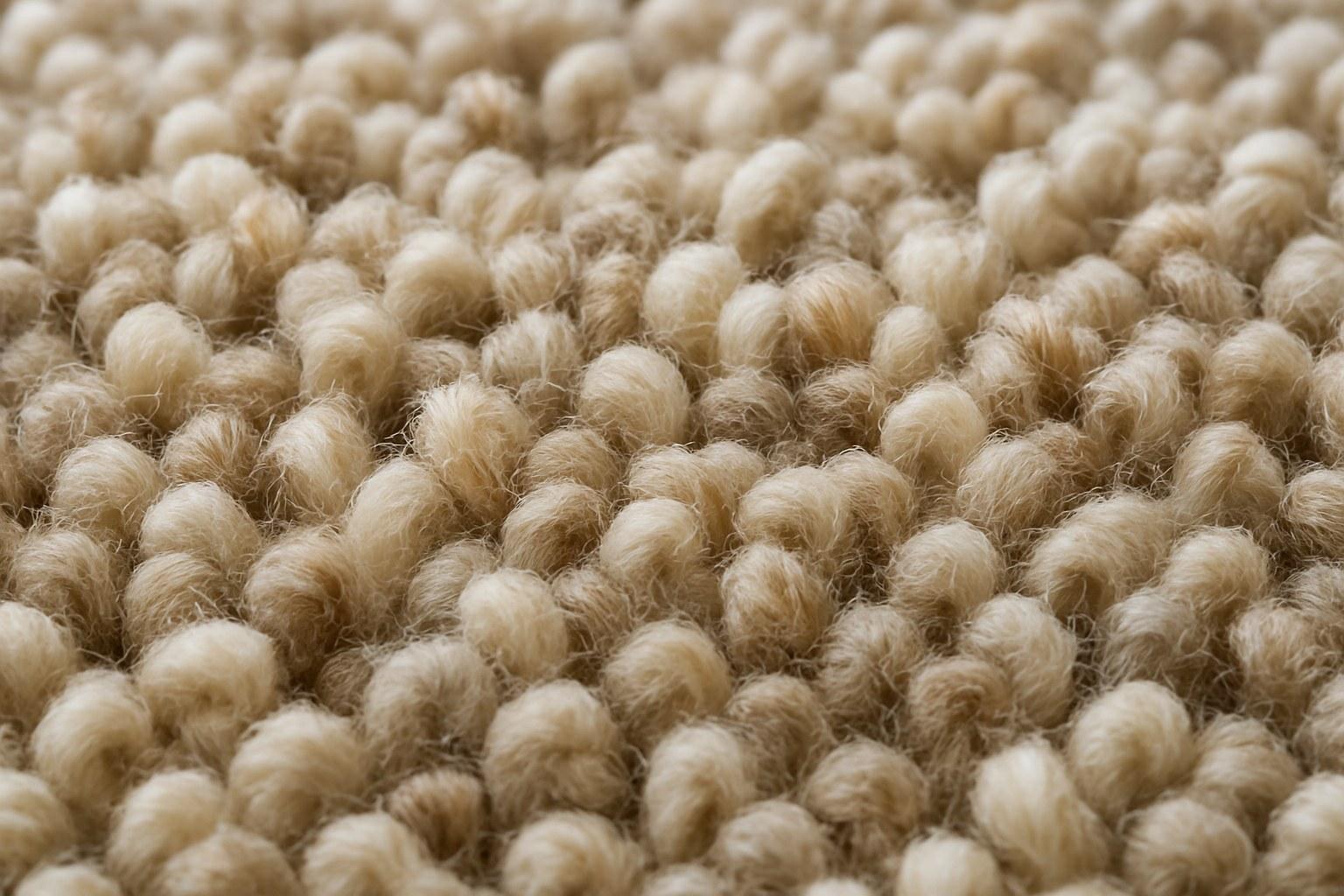
Then there is wool. Wool fibers have a scaly surface that scatters light, so dirt hides better instead of standing out. Wool also chars or self-extinguishes instead of melting, according to the Carpet and Rug Institute's Carpet Primer.
Keep wool in perspective, though. The Carpet and Rug Institute's Carpet Primer puts wool at under 1% of fiber used in modern carpet production. Nearly every plush you'll actually shop is synthetic.
How Much Does Plush Carpet Cost?
Installed plush runs a wide range because fiber, density, and your room all move the number. fixr.com puts installed plush at $1.36 to $13.58 per square foot for materials and labor combined. Labor alone lands around $3 to $11 per square foot per angi.com and ezhomesearch.com, and ezhomesearch.com gives a national average of $6.35 per square foot installed.
Don't forget the pad under it. Rebonded foam padding runs about $0.25 to $0.80 per square foot in materials per homeguide.com, plus roughly $0.50 to $1 per square foot in labor per angi.com.
| Cost component | Per square foot | Source |
|---|---|---|
| Installed (materials + labor) | $1.36-$13.58 | fixr.com |
| Labor only (install) | $3-$11 | angi.com, ezhomesearch.com |
| National average, installed | $6.35 | ezhomesearch.com |
| Padding, rebonded foam (materials) | $0.25-$0.80 | homeguide.com |
| Padding install (labor) | $0.50-$1 | angi.com |
Plush carpet and padding costs per square foot, split into materials and labor.
For whole-room totals instead of per-square-foot math, the Carpet Replacement Cost in 2026 guide runs real numbers by room size.
Best Rooms for Plush Carpet, and Where to Skip It
Plush survives low-to-moderate traffic when density and face weight are high, and it shows wear fast in high traffic no matter what the label promises. The room decides, not the sales tag.
Plush Carpet in Bedrooms
The bedroom is plush's home base. Traffic is light, bare feet are the whole point, and the occasional footprint by the bed does not matter. This is where you can enjoy a deep, soft pile without paying for it in matting.
Plush Carpet in Living Rooms
It depends on density and household. A dense plush is fine in a quiet, formal sitting room. A busy family room with kids and a path to the couch will track, and you will see it within a couple of seasons. I laid a dense bedroom plush in a Dayton house that still looked right years later, while a similar plush in a Columbus family room was tracking by the second winter. Same product, different room.
Plush Carpet in Basements
Check for moisture before anything else. A basement slab can wick damp up through the pad and backing. If the room tests dry, lean toward a synthetic fiber over wool, since synthetics handle the odd bit of moisture better.
Is Plush Carpet Good for Stairs?
Skip plush on stairs. A dense low pile wears far better on the nosing, the front edge of each step where feet land hardest. Plush crushes right there and shows a worn strip fast. If your room rules plush out, the traffic-matched best-carpet picks point you to what actually fits.
Where each room lands for plush carpet, from ideal to skip.
Plush vs. Berber, Textured, and Low Pile
Against textured cut pile, plush loses on versatility. Textured has twisted fibers that hide footprints, which makes it the safer whole-home pick when traffic varies room to room.
Against berber, it comes down to the room. Berber is a looped pile that hides traffic well and suits basements and stairs. The catch is that pets can snag those loops with a claw.
Frieze is another cut pile worth knowing, especially since it gets marketed as the flattening-resistant option. The strands are twisted so tight they kink and curl instead of lying flat, and that kink is what keeps footprints and vacuum lines from showing the way they do on smooth plush. The tradeoff is looks: frieze reads shaggier and more casual, while plush keeps the smooth, velvety face. If flattening resistance matters more to you than a formal look, frieze is the twist-driven alternative to reach for before stepping down to berber or low pile.
| Type | Surface | Hides footprints? | Best for |
|---|---|---|---|
| Plush (Saxony/velvet) | Cut pile, smooth and even | No, shows tracks | Bedrooms, formal low-traffic rooms |
| Textured | Cut pile, twisted fibers | Yes | Family rooms, whole home |
| Frieze | Cut pile, long, tightly twisted strands | Yes | High-traffic, casual rooms; twist resists flattening |
| Berber | Looped pile | Yes | Basements, stairs, high traffic (snag risk with pets) |
| Low pile | Short, dense | Yes | High traffic, stairs, hallways |
How plush compares to textured, frieze, berber, and low-pile carpet by surface and best use.
Plush vs. Low Pile Carpet
Low pile wears better in high traffic because the short, dense surface has less fiber to crush. Plush feels softer underfoot because there is more fiber to sink into. Neither is "better" on its own; the choice follows the room.
What "Ultra Plush" Really Means
Ultra plush is the deepest, densest cut pile a maker offers. It is the softest to stand on and the least forgiving of heavy traffic. Put it in a bedroom, not a hallway.