
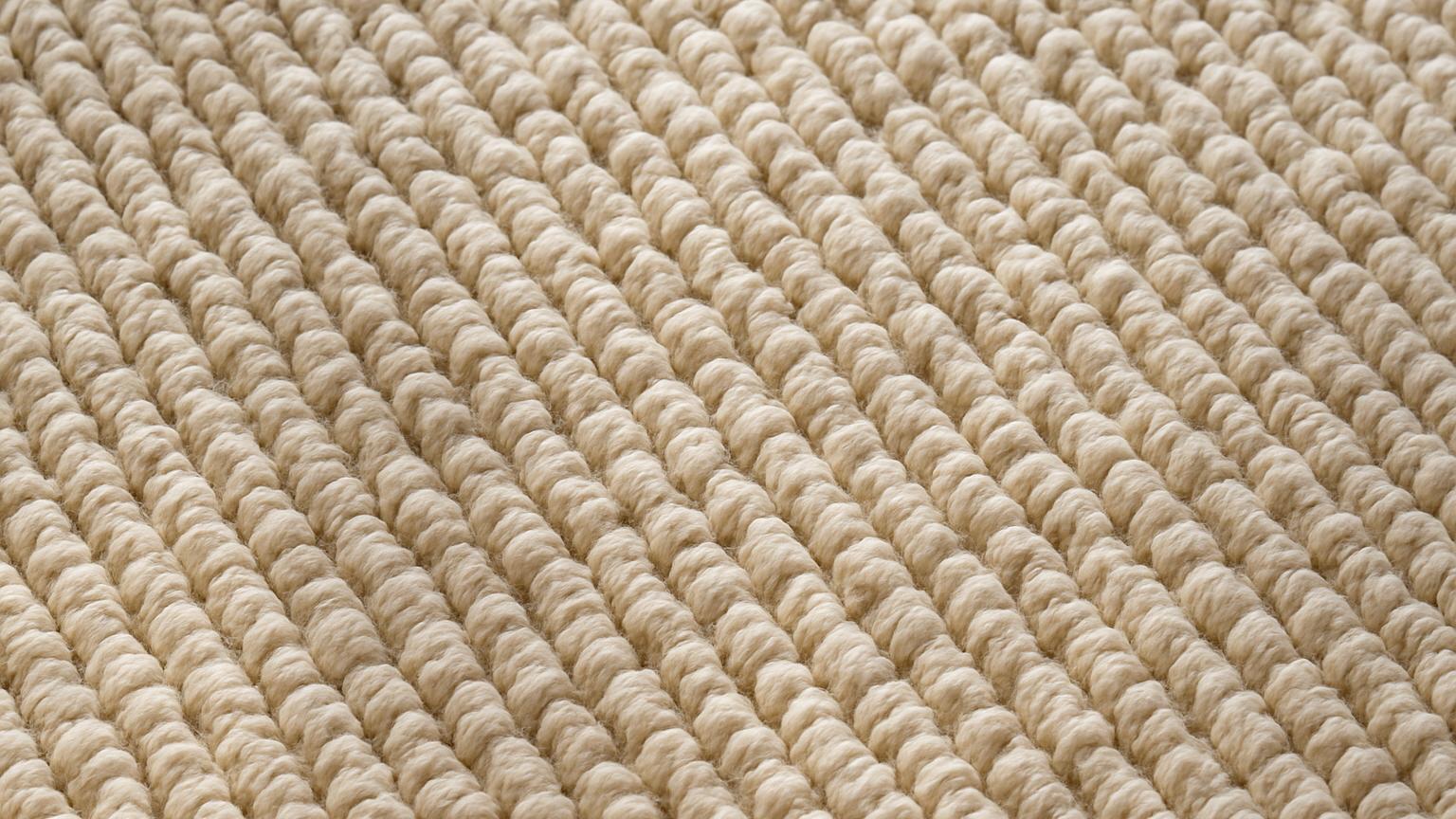
Berber carpet is a looped construction, not a fiber or a color, and that one build decides how it wears, what it costs, and which room it belongs in. Two Berber samples can look nearly identical on the shelf and behave nothing alike once they're down. The fiber hiding under the loop is the whole difference.
Key takeaways
- Berber is a construction, not a fiber or color: rows of small uncut loops sewn into the backing. Those tight loops are why it resists wear and hides dirt, and also why a claw can catch one and pull a run.
- Fiber changes everything on top of the loop. According to carpetprofessor.com, olefin Berber runs about $15-30 per square yard in materials and crushes in traffic, nylon $35-60 is the high-traffic pick, and wool reaches about $100.
- Installed Berber runs roughly $6-30 per square yard, materials and labor together, per fixr.com, with labor around $6-10 per square yard (carpetprofessor.com) and rebonded foam padding $2.25-7.20 (homeguide.com).
- Best for family rooms, hallways, home offices, basements, and stairs; skip it in formal living and dining rooms where it reads too casual.
- With clawed pets, avoid high, loose loops and delicate wool. A low, tight loop or a cut pile snags far less.
What Berber Carpet Actually Is: The Loop Decides Everything
Berber is a way of building carpet, not a type of yarn. The yarn gets sewn into the backing as rows of small loops, and those loops are left uncut. That's what makes Berber low to the floor and tough underfoot.
Compare it to cut-pile carpet, like plush, Saxony, or frieze. In those, the tops of the loops are sliced open so the yarn stands up soft and separate, like blades of grass. In Berber, both ends of every loop stay anchored in the backing. Nothing stands up loose.
What makes Berber carpet special?
That anchored loop is the whole story. Because the yarn is tied down at both ends, it resists matting and crushing and hides tracked-in dirt better than a soft cut pile. A vacuum can't hurt it.
The flip side comes from the same build. The yarn runs continuous through the loops, so if a sharp claw or a chair leg catches one loop and pulls, it can drag a whole run across the floor like a pulled thread in a sweater.
Berber vs. regular carpet: what's actually different
"Regular" carpet in most homes is cut pile, soft and plush to walk on. Berber trades some of that softness for a dense, low surface that shrugs off foot traffic. Density matters more than how it feels in the showroom. In the work I've done, how tightly the fibers are packed predicts wear better than how plush a sample feels in your hand.
Berber carpet colors and the fleck that hides dirt
Classic Berber comes in neutral tones, cream, tan, gray, with little specks of darker color woven in. Those flecks break up your eye so crumbs, pet hair, and everyday grime don't jump out between vacuums. It's one reason Berber reads as a practical, casual floor rather than a formal one.
Berber also isn't one single look. A level loop keeps every loop the same height for a smooth, even surface. A multi-level or textured loop mixes loop heights to create a subtle pattern. So think of Berber as a family of looks, not one carpet.
Olefin, Nylon, or Wool: Same Loop, Different Floor
The loop is identical across these three. The fiber it's made from is what changes the price, the feel, how it handles stains, and how long it survives traffic.
Olefin, also called polypropylene, is the cheapest. It resists moisture and stains, which is why it shows up in basements and budget rooms. The catch is that it crushes under traffic and grabs onto oily dirt. According to carpetprofessor.com, olefin runs about $15-30 per square yard in materials.
Nylon springs back best after a foot lifts off it, so it's the pick for high traffic. carpetprofessor.com puts nylon at around $35-60 per square yard. When a sample tag says "nylon Berber," this is what you're paying for. Outside of Berber, nylon's price and lifespan both trace back to the same two numbers, which the nylon carpet pricing guide breaks down in detail.
Wool is the softest and the natural one, and it's what stores mean by "luxury Berber." It's durable and premium, but it's water-sensitive and the priciest by a wide margin, roughly $100 per square yard per carpetprofessor.com. I warn clients the same way I do with wool and jute rugs: natural fibers react badly to soaking, so wool wants a drier room and gentle care.
Textured and multi-level loop Berber
Textured Berber uses loops of different heights to form a pattern. It sits between a flat level loop and a soft cut pile for feel, and it hides footprints and vacuum tracks well. You'll see it in olefin and nylon more than in wool.
| Fiber | Materials per sq yd | Feel | How it wears | Best for |
|---|---|---|---|---|
| Olefin (polypropylene) | $15-30 | Slightly stiff | Resists moisture and stains but crushes in traffic and holds oily dirt | Basements, budget rooms |
| Nylon | $35-60 | Resilient, springs back | Most wear-resistant; best for high traffic and stairs | Hallways, family rooms, stairs |
| Wool | $100 | Softest, natural | Durable and premium but water-sensitive and expensive | Low-traffic, upscale casual rooms |
Source: carpetprofessor.com's pricing
Berber material cost, feel, and wear by fiber.
What Berber Carpet Costs: Materials, Labor, and Padding
Installed Berber, adding carpet and labor together, runs about $6-30 per square yard, according to fixr.com. Fixr.com prices the carpet alone at $3-24 per square yard, and carpetprofessor.com puts the install labor at roughly $6-10 per square yard.
Padding is a separate line item, not baked into the carpet price. Rebonded foam, the common choice, runs $2.25-7.20 per square yard per homeguide.com. Skipping good padding is false economy; it's what the carpet rides on.
Berber carpet cost per square foot
A lot of folks shop in square feet, so here's the same money broken both ways.
| Line item | Per sq yd | Per sq ft | Source |
|---|---|---|---|
| Berber materials only | $3-24 | about $0.33-2.67 | fixr.com |
| Installation labor | $6-10 | about $0.67-1.11 | carpetprofessor.com |
| Rebonded foam padding | $2.25-7.20 | about $0.25-0.80 | homeguide.com |
| Installed total (materials + labor) | $6-30 | about $0.67-3.33 | fixr.com |
Berber cost broken out by line item, per square yard and per square foot.
Two things move you around inside those ranges. Basements and stairs cost more than an open bedroom because they bring more cuts, more seams, and more tack strip work. Tack strip, sometimes called tackless strip, is the thin wood strip with angled pins that grips the carpet edge so it stays stretched tight. On stairs, every one of those strips has to run right along the nosing, the front edge of the stair tread, the part your foot actually lands on. So a flat quote priced off one big room will come in low once the stairs get added up.
Where you buy shifts the tier too. A big-box store like Lowe's mostly stocks budget olefin Berber, while nylon and wool usually come through a flooring specialist who carries the heavier grades.
For the room-by-room math on a whole-house job, the carpet replacement cost guide runs real numbers by room size, and a breakdown of carpet padding cost covers which cushion grade is worth the upgrade.
Best Rooms for Berber, and Where I'd Skip It
Berber earns its keep in casual, high-traffic rooms. Family and rec rooms, hallways, home offices, and basements all play to its strengths, hiding soil and resisting the matting that flattens a plush carpet. A casual bedroom is fine too.
Stairs are a good fit with one condition. A low, tight loop wears well right on the nosing where every foot lands hardest, which is exactly where a loose high loop or a soft pile wears out first. The catch is the install: stair carpet has to be stretched and fastened right or it loosens at the nose. I'd hire that out rather than DIY it, and the carpeted stairs guide walks through what a proper stair job involves.
Basements lean toward olefin Berber because it tolerates the odd damp spell. But before anything goes down, check the slab for moisture. For most stretched or floating floors, how long they endure is determined entirely by the prep work underneath. Warranty terms differ by manufacturer, but many make a flat, dry subfloor a condition of coverage, check the specific product's warranty before you install, not after. I've seen a beautiful grade go in over a slab nobody tested, and the moisture had the final say.
Can Berber carpet work in formal rooms?
I'd skip Berber in a formal living or dining room. That flecked, low-loop look reads casual by design, and in a dressed-up space it fights the room instead of finishing it. Those rooms want a plusher cut pile or a bound wool rug. For a wider room-by-room comparison of carpet types, cushions, and installation options, see the step-by-step carpet selection guide.
Berber With Pets and Kids: The Snag Problem
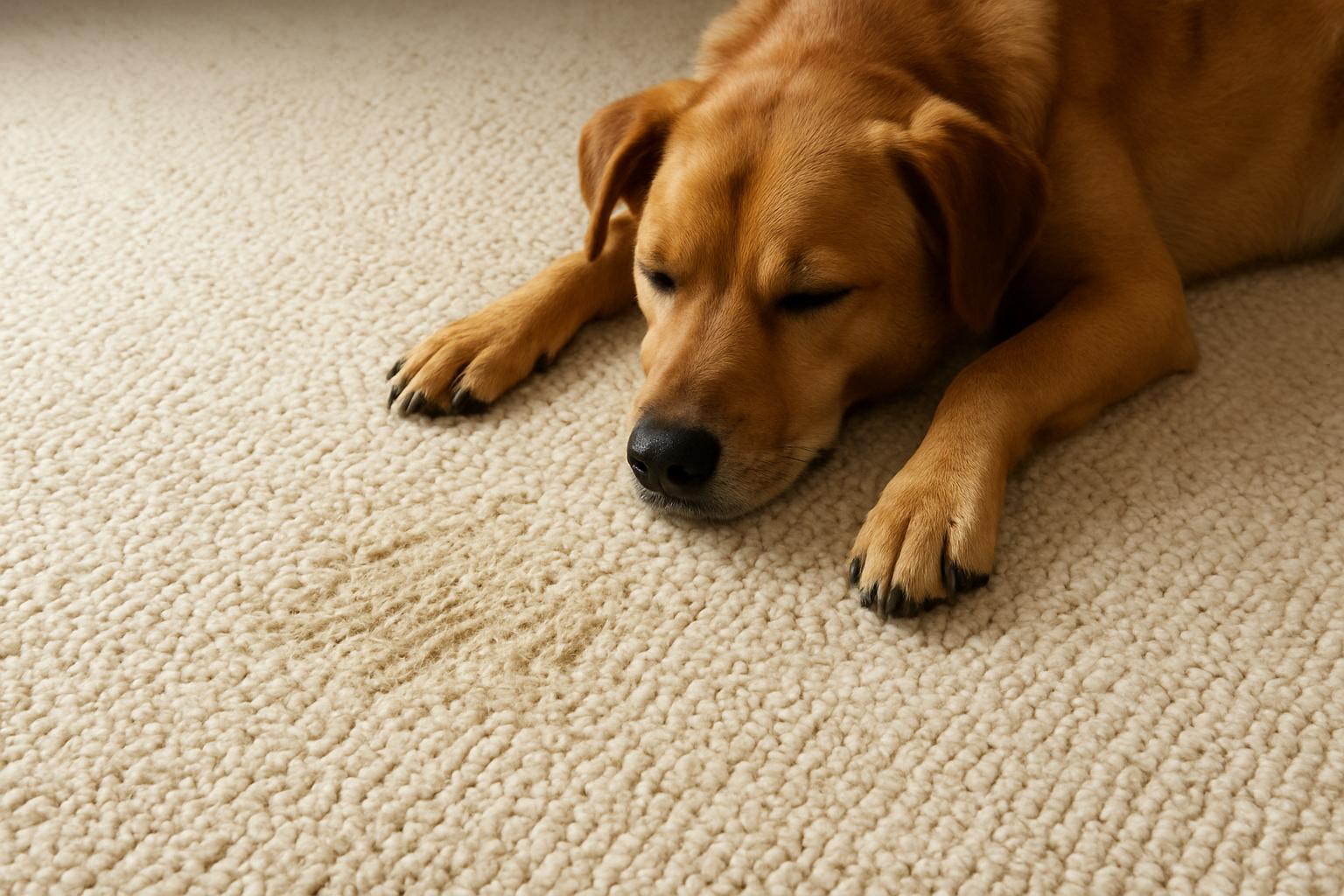
The same anchored loop a vacuum can't damage is exactly what a dog's claw or a cat catches. Because the yarn runs continuous, one snagged loop can pull into a run that travels across the floor.
Loop height and tightness is the lever you control. Low, tight loops snag far less than tall, loose ones, and multi-level textured loops land in between. If pets are in the picture, you want the tightest, lowest loop you can find, or a cut pile instead.
With kids and spills, olefin resists stains but holds oily food soil, so blot a spill, never rub it in. A stain-treated nylon handles accidents better and bounces back from traffic at the same time.
What carpet to avoid with dogs?
Avoid high, loose-loop Berber and delicate wool with clawed dogs. The loose loop is the one that snags and runs, and wool's water sensitivity makes accidents harder to deal with. A low tight loop or a solution-dyed cut pile holds up far better. If the dog or cat is the deciding factor in the whole choice, the guide to the best carpet for pets sorts fibers and constructions by what actually survives claws and accidents.
What Are Berber Carpet's Real Disadvantages?
The honest downsides come from the build and the cheaper fibers. The snag-and-run risk is the big one, and a pulled loop is hard to patch invisibly. Olefin crushes in traffic and grabs oily dirt. And the flecked casual look can feel dated in a space that wants to read formal.
A few common myths are worth clearing up. Berber isn't automatically rough underfoot; that comes down to the fiber and the loop height, not the word "Berber." It isn't basement-only; nylon Berber belongs in main-floor hallways. And it isn't impossible to clean, though the tight loops hold dirt deep and want real extraction, not just a surface pass. A rented hot-water extractor pulls that trapped soil far better than a household vacuum can, and a rundown of carpet cleaner rental options covers what those machines cost and pull.
One practical move: keep your offcuts. A run or a burn in Berber is far easier to fix cleanly when you have a matching scrap to patch from than when you're trying to source the same dye lot years later.