
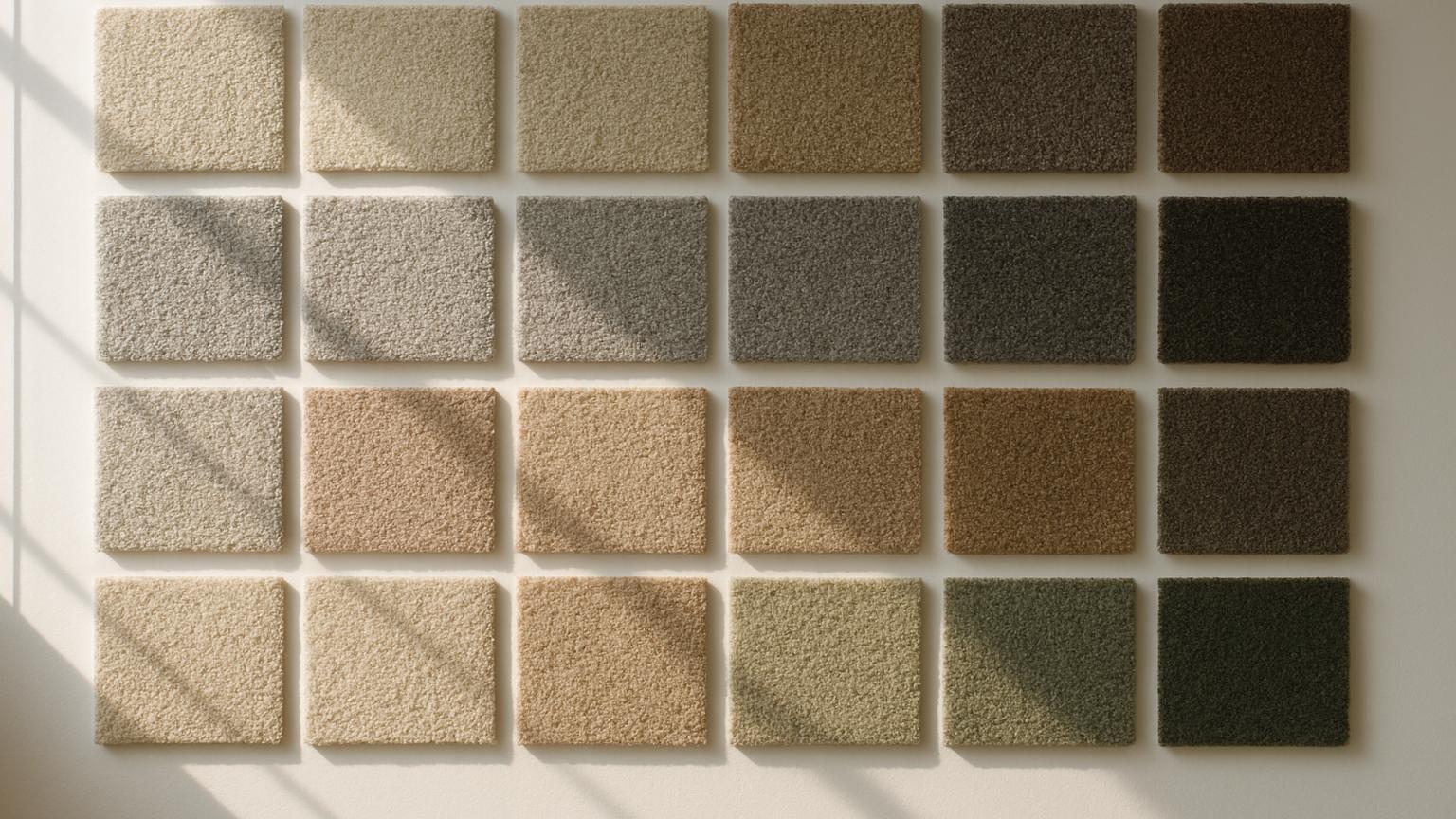
Of the pile types of carpet you'll see on any sample wall, loop pile and a tightly twisted frieze cut pile take the most abuse, while plush and shag are the ones that come back matted. The names look endless, but every one traces back to just two builds. Pick the wrong one for the room and you pay for it in a few years.
Below are the seven styles you'll actually meet, what each one survives at home, and the half-inch rule that quietly rules some of them out. Think of this breakdown as the detailed companion to our best carpet guide for every room, which ranks top overall picks by budget and room.
Key takeaways
- Loop pile (Berber) and tightly twisted frieze cut pile take the most abuse; plush and shag are the ones that come back matted or crushed.
- Plush is a dense cut pile of medium height, not a true low pile - it belongs in formal, low-traffic rooms, not busy hallways.
- For homes with cats, skip loop pile; claws snag and pull the loops. A dense, low cut pile holds up far better.
- The Carpet and Rug Institute caps pile at a half inch for accessible and commercial routes, and says construction and density, not fiber, mostly drive how long carpet lasts.
- Match pile to the room: low dense pile on stairs and halls, softer medium pile in bedrooms.
Loop vs Cut: The Two Families Behind Every Pile Name
Every name on the sample wall is one of two things: loop pile, where the yarn is left as uncut loops, or cut pile, where those loops are sheared so each yarn stands up as an open tuft. Everything else is a variation on those two.
That single split tells you most of how a carpet will behave once it's down. Loop is tough, hides dirt, and vacuums easily, but it can snag. Cut is softer and won't run on you, but it shows every footprint and vacuum stripe.
The seven styles ahead, level loop and Berber, multi-level loop, plush and velvet, Saxony, frieze, cut-and-loop, and shag, are all just these two families dressed up different ways.
1. Level Loop and Berber
Short, dense, uncut loops all sitting at one height. This is the workhorse of the loop family. It shrugs off foot traffic, hides soil, and is simple to vacuum, which is exactly why it ends up in basements, hallways, and on stairs.
Berber is the chunky, flecked version most people picture when they hear "loop." Those little specks of color do real work, hiding crumbs and tracked-in dirt between cleanings.
The weakness is snagging. One pulled loop can run clear across the floor. I replaced a whole section in a Columbus family room after a dog's claw caught a single loop and it unzipped like a bad seam. If you've got pets with claws, that's the risk you're signing up for. Weighing that risk against other flooring traits is exactly what my best carpet for pets guide breaks down style by style.
2. Multi-Level Loop
Loops set at two or three different heights, which creates a subtle sculpted pattern across the surface. That texture hides dirt and foot tracks even better than flat level loop does, so it's a smart choice when you want a loop that doesn't look plain.
It still snags like any loop, though. Keep it away from cats and sharp heels. It's a solid pick for family rooms and home offices that see moderate traffic, not a mudroom.
3. Plush and Velvet (and the Low-Pile Mix-Up)
Plush, also sold as velvet, is a dense, even cut pile of medium height with a smooth, formal surface. It is not a true low pile, no matter what some buying guides tell you.
This trips people up because you'll see one guide file plush under "low pile" while the next calls it a lush, deep cut pile. The accurate read is in between: a medium-height cut pile that looks rich but shows every footprint, vacuum line, and furniture dent.
Because it marks that easily, plush earns its keep in formal sitting rooms and adult bedrooms. Put it in a busy hallway or on stairs and you'll see the traffic lane form within a season. When a spill does land on plush, treating it fast with the right best carpet stain remover keeps the mark from setting in.
4. Saxony
A dense cut pile with slightly longer, twisted yarns that stand upright. It's soft underfoot and dressy, a close cousin to plush and often hard to tell apart on the wall.
It behaves like plush too, which means it mats down and shows traffic lanes over time. Save it for bedrooms and low-traffic living rooms, not the spots that take the most abuse.
5. Frieze
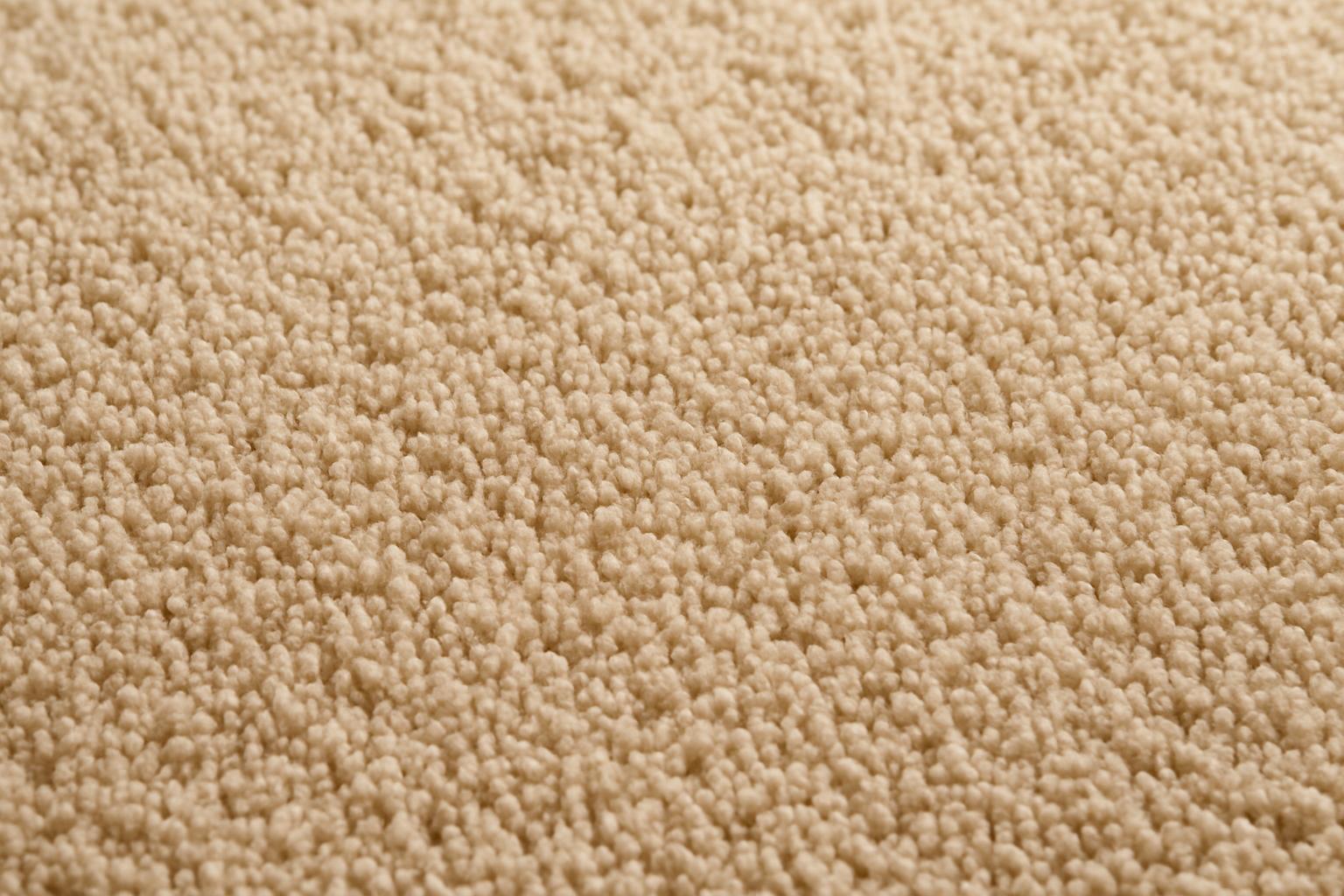
Tightly twisted cut yarns that curl and lie in different directions instead of standing straight up. That curl is the whole trick: it scatters light and hides footprints and dirt, which makes frieze a tough cut pile for a busy house, pets, and kids.
The look is casual, almost textured. The downside is that deep crumbs can settle down below the twist, so it needs a thorough vacuum to get clean. Even so, frieze is my default cut-pile pick for a living room that takes a beating.
If a room is the one that sees the hardest use in your house, read the picks in my high-traffic carpet guide before you commit, since fiber and density matter as much as the twist.
6. Cut-and-Loop
A blend of cut and looped yarns in the same carpet, arranged into sculpted patterns, swirls, or pin-dots. The pattern does a good job hiding soil and foot tracks, which is why it's popular for rooms where you want some style without a plain field.
Two cautions. The looped sections still snag, so the cat warning holds. And a strong pattern can look dated a few years on, the way a bold wallpaper does. It's a good fit for family rooms and halls at moderate traffic.
7. Shag
The longest, highest cut pile there is, deep and soft and built purely for comfort. It feels great under bare feet, and that's about the whole case for it.
The trouble is everything else. It traps crumbs and pet hair, flattens under traffic, and is a genuine chore to clean. Keep it in a low-traffic bedroom or a cozy reading nook and nowhere a lot of feet pass.
Pile Height: Low, Medium, High, and the Half-Inch Rule
Pile height sorts into three bands: low, medium, and high. Lower pile is more durable and easier to clean; higher pile feels softer but needs more upkeep and flattens sooner. That trade-off holds across every style above. If you want help turning that trade-off into an actual pick for each room in your house, my step-by-step carpet selection guide walks through it room by room.
There's one hard number worth knowing. The Carpet and Rug Institute caps pile at a half inch for accessible and commercial walkways, the kind of route covered by the Americans with Disabilities Act, the federal law on accessibility. That half inch is a useful ceiling even in a plain house, especially anywhere a wheelchair, walker, or stroller has to roll.
The table below lines up each pile band with feel, best use, and the named styles that live in it:
| Pile band | Feel | Best use | Example styles |
|---|---|---|---|
| Low pile | Firm, short | High traffic, stairs, pets | Level loop, Berber |
| Medium pile | Soft but supported | Living rooms, bedrooms | Saxony, plush, frieze |
| High pile | Deep, cushioned | Low-traffic, formal, cozy nooks | Shag |
| Accessibility limit | n/a | Accessible and commercial routes | Half-inch maximum pile height |
Source: the Carpet and Rug Institute's half-inch ADA pile limit
Pile height bands matched to feel, best room use, and example styles, including the half-inch accessibility ceiling.
On stairs, where feet land hardest on the nosing, a low, dense pile wears far better than anything tall. There's more on that in my guide to picking and installing carpet for stairs.
What Really Drives Durability: Construction, Density, and Fiber
How the carpet is built and how tightly the yarn is packed matter more than which fiber it's made of. The Carpet and Rug Institute makes that point, and from my experience with carpet removal, density has predicted wear better than pile height.
Check two things on the maker's spec sheet: face weight and density. Densely packed, tightly twisted yarn resists crushing, which is why a dense frieze outlasts a loose plush even though plush looks richer on the wall. Nearly all US residential carpet is tufted, where yarn is punched through a backing. Woven builds like Axminster, Wilton, and flat weave exist but cost more and show up mostly in high-end or commercial jobs.
Fiber in plain terms: nylon is the toughest and takes a stain treatment like Stainmaster; polyester feels soft and resists spill stains but mats faster; triexta, sold as Mohawk's SmartStrand, adds spring to a polyester-type yarn; olefin is cheap but crushes under traffic; wool is premium and wants gentle, label-matched cleaning.
Pile style barely moves your install price. Labor to lay a level loop runs about the same as labor to lay a Saxony, because the installer is stretching and seaming either way, and on most carpet jobs labor ends up the smaller slice of the total bill. What swings the total the most is the carpet itself: fiber type and density, plus the pad underneath.
Carpet install also splits cleanly into DIY versus hire. A flat, square room with no seams is doable yourself with a rented knee-kicker and stretcher if you're patient and careful with the seams. Stairs, pattern-matched styles like cut-and-loop, and any room that needs a seam are worth paying a pro for, since a bad seam or a loose stretch shows up fast on carpet. For real materials-versus-labor numbers by the square foot, see the carpet replacement cost breakdown, which breaks the two out instead of quoting one flat figure.
One last match-up before the questions: if you have cats, skip every loop style on this list. Claws catch loops and pull them, and a dense low cut pile holds up far better, which I lay out in the best carpet for cats guide if that's your situation.
Which Type of Carpet Is Most Cat-Proof?
A dense, low cut pile, a tightly twisted frieze or a low-pile Saxony, is the most cat-proof carpet you can buy, while every loop style is the one to skip. Cat claws catch on loops and can pull a run clear across the floor the same way that dog's claw did in the Columbus job I mentioned above; a cut pile won't run that way even when it's clawed.
That means level loop, Berber, multi-level loop, and cut-and-loop are all poor matches for a house with cats, since each one leaves looped yarn exposed somewhere on the surface. Even cut-and-loop's sculpted pattern doesn't save it, the looped sections scattered through the design snag just like a plain loop carpet.
For the cut pile you do choose, look for a tight twist and a dense face weight. A loose plush or Saxony crushes faster under claws and paws, even though it still won't run like a loop. Nylon is the toughest fiber for cat households, since it stands up to clawing better and takes a stain treatment like Stainmaster. Keep the pile low rather than high, it's easier to vacuum fur and litter out of, and there's less height for claws to catch.