
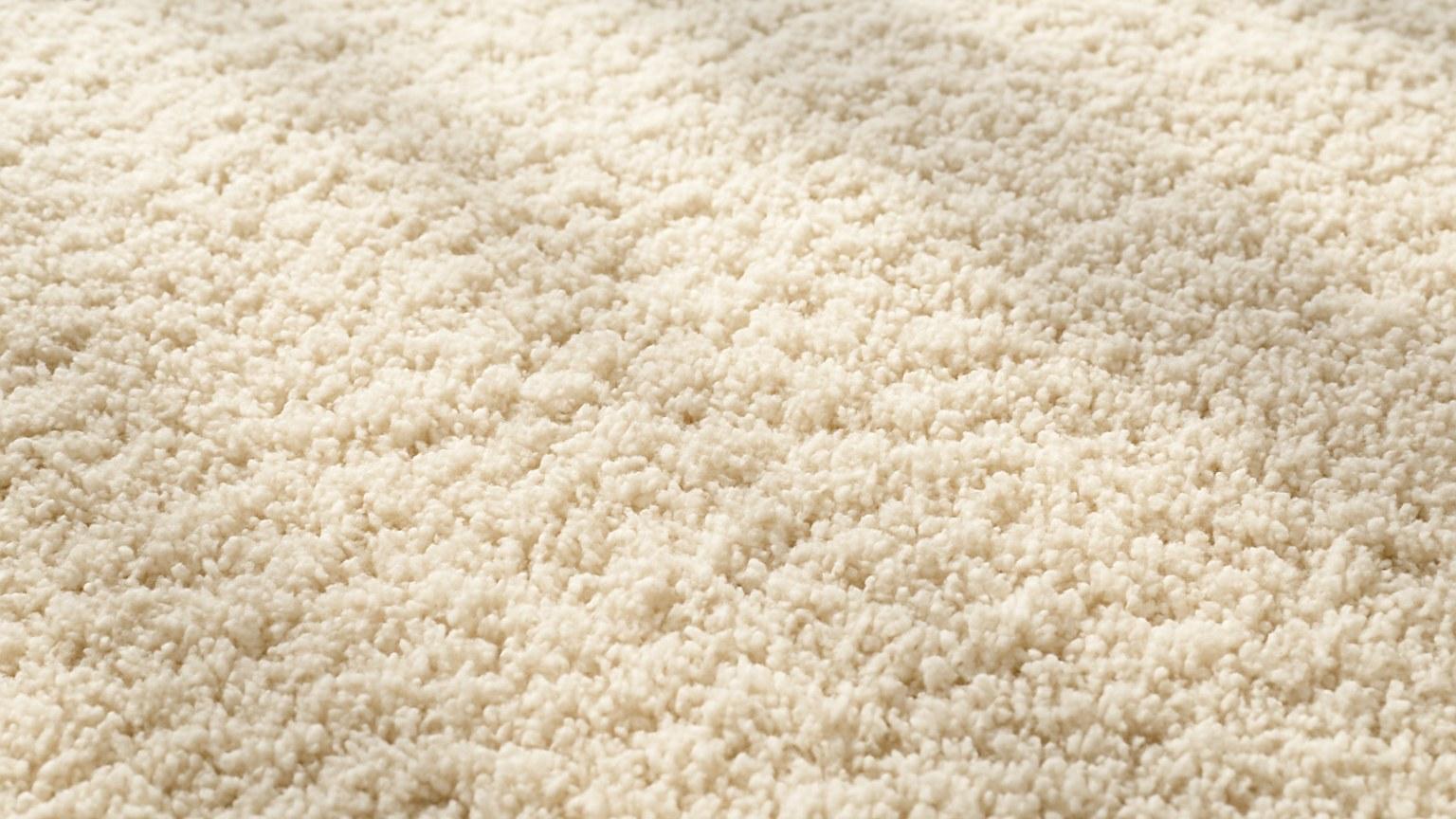
Cut pile carpet is yarn with the loop tops sheared off so the tufts stand straight up, and that soft feel is why it lands in most bedrooms and living rooms. The trouble is that softness is the selling point, not the thing that makes the floor last, so people buy the plushest sample on the wall and watch it flatten in the walk lane. Below I'll match each cut pile style to the room it actually suits, give you real per-square-yard numbers, and sort out the cut pile versus loop question for good.
Key takeaways
- Cut pile is yarn with the loop tops sheared off so tufts stand up soft; loop pile leaves the loops whole and tougher for high-traffic halls and stairs.
- Durability comes from density, twist, and face weight, not from how soft or tall the carpet feels; a short dense textured cut pile outlasts a thick plush one.
- Materials run about $10-$25 per square yard for polyester and $20-$45 for nylon per carpetreviewed.com, with premium wool at $35-$45 per square yard per ktflooring.com.
- Installed cut pile runs $18-$72 per square yard per homeguide.com and $32-$100 per square yard per bobvila.com, before padding.
- For pets, skip big loose loops that claws snag; a cut pile or a tight level loop in solution-dyed nylon or olefin is the safer call.
What Cut Pile Carpet Is (and How It's Made)
Cut pile is carpet where the yarn loops are cut off at the top, so the tuft ends stand up loose and soft. That open, upright surface is what gives you the warm, plush feel underfoot.
Here's how it comes together. A tufting machine punches rows of yarn loops down through a backing material, like a sewing machine firing thousands of needles. On a cut pile, a blade then shears the tops of those loops so each one becomes two standing tufts. Leave the loops whole and uncut, and you have loop pile instead.
That single step, cut or not cut, is the fork every carpet style branches off of. Plush, Saxony, frieze, Berber, level loop, they all trace back to this one choice.
Keep this in mind as we go: the cut gives you softness, but softness isn't what keeps a floor looking new.
The Four Cut Pile Styles: Plush, Saxony, Frieze, and Textured
All four start from cut yarn. What changes is how tightly that yarn is twisted and how long it stands, and that changes how the floor wears.
Plush and velvet give you a smooth, even surface that looks formal. The catch is that same smoothness shows every footprint, every vacuum line, and every spot where furniture sat. Keep it in low-traffic rooms where it won't get walked to death.
Saxony uses slightly longer twisted yarn. It reads elegant on the sample, but it mats down in the walk lanes faster than most people expect, especially once a few seasons go by.
Frieze is the highest-twist cut pile. The yarn is turned so tight the tufts curl and lean in different directions, and that chaos hides footprints, tracks, and crushing. It's the toughest of the cut pile family. When someone asks about "twist pile," frieze is usually what they mean.
Textured sits in the middle with a medium twist. It hides marks well, suits almost any room, and costs less than a dense frieze. If you want a safe default for a living room or hallway, textured is it. There's more to the pile family than these four, including loop and cut-and-loop builds, but for cut pile these are the ones you'll see on the wall.
Cut Pile vs Loop Pile: Which Wins Where
Loop pile wins on durability and high traffic. Cut pile wins on comfort and looks. There's no universal winner here, only the right match for the room.
| Attribute | Cut Pile | Loop Pile |
|---|---|---|
| Surface | Cut tufts standing up, soft | Whole loops, firmer |
| Feel underfoot | Plush, warm | Dense, a touch stiff |
| Matting / crushing | More prone, worst in plush/Saxony | Resists crushing well |
| Snag risk | None, no loops to catch | Big loose loops can snag claws |
| Hides dirt / footprints | Frieze and textured hide; plush shows | Texture hides soil well |
| Stain resistance | Set by fiber and treatment, not the cut | Set by fiber and treatment, not the loop |
| Best traffic | Low to medium (frieze handles more) | Medium to high, halls, stairs |
How cut pile and loop pile compare across construction, feel, wear, and traffic.
One point trips people up, so let me settle it. You'll read that cut pile is more stain resistant, and you'll read that loop hides dirt better. Both are half right. Loop's bumpy texture does a better job hiding soil between cleanings, but real stain resistance comes from the fiber and the factory treatment on it, not from whether the loop got cut. A solution-dyed nylon loop and a solution-dyed nylon cut pile resist stains about the same.
So the move is simple. Pick the construction for the traffic and the feel you want, then pick the fiber for how it handles stains.
What Holds Up: Face Weight, Density, and Twist
Durability comes from density, twist, and face weight. It doesn't come from pile height or how soft the carpet feels when you press your hand into the showroom sample. That soft sample is a common way people talk themselves into a floor that won't last.
Three numbers tell the real story, and the maker publishes all three for every style.
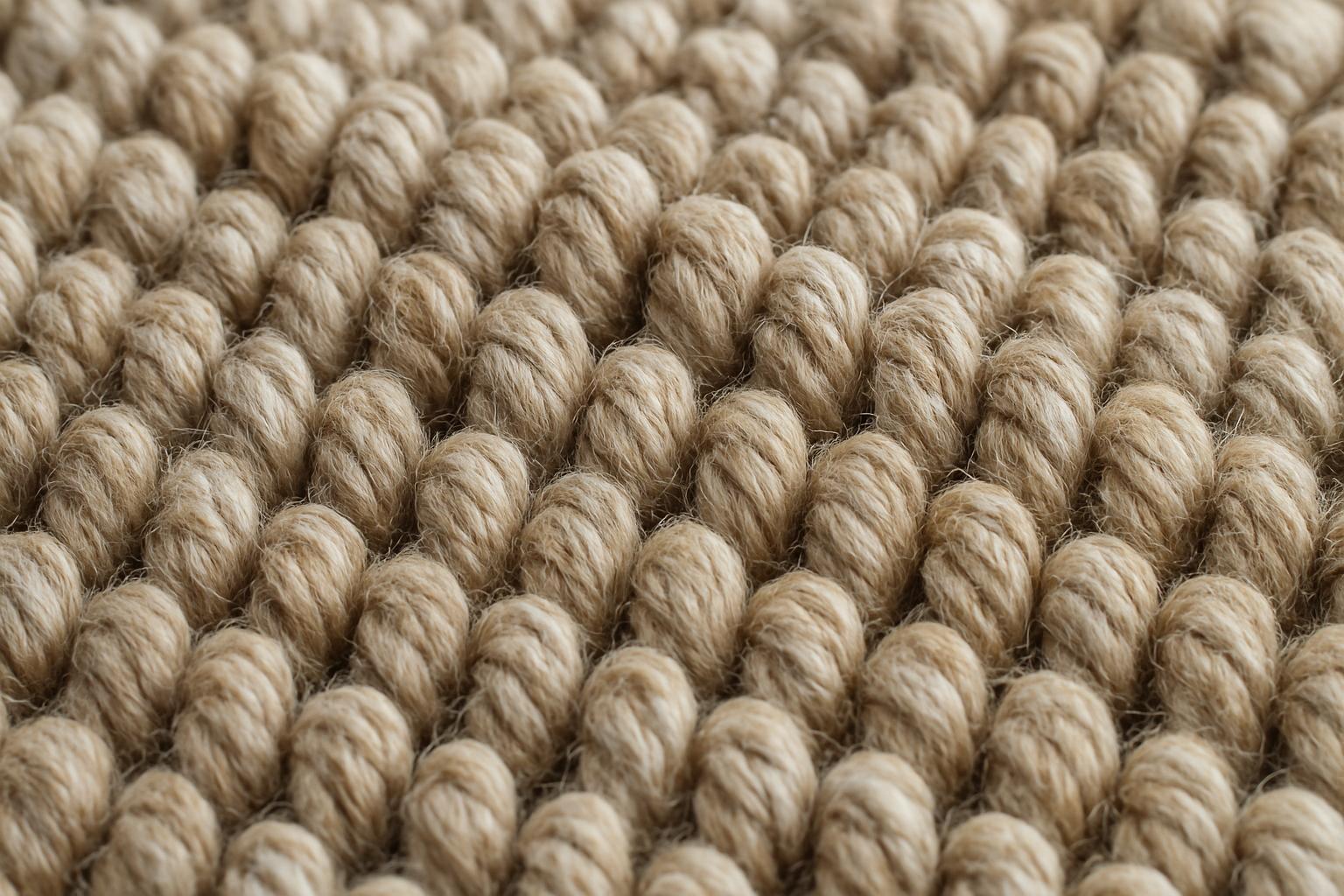
Face weight is the ounces of yarn packed into a square yard, so more means more fiber under your feet. Density is how tightly the tufts are stuffed together, and of the three it's the best single predictor of wear. Twist is how many times the yarn is turned before it's set, and tighter twist resists matting and footprints. A high-twist frieze will outlast a loose Saxony of the same fiber because of these numbers.
That's also why a shorter, denser cut pile usually beats a tall plush. Low pile hides its density; tall pile hides its matting until it's too late.
I saw this play out in a living room in Dayton a while back. The homeowner went with a thick Saxony because it felt luxurious under bare feet. Inside a couple of seasons the main walk lane between the couch and the hall had flattened to a shiny path, while a dense textured I'd put in the bedroom down the hall still looked new. Same house, same vacuum, different construction.
If your room takes a real beating, read the three numbers first and lean dense. For the builds made to handle it, see the carpet styles that survive high traffic.
What Cut Pile Costs: Materials vs. Labor
Cut pile price tracks the fiber first, then the density. Expect roughly $10-$25 per square yard for polyester and $20-$45 per square yard for nylon on materials, according to carpetreviewed.com, with premium wool running about $35-$45 per square yard per ktflooring.com.
| Fiber (materials only) | Cost per square yard |
|---|---|
| Polyester | $10-$25 |
| Nylon | $20-$45 |
| Premium wool | $35-$45 |
Materials-only cut pile costs by fiber.
Those are materials alone. Add labor and the installed numbers climb to about $18-$72 per square yard per homeguide.com, and $32-$100 per square yard per bobvila.com. The spread is wide because it folds in fiber, density, padding, and how tricky the room is to lay. The gap between those two installed ranges is mostly the fiber and density tier you land on.
A few things push the labor end higher. Stairs cost more per step than open floor because every tread and riser is cut and wrapped by hand. Basements and rooms with lots of closets and transitions eat labor the same way. An open bedroom is the cheap case; a staircase is not.
Hiring a pro is the right call for most cut pile jobs. Stretching the carpet tight and hiding seams takes a power stretcher and a knee kicker, tools most homeowners don't own, and a loose stretch or a visible seam shows up fast on a plush or Saxony pile. Stairs are the one job I wouldn't hand to a first-timer, since every tread gets hand-cut and tucked around the nosing. A small room laid with carpet tile or a remnant is about the only cut pile job that's realistic to DIY.
Two costs people forget: padding under the carpet and, down the road, replacement. Budget for the pad separately since it's priced on its own, and if you're planning a full job, the carpet replacement cost breakdown lays out the per-square-foot and per-room numbers.
Cut Pile and Pets: Snagging vs. Matting, Sorted Out
You'll find one guide calling cut pile the safe pet choice and another pushing durable loop. Both can be right, because the real danger isn't loops in general, it's big, loose loops that a claw can hook and pull into a run.
For cats and dogs that scratch, skip Berber-style carpet with large, chunky loops. Either a cut pile, which has nothing to catch, or a tight, low level loop both dodge the snag problem. It's the loose, open loop you're avoiding, not the loop itself.
Accidents and stains are a fiber and pad question more than a pile question. Solution-dyed nylon or olefin resists stains best because the color runs all the way through the fiber, and a moisture-barrier pad keeps liquid from soaking into the subfloor. That matters more than whether the top is cut or looped.
For builds matched to your room and the fiber details, see the best carpet for pets, and if cats are the main worry, the carpet picks made for cats goes deeper on snag resistance.
Where to Use Cut Pile, Room by Room
Match the room's traffic to the build. Low-traffic rooms can take a soft cut pile, while busy zones need a high-twist cut pile or a loop that won't crush. For a full room-by-room walkthrough, the step-by-step carpet guide for every room breaks down installation and padding choices too.
| Room | Traffic | Pets | Pick |
|---|---|---|---|
| Bedroom | Low | Low concern, few accidents | Plush or textured cut pile, comfort first |
| Living room | Low to medium | Claws can snag loose loops | Textured cut pile, or Saxony if formal |
| Family room | Medium to high | Stains and scratches add up fast | High-twist frieze or level loop |
| Hallway | High | Loose loops are a claw hazard | Level loop or dense frieze |
| Stairs | High | Claws catch on tread edges | Low dense cut pile or level loop |
| Basement | Low to medium | Accidents can soak the pad | Olefin level loop |
Pile and build matched to room traffic, pets, and moisture.
Bedrooms and Living Rooms
These are where cut pile earns its keep. A bedroom sees little traffic, so a plush or textured cut pile gives you that soft feel without wearing out. In a living room, lean textured over plush unless the room is formal and barely used, because textured hides the footprints that plush puts on display.
Family Rooms, Hallways, and Stairs
This is where soft cut pile gets you in trouble. Family rooms and hallways need a high-twist frieze or a level loop that shrugs off daily foot traffic.
Stairs are the hardest case. Feet land on the nosing, the front edge of each step, and that's where carpet wears through first. A dense, low cut pile or a tight loop holds up best there because there's no long tuft to crush and shred. If you're doing a staircase, the guide to carpet for stairs covers how to pick and install it so it won't slip or wear thin on the edge.
One more call: skip cut pile in a damp basement. Go with an olefin level loop instead, since olefin tolerates moisture better than the nylon or wool you'd want upstairs.