
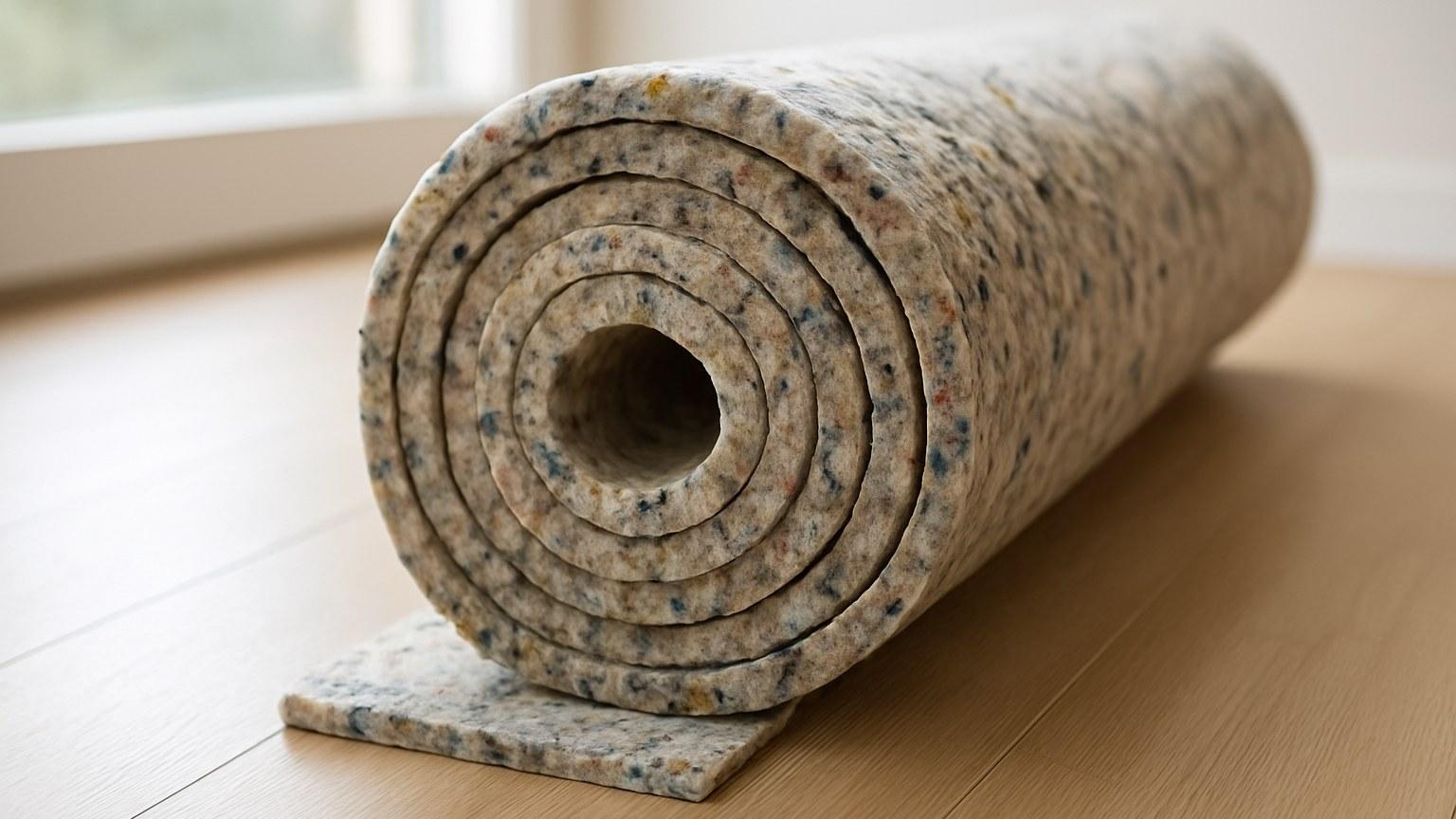
Carpet padding cost runs about $0.75 to $1.75 per square foot installed, per HomeGuide, with labor alone near $0.50 to $1 per square foot, a figure shared by Angi, This Old House, and Bob Vila. The confusion is almost always units: sellers quote by the foot, the yard, or the roll, and people mix pad-only prices with carpet-and-pad prices. Get the unit wrong and the same pad looks twice as expensive.
Key takeaways
- Carpet padding installed with labor runs about $0.75-$1.75 per square foot, per HomeGuide; labor alone is about $0.50-$1 per square foot (Angi, This Old House, Bob Vila).
- A 12x12 room (144 sq ft) of padding installed lands near $108-$252 at HomeGuide's rate before any removal fees.
- Carpet and pad together usually run $2-$8 per square foot (HomeGuide, Carpet Exchange), and basements and stairs cost more than open rooms.
- Match the pad to the carpet: Berber, low-profile loop, and stairs need a thin, firm, dense pad, and a too-soft pad can void the carpet's warranty.
- The cheapest pad per square foot is rarely the cheapest per year once you divide its price by how long it actually lasts.
What Carpet Padding Costs: The Short Answer
Padding installed, meaning the pad plus the labor to lay it, runs about $0.75 to $1.75 per square foot, according to HomeGuide. If you already have someone laying your carpet, the labor to put down pad by itself is about $0.50 to $1 per square foot, a figure shared by Angi, This Old House, and Bob Vila.
Three numbers get mixed up, so pin them down before you shop:
- Pad labor only is about $0.50 to $1 per square foot.
- Pad material plus labor is the $0.75 to $1.75 per square foot above.
- Carpet plus pad together is a different, bigger number, about $2 to $8 per square foot, per HomeGuide and Carpet Exchange.
The figure moves for real reasons. A denser, thicker pad costs more than thin builder-grade foam. Prices run higher in some regions than others. And a flat, open bedroom is cheaper per foot than a basement or a staircase, where the pad has to be cut, fit, and often fastened step by step.
You can read your own room's cost straight off the tables below. The pad isn't just comfort, it takes the pounding so your carpet doesn't, which is why the cheap pad is rarely the smart buy.
Carpet Padding Cost by the Square Foot, Square Yard, and Roll
Start with the base rate and everything else is arithmetic: HomeGuide puts padding installed at $0.75 to $1.75 per square foot. That is the number to convert from.
A square yard is 9 square feet, so a per-yard price is just the per-foot price times 9. Padding is also sold on rolls, usually around 12 feet wide, with the price set by the length you pull off. When a seller quotes a roll, ask for the price per square foot and multiply by your room's area. That's the only way to compare two quotes fairly.
The formula in plain words: area in square feet x price per square foot = your padding cost, before any removal or freight fees.
| Unit | Price | Basis |
|---|---|---|
| Per square foot | $0.75-$1.75 | installed, labor + materials |
| Per square yard (x9) | $6.75-$15.75 | per-foot rate x 9 sq ft |
| Per 120 sq ft (a 10x12 room) | $90-$210 | rate x 120 sq ft |
| Per roll (~12 ft wide) | varies by length | get price per sq ft, then multiply by roll area |
Source: HomeGuide's carpet padding cost guide
Carpet padding priced per square foot and converted to square yards, a 10x12 room, and rolls.
Same pad, different sticker, depending on how it's priced. That's why the square-yard number can scare people off a pad that's actually fine per foot.
What Carpet Padding Costs at Home Depot and Lowes
At a big-box store you're buying the pad only, with no labor baked in, so the sticker is lower than the installed rate above. Take the installed range and pull out the $0.50 to $1 labor, and the material alone works out to roughly $0.25 to $0.75 per square foot for standard rebond, with memory foam and rubber pads costing more.
Don't shop on thickness alone. Flip the label over and read the pound rating, the pad's density. A 6-pound rebond and an 8-pound rebond can look the same on the shelf and wear nothing alike.
Carpet Padding Cost by Room Size
At HomeGuide's $0.75 to $1.75 per square foot installed rate, a 10x12 bedroom runs about $90 to $210, and a whole 1,000 square feet runs about $750 to $1,750.
The math is simple. Measure length times width for the square footage, add about 5 to 10 percent for waste and seams when you order, then multiply by the rate. The waste cushion matters more in rooms with jogs, closets, and doorways than in a plain square.
| Room | Square feet | Padding cost (installed) |
|---|---|---|
| 10x12 bedroom | 120 | $90-$210 |
| 12x12 room | 144 | $108-$252 |
| 12x15 room | 180 | $135-$315 |
| 15x20 living room | 300 | $225-$525 |
| Whole house | 1,000 | $750-$1,750 |
Installed padding cost (labor plus material) for common room sizes at HomeGuide's rate.
These are open-room numbers. Closets, stairs, and basements raise the per-foot price because of the extra cutting, fitting, and fastening. A flat, square bedroom is a realistic weekend DIY with a knife, a staple gun or tape, and a helper to hold the roll. For stairs, tight closets, and basements, I call in specialists rather than do the work myself; in a basement, there's also the floor itself to address: concrete holds moisture, so you check it before anything goes down, and some pads handle a slab better than others. Getting carpet onto stairs correctly is specialized enough that it deserves its own stair carpet installation breakdown.
Cost by Padding Type: Rebond, Foam, Rubber, and Fiber
There's no single best pad, only the right one for the room. Below is what each type actually suits.
Rebond is the common speckled, multicolor pad made from recycled foam, and it covers most bedrooms and living rooms well. Prime foam is a lighter single-color foam that's fine for light-traffic rooms but flattens sooner. Frothed foam is denser and firmer, a step up for busier rooms. Memory foam feels plush but is too soft for stairs or heavy traffic.
Fiber, jute, and felt pads are firm and thin, which is exactly what a low-profile carpet wants. Flat rubber is firm and stable for halls and stairs. Waffle rubber feels soft and bouncy but crushes where feet keep landing. That pairing matters because the choice between low pile vs high pile carpet changes how much cushioning the pile itself already provides.
| Type | Feel | Best for | Watch out |
|---|---|---|---|
| Rebond foam | Firm, springy | Most bedrooms and living rooms | Low-density versions crush fast |
| Prime foam | Soft, lighter | Light-traffic rooms | Flattens quicker than dense rebond |
| Frothed foam | Dense, firm | Higher-traffic rooms | Costs more than basic foam |
| Memory foam | Plush, cushioned | Comfort-first bedrooms | Too soft for stairs or heavy traffic |
| Fiber / jute / felt | Firm, thin | Berber and low-profile loop | Little cushion underfoot |
| Flat rubber | Firm, stable | Halls, stairs, heavy traffic | Heavier, pricier |
| Waffle rubber | Soft, bouncy | Low-traffic comfort rooms | Crushes in busy areas |
How common carpet pad types compare on feel, best room, and what to watch.
Price tracks density. A denser pad in the same type costs more, and that density is what the next section ties to real value.
Density, Thickness, and Not Voiding Your Carpet Warranty
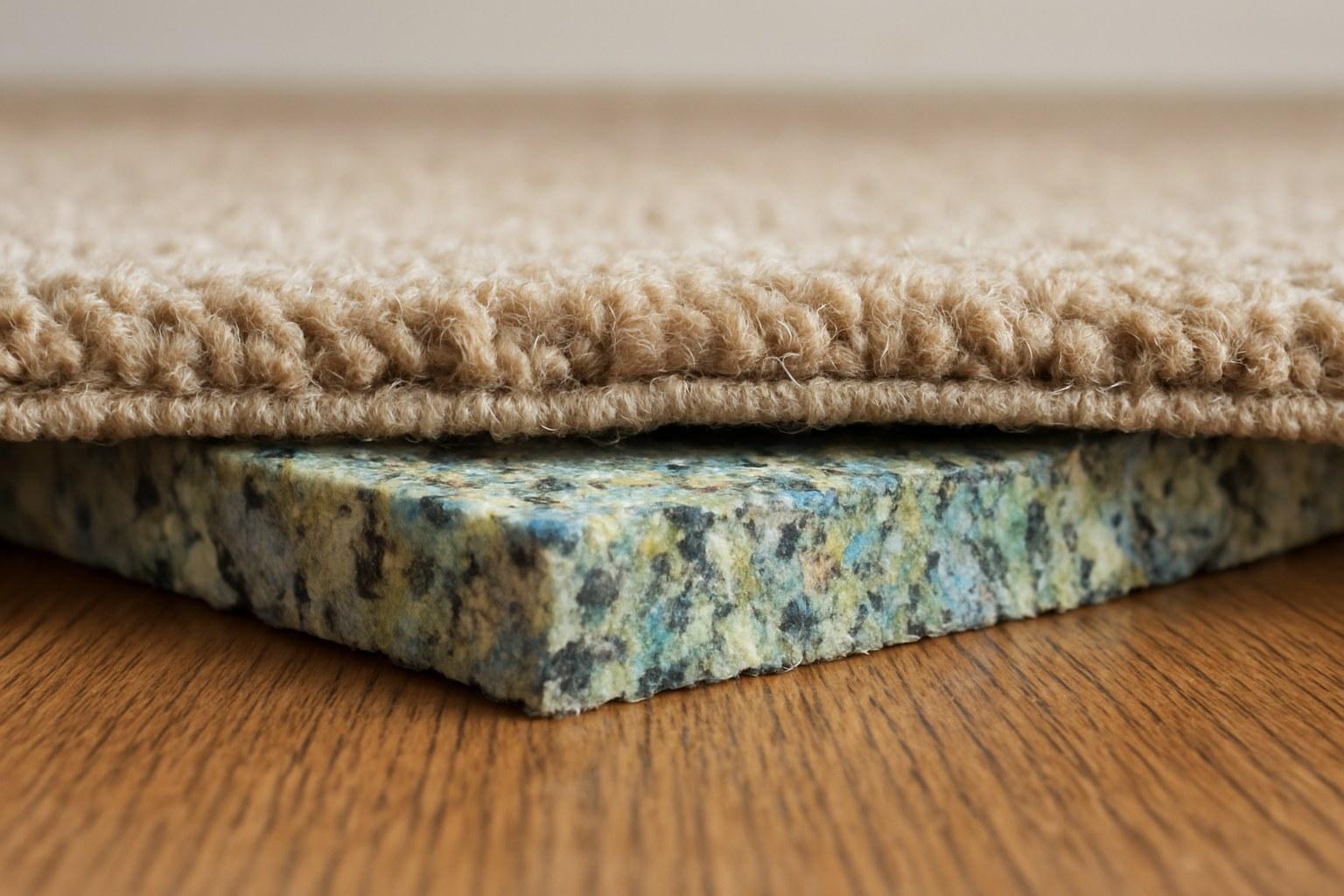
Density and thickness decide how a pad wears and whether the carpet maker honors its warranty, not how soft it feels when you press your hand on it in the store. The soft one usually wears out first.
That pound rating is a density, not a thickness. Thickness on most residential pads runs about 3/8 inch to 7/16 inch, and going thicker than what the carpet maker allows is one of the quickest ways to void the warranty. An 8-pound pad is a solid midrange that suits most rooms. Plush and Saxony carpets, Saxony being the cut-pile style with straight, upright yarn you see in most living rooms, want a thicker, cushioned pad for comfort.
Berber, the looped, low-pile style often flecked with color, and other low-profile loop carpets want the opposite: a thin, firm, high-density pad, because a thick soft pad lets the loops flex and break down. If you haven't settled on a carpet style yet, our guide to choosing carpet for each room walks through matching those options to how a space gets used.
Firmness follows use. High-traffic rooms and stairs need a dense pad that won't crush. The best carpet for high-traffic areas only lasts if the pad under it holds up, and if you're doing steps, the separate guide on carpet for stairs covers the firmer pad those need.
This is the step that quietly costs people money: most carpet warranties name a required density and thickness. Put down a too-soft or too-thick pad and you can void the coverage you paid for. Read the carpet maker's spec before you buy the pad, and match firmness to how the room actually gets used, which lines up with the Carpet and Rug Institute's cushion guidance.
Cost vs. Lifespan: Which Pad Is the Best Value
Divide a pad's price per square foot by how many years it lasts, and you get a cost-per-year number. That's the figure that matters, and it's one the cheapest pad up front can quietly lose on over its life.
A low-density prime foam that crushes flat in a few years and makes you recarpet early cost you more than a dense rebond or a rubber pad that holds up for the full life of the carpet above it. What I've observed in busy hallways is that the pad usually fails first, long before the carpet itself appears worn, and a flat pad drags the carpet down with it.
Spend where the traffic is. For bedrooms, a midrange 8-pound rebond is plenty. For halls, stairs, and family rooms, a denser rebond or a flat rubber pad earns its higher price by not needing a redo.
One more reason the cheap pad costs you later: odor. I once pulled carpet in a Dayton home where the smell kept coming back after cleanings, and the reason was simple, the odor had soaked down into the pad and the subfloor, not just the carpet surface. Now I treat the pad and the floor under it, not only what you can see. In a home with pets, plan to swap the pad when you recarpet, and pick your carpet for pets with that in mind.