
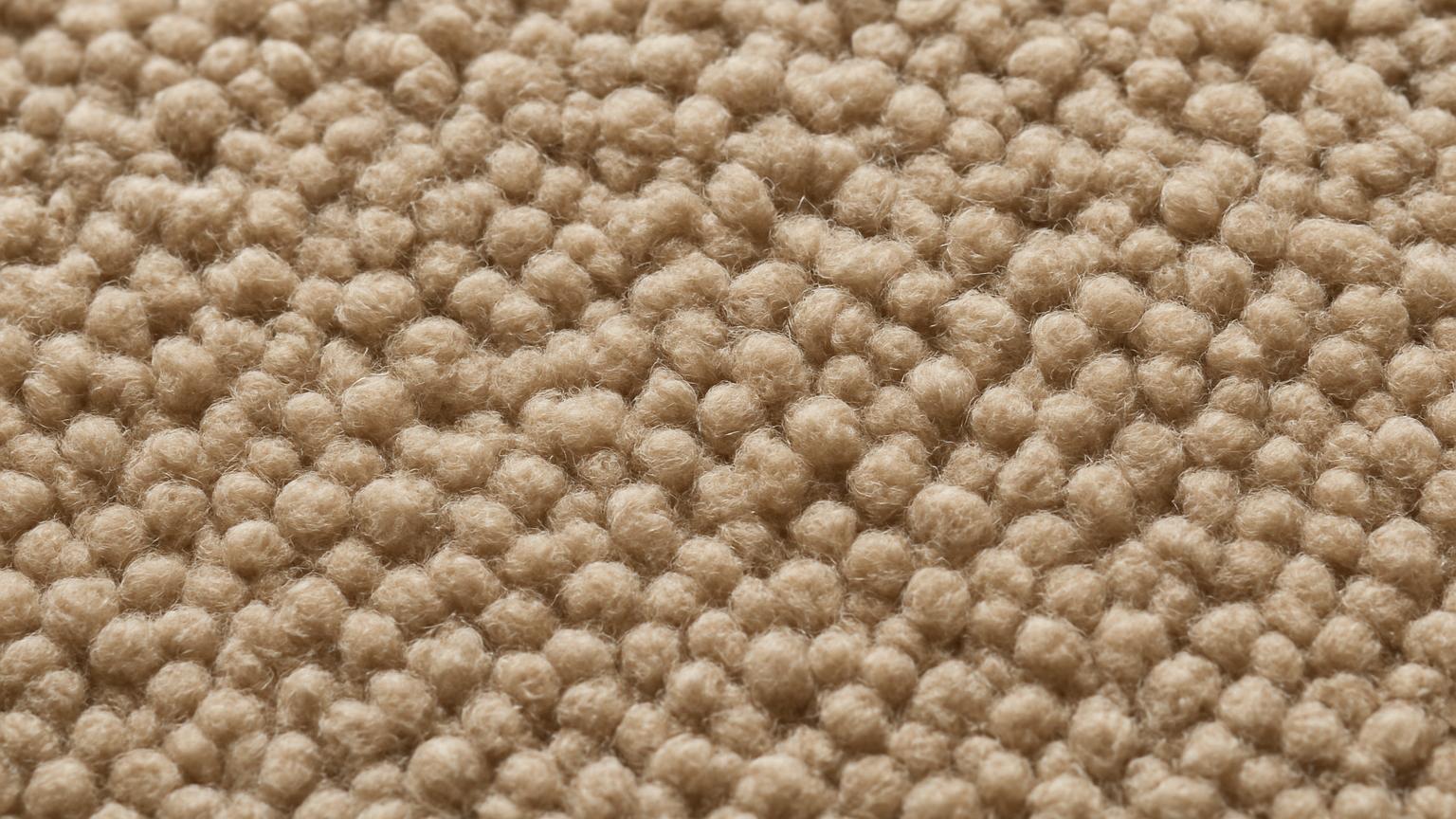
Low pile carpet, about 1/4 inch tall or less, is firmer and wears better; high pile, over 1/2 inch, feels softer but mats and traps dirt faster, so low pile wins most rooms and high pile earns low-traffic bedrooms. The confusion starts because sellers draw the "high pile" line in different spots, and some sites claim low pile feels softer, which isn't right. Get the height or the room wrong and you pay for it in matted traffic lanes or a floor that fights your vacuum. Plush carpet is the common name for that softer high-pile style, and its own costs and lifespan work differently from low pile, as the plush carpet cost and lifespan guide breaks down.
Key takeaways
- Low pile sits around 1/4 inch or less; high pile runs over 1/2 inch, but sellers set different cutoffs, so judge by the actual tuft measurement, not the label.
- The Carpet and Rug Institute says carpet meeting ADA (Americans with Disabilities Act) accessibility rules must have a pile height of 1/2 inch or less, measured from the bottom of the tuft.
- The Carpet and Rug Institute says construction, density and twist decide durability more than fiber or pile height alone.
- Low pile is firmer and flatter underfoot, not softer; softness comes from fiber and density, not height.
- Low pile wins for traffic, pets, and cleaning; high pile earns its place in low-traffic bedrooms where comfort matters most.
What Pile Height Measures (and How It Differs From Thickness)
Pile height is just the length of the fiber from the carpet backing to the tip, measured from the bottom of the tuft. That's it. It is not the total thickness you feel when you press your hand down, because that number also counts the backing and whatever cushion sits under the carpet.
People mix these up constantly. A carpet can have short pile but feel thick because it's sitting on a plush pad underneath. The pad is doing that, not the fiber.
Two other specs get tangled in with height. Face weight is the ounces of fiber per square yard, basically how much yarn is packed into the carpet. Density is how tightly those fibers stand next to each other. A carpet can be tall and still feel thin and floppy if the density is low.
Padding adds real comfort underfoot, but it's a separate decision from pile. If you want to weigh that side, see what it runs in the carpet padding cost breakdown, because a good pad changes both the feel and the lifespan of whatever pile you pick.
Low, Medium, and High Pile: The Measurement Breakdown
Most guides split these numbers across different pages, so here they sit together: low pile sits around 1/4 inch or less, medium runs about 1/4 to 1/2 inch, and high pile starts over 1/2 inch.
| Pile type | Typical height | Notes |
|---|---|---|
| Flat / low pile | About 1/4 inch or less | Sellers agree this is the flattest, most durable tier |
| Medium pile | About 1/4 to 1/2 inch | Agreed middle ground between firm and plush |
| High pile | Over 1/2 inch; some sellers only call it high over 3/4 inch | Disagreement lives here: one line at 1/2 inch, another at 3/4 inch |
| Shag / ultra-high | Over 1 inch | Some sellers list this as its own tier beyond high pile |
Pile height ranges in inches, and the points where sellers disagree on the "high pile" cutoff.
The trouble is the "high pile" line. Some sellers call anything over 1/2 inch high pile. Others won't say high until it's past 3/4 inch. So the label on the sample board tells you less than you think.
Don't trust the word on the tag. Pull a few fibers upright between your fingers and measure from the backing to the tip. That actual tuft number is the one that decides how the carpet behaves. That same fingertip measurement is what lines up against the full carpet pile height guide, which breaks the inches into low, medium, and high bands and shows you how to take the measurement step by step.
And medium pile is a real middle tier, not a marketing word. If a store calls something "medium" it should land in that 1/4 to 1/2 inch band, firmer than a plush bedroom carpet but with more give than a tight commercial loop.
Is Low Pile Carpet Actually Soft?
No. Low pile feels firmer and flatter underfoot, not softer. Any site telling you low pile is "softer" is leaning on a sloppy shortcut.
Softness comes from the fiber and the density, not the height. A dense carpet made from a soft nylon or polyester can feel plush even at low pile, because so many fine fibers are packed in tight. Meanwhile a tall but thin high pile can feel scratchy and loose because there isn't much there to cushion your foot.
So the fix is simple. Stop asking "is it tall or short" and start asking "what fiber, and how dense." A low, dense, soft-fiber carpet can feel better underfoot than a cheap shag. Height alone tells you almost nothing about comfort.
Low Pile vs High Pile: Pros and Cons
Low pile wins on durability, easy vacuuming, hiding traffic lanes, and holding fewer allergens. High pile wins on warmth, cushion, and that bare-feet comfort you want first thing in the morning.
Low pile's edge is practical. Flat, dense fibers don't crush into permanent traffic paths the way a tall pile does, and a vacuum reaches the base easily. Dirt and dander have less fiber to hide in, which matters in an allergy household.
High pile's cost shows up over time. It traps more dirt and allergens down near the backing, shows vacuum tracks and furniture dents, and flattens faster where feet land. In a busy room it starts looking tired long before a low dense carpet would.
You'll see this same comparison sold under other names, "deep pile," "thick pile," or "short pile." Same decision, different words on the tag.
There's a money side too. Low pile is cheaper to keep clean and tends to outlast high pile under traffic, which stretches the time before you're pricing out a tear-out. If you want the real numbers on that next floor, the carpet replacement cost breakdown lays them out, and if you're still choosing a material entirely, start with the wider best carpet pick.
Why Construction Beats Pile Height for Durability
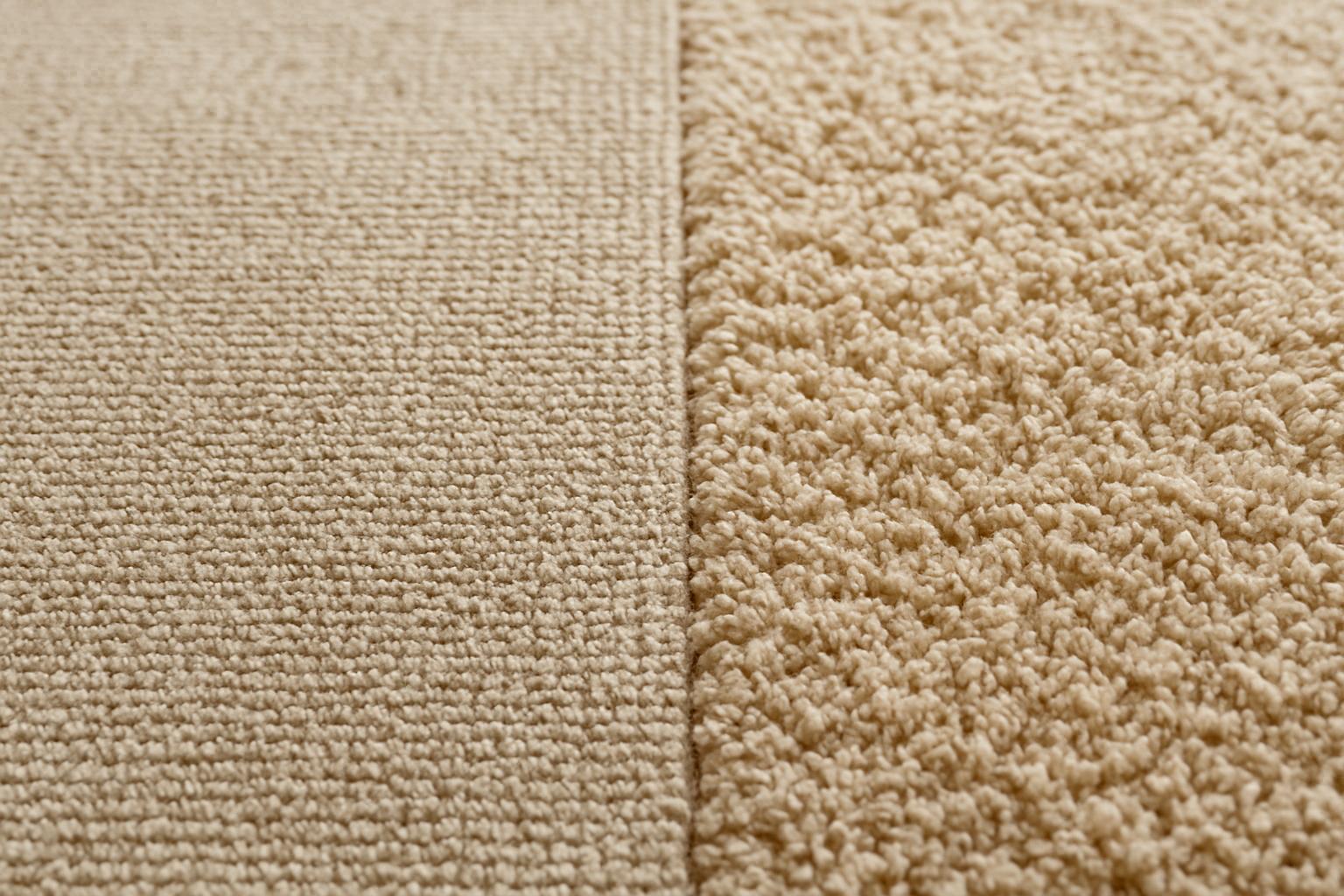
The Carpet and Rug Institute puts it plainly: construction, density, and twist decide how long carpet lasts more than fiber or pile height alone. A tightly twisted, densely packed carpet can outlive a taller, looser one.
How the yarn is made into carpet matters just as much as how tall it stands.
| Construction | Examples | How it wears |
|---|---|---|
| Cut pile | Plush, Saxony (a soft, dense cut pile with little twist), frieze (a tightly twisted, curly cut pile) | Tight-twist frieze hides footprints; plush and Saxony show them |
| Loop pile | Berber, level loop, multi-level loop | Low, dense loops take heavy traffic well |
| Cut-and-loop | Patterned / sculptured styles | Pattern hides dirt and wear; durability sits in the middle |
Source: the Carpet and Rug Institute's durability guidance
How the three main carpet constructions wear, by style.
Cut pile means the yarn loops are sheared open at the top. Loop pile leaves them closed. Cut-and-loop mixes both to form a pattern, and that pattern is good at hiding dirt and foot marks. Each of those builds shows up under its own name on the showroom wall, and the carpet pile types breakdown sorts out all seven you're likely to run into and what each one actually survives.
For a busy room, nylon is the fiber I steer people toward, because it springs back after it's crushed better than most. If you want the specific builds that survive hard use, I broke those down in the guide on carpet builds that actually survive high traffic.
Which Pile Height for Which Room
Match the pile to the traffic, not to the look you fell for on the sample board. Entries, halls, and stairs want low dense pile; bedrooms are where high pile earns its keep. For a fuller room-by-room breakdown that also covers installation and padding, the carpet guide for every room walks through those choices together.
| Room | Pick | Why |
|---|---|---|
| Entries, halls, stairs | Low, dense loop or short frieze | Takes the heaviest foot traffic |
| Living / family room | Low to medium dense cut pile | Balances comfort and wear |
| Bedrooms | Medium to high pile | Low traffic, comfort matters most |
| Home office / closets | Low pile | Rolling chairs and light use |
| Basements | Low pile | Easier to clean, traps less moisture and dirt |
Recommended pile height and construction by room, matched to traffic.
Stairs deserve their own call-out. On the nosing, that front lip where every foot lands, a lower, denser pile wears far better than a tall one that crushes and frays at the edge. I've pulled up more than one matted high-pile runner off a staircase in a Dayton split-level where the nosing was worn shiny while the flat treads still looked fine. Pick the pile for that lip and lay it right, which the carpet for stairs guide walks through.
Pet households should lean low, dense, and easy to clean, where claws snag less and dirt washes out. The best carpet for pets rundown gets specific on fibers and builds.
The One Number Nobody Cites: ADA's Half-Inch Pile Limit
Few articles mention this one. The Carpet and Rug Institute says carpet meeting Americans with Disabilities Act (ADA) accessibility rules must have a pile height of 1/2 inch or less, measured from the bottom of the tuft.
That matters for anyone rolling a wheelchair or pushing a walker. Wheels and walker feet roll easily over low, firm pile and bog down in deep plush. If accessibility is part of the plan, that half-inch ceiling is a hard line, not a suggestion.
There's a second reason to keep pile low. The Carpet and Rug Institute also flags that thick, high-pile carpet with cushion adds thermal resistance, meaning it slows heat moving up through it. Over radiant heating built into the floor, a deep pile and pad can work against the heat you paid to install.
Caring for Low vs High Pile Carpet
The pile you pick changes how you clean it, so set your vacuum right. A beater bar, the spinning brush, is fine on cut pile. But on loop and Berber, drop to a lower setting or switch the beater off so the brush doesn't catch and pull loops. High pile just needs more slow passes to reach the dirt sitting down at the base.
For deeper cleaning, hot water extraction, often called steam cleaning, flushes dirt out with hot water and suction, while encapsulation uses a cleaner that crystallizes around dirt so you can vacuum it up. Low pile usually needs a deep clean less often because dirt doesn't sink as far; high pile wants it more regularly. Always test any cleaner on an out-of-the-way spot before broad application, since some fibers respond poorly to the wrong chemical.
For the upkeep between professional visits, a carpet cleaner rental handles routine refreshes, and keep a carpet stain remover on hand for the spills that always come. If you're still torn on which height fits your busiest rooms, the deeper dive into carpet builds that survive high traffic shows exactly which low-pile constructions hold up and which ones only look tough on the sample board.