
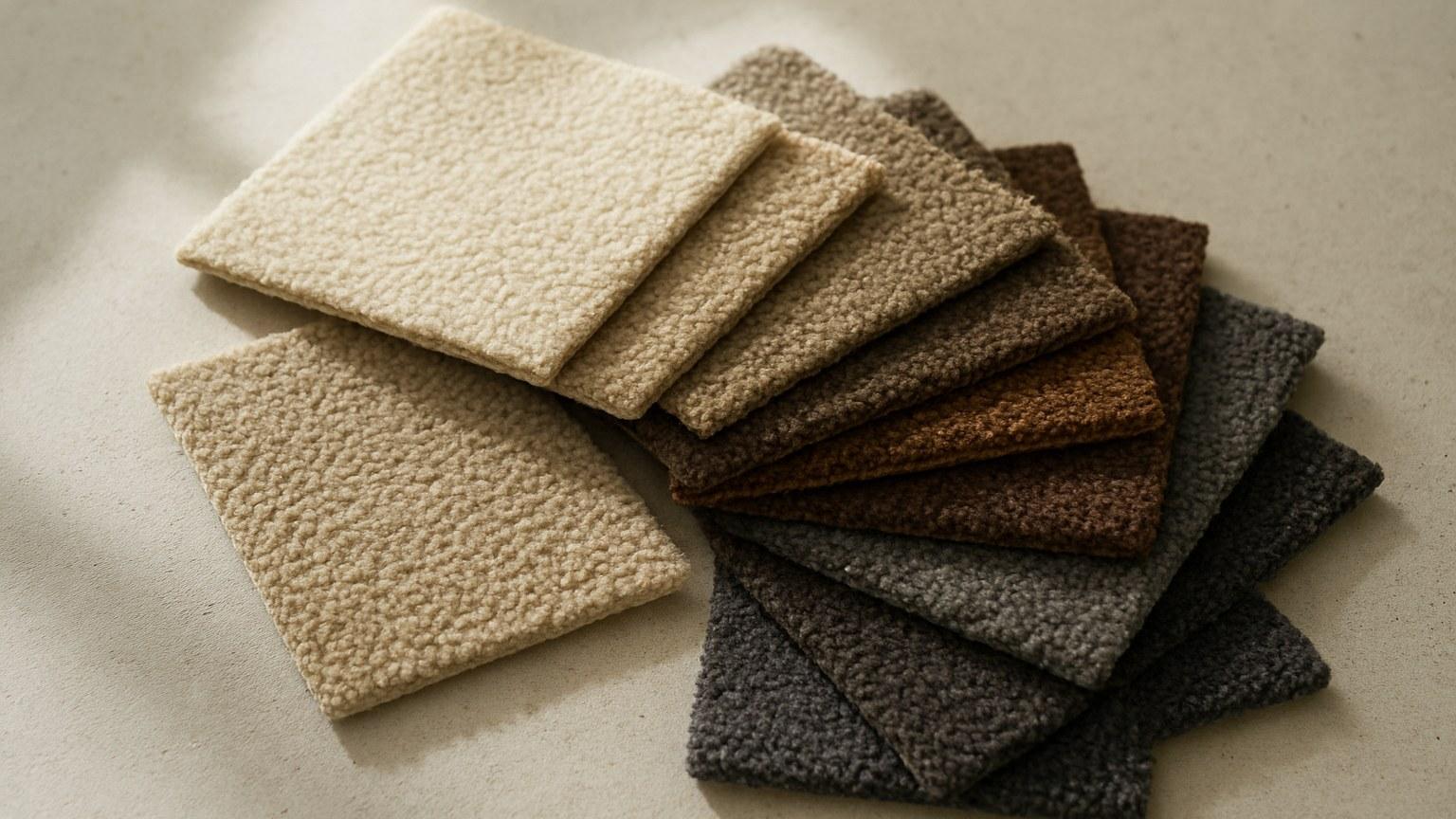
There are five carpet fibers and four pile builds, and for most whole-house jobs the best carpet type is solution-dyed nylon in a textured cut pile. The catch is that the name printed on the sample predicts wear far less than density and twist do, so two carpets labeled "nylon" can hold up very differently. Below I match every carpet type to the room it actually belongs in.
Key takeaways
- For most whole-house jobs, solution-dyed nylon in a textured cut pile is the safe all-rounder; wool matches it for wear at a premium price.
- Nylon outlasts polyester in high-traffic areas, but polyester (PET) wins on softness, built-in stain resistance, and price.
- Loop and Berber carpet hide footprints and traffic marks, but the uncut loops snag on pets' claws.
- Carpet labor runs roughly $0.50-$2 per square foot and installed cost runs about $2-$8 per square foot depending on the source and region; stairs and basements run higher, according to carpetexchange.com.
- Density and twist predict how carpet wears more reliably than pile height or the fiber name on the label.
Carpet Types at a Glance: One Reference Table
If you want one default answer, it's textured cut nylon. It wears hard, hides footprints and vacuum tracks, and handles stairs and hallways without matting down in a year. Most homes should start there and only move off it for a reason, like a tight budget or a formal room that never sees traffic. For the full room-by-room breakdown, including installation and padding choices, the step-by-step way to choose carpet for every room walks through the whole decision.
Other guides tend to explain fiber on one page and pile on another. The table below pairs them, so you can read down to your room and see the fiber, pile build, and typical grade that fit together. The pairings reflect where the Carpet and Rug Institute's fiber and pile research lines up with retailers like dolphincarpet.com, bakerbros.com, and carpetone.com.
| Carpet type | Fiber | Pile build | Typical grade | Best room | Durability |
|---|---|---|---|---|---|
| Textured cut nylon | Nylon | Textured cut | Standard-Premium | Whole house, stairs | High |
| Saxony / plush nylon | Nylon | Cut (plush) | Standard | Formal rooms, low-traffic bedrooms | Medium (shows tracks) |
| Berber loop | Nylon | Level loop | Standard | Halls, high-traffic areas | High |
| Budget Berber loop | Olefin / polypropylene | Level loop | Builder-Standard | Basements, rentals | Medium |
| Frieze / shag | Polyester (PET) | Long twisted cut | Standard | Bedrooms, dens | Medium |
| Plush polyester | Polyester (PET) | Cut | Builder-Standard | Bedrooms | Low-Medium |
| Triexta cut | Triexta | Cut | Standard-Premium | Family rooms, pet homes | High |
| Wool loop or cut | Wool | Loop or cut | Premium | Formal rooms, premium jobs | High |
Carpet types paired by fiber, pile build, grade, best room, and durability.
One warning before you shop off any chart, mine included: the name on the sample is the weakest predictor of wear. Density, meaning how tightly the yarn is packed into the backing, and twist, meaning how tightly each strand is wound, matter more. A loose, cheap nylon will mat before a dense, well-twisted polyester. Read the spec sheet, not just the fiber name.
The 5 Carpet Fiber Types, Ranked by What Holds Up
Nylon is the toughest common synthetic, triexta and wool sit close behind, polyester is softer but mats faster, and olefin is the cheap one you put where it won't take abuse.
Nylon springs back under traffic better than anything else in the synthetic group. Look for "solution-dyed" nylon, which means the color is baked into the fiber all the way through instead of printed on the surface. That makes it shrug off sun fading and even diluted bleach. Stainmaster is a nylon fiber brand you'll see on labels; it's the fiber doing the work, not magic.
Polyester (PET) is the softest-feeling budget fiber and resists water-based stains well right out of the box. The tradeoff is that it crushes and mats in traffic lanes faster than nylon, so keep it in bedrooms and quiet rooms.
Triexta is the newer fiber with built-in stain resistance that doesn't wear off, since it's part of the strand. It shows up branded as SmartStrand from Mohawk. It feels soft and springy and wears close to nylon, which makes it a strong pick for family rooms and homes with kids or pets. If cats are the shedding, scratching, or hairball-prone culprits in your house, the best carpet options matched to cat habits narrows the fiber and pile choice further than a general pet recommendation can.
Olefin (polypropylene) is the cheapest fiber and the one that's bleach-safe, so it survives harsh cleaning. But it's coarse and mats quickly, which is why you see it in basements, sunrooms, and budget loop Berber, not living rooms.
Wool is the natural fiber, soft and naturally resilient, and it wears for decades in a formal room. It costs the most and reacts badly to harsh cleaners, so you spot-test anything before you use it and follow the care label.
| Fiber | Feel | Durability | Stain resistance | Relative cost | Best use |
|---|---|---|---|---|---|
| Nylon | Resilient, springs back | Highest-wearing synthetic | Good; excellent if solution-dyed | Mid to high | Whole house, stairs, pets |
| Polyester (PET) | Very soft | Decent but mats in traffic | Excellent against water-based stains | Low | Bedrooms, low-traffic rooms |
| Triexta | Soft and springy | High, close to nylon | Excellent, built in | Mid | Family rooms, kids and pets |
| Olefin (polypropylene) | Coarse | Low, mats quickly | Excellent, bleach-safe | Lowest | Basements, loop Berber, sunrooms |
| Wool | Soft, luxurious | High, naturally resilient | Good but sensitive to harsh cleaners | Highest | Formal rooms, premium jobs |
How the five carpet fibers compare on feel, wear, stain resistance, cost, and best use.
Nylon vs Polyester vs Wool: Which Actually Lasts
For a high-traffic area, nylon lasts longest among the three and wool matches it at a much higher price. Polyester feels softest and costs least, but it's the first of the three to mat down where people walk.
I pulled two "nylon" carpets out of homes in the same Dayton neighborhood one spring. One looked almost new after eight years; the other was flattened and gray in the hallway after four. Same fiber name, different build. The survivor had higher density and a tighter twist. That's the lesson: ask for the density and twist numbers before you compare fiber names. If your choice really is down to these three, the nylon-versus-polyester-versus-wool question for your specific room is worth working through by traffic, not by feel in the showroom.
The 4 Pile Builds and Pile Heights
Carpet comes in four basic builds, and the build decides what the carpet hides and what it shows. Cut pile is sheared flat so each tuft stands straight up. Loop pile (level loop, which includes Berber) leaves the yarn as uncut loops. Cut-and-loop mixes both to make a pattern. Multi-level loop uses loops of different heights for texture.
Cut pile feels soft but shows footprints and vacuum tracks. Loop is tough and hides traffic marks, which is why it goes in halls, but the uncut loops can catch on a pet's claws and pull. Cut-and-loop splits the difference and hides dirt with its pattern.
Pile height is a separate choice. Low and dense wears best, especially on stairs where feet land hardest on the nosing, the front edge of each step that sticks out past the riser. High pile feels plush but it mats and shows every track. If you're torn, a medium-height textured cut is the forgiving middle.
Is Looped Carpet More Expensive?
Not by the build alone. A loop carpet isn't automatically pricier than a cut pile; what moves the price is the fiber and the density, not whether the yarn is looped or cut. A budget olefin Berber loop is cheap, while a dense wool loop is one of the priciest carpets you can buy. If a loop and a cut pile cost the same per square foot, compare their face weight and density to see which is actually the better value.
Named Carpet Styles: Saxony, Plush, Frieze, Berber, and Shag
The names on showroom samples all trace back to those four builds, so once you know the build, the names stop feeling random.
Saxony and plush velvet are cut pile, sheared even and formal. They look rich but show every footprint and vacuum line, so keep them in formal rooms and quiet bedrooms.
Frieze is a cut pile with so much twist that the strands curl and lie in every direction. That scattering hides dirt and tracks, which makes it a strong casual choice for dens and bedrooms.
Berber is a level loop, usually tight and low. It's durable and hides traffic, perfect for halls, though the loops snag on claws.
Shag is deep, high cut pile. It's soft and dramatic but hard to vacuum clean and quick to mat, so it suits a low-traffic room you want to feel plush.
Textured cut pile is the all-rounder, a slightly twisted cut that forgives tracks and takes daily wear. It's what I'd put through most of a house.
Patterned cut-and-loop mixes sheared and looped yarn to carve a design that hides soil well.
Match the style to the household, not the photo. Soft plush in a busy entry will look tired fast. If you want the builds that take the most punishment, the carpet styles that survive high traffic are worth a closer look before you commit, and if claws are a factor, the best carpet matched to what your pet actually does covers loop snag risk in detail.
Carpet Grades and What They Cost
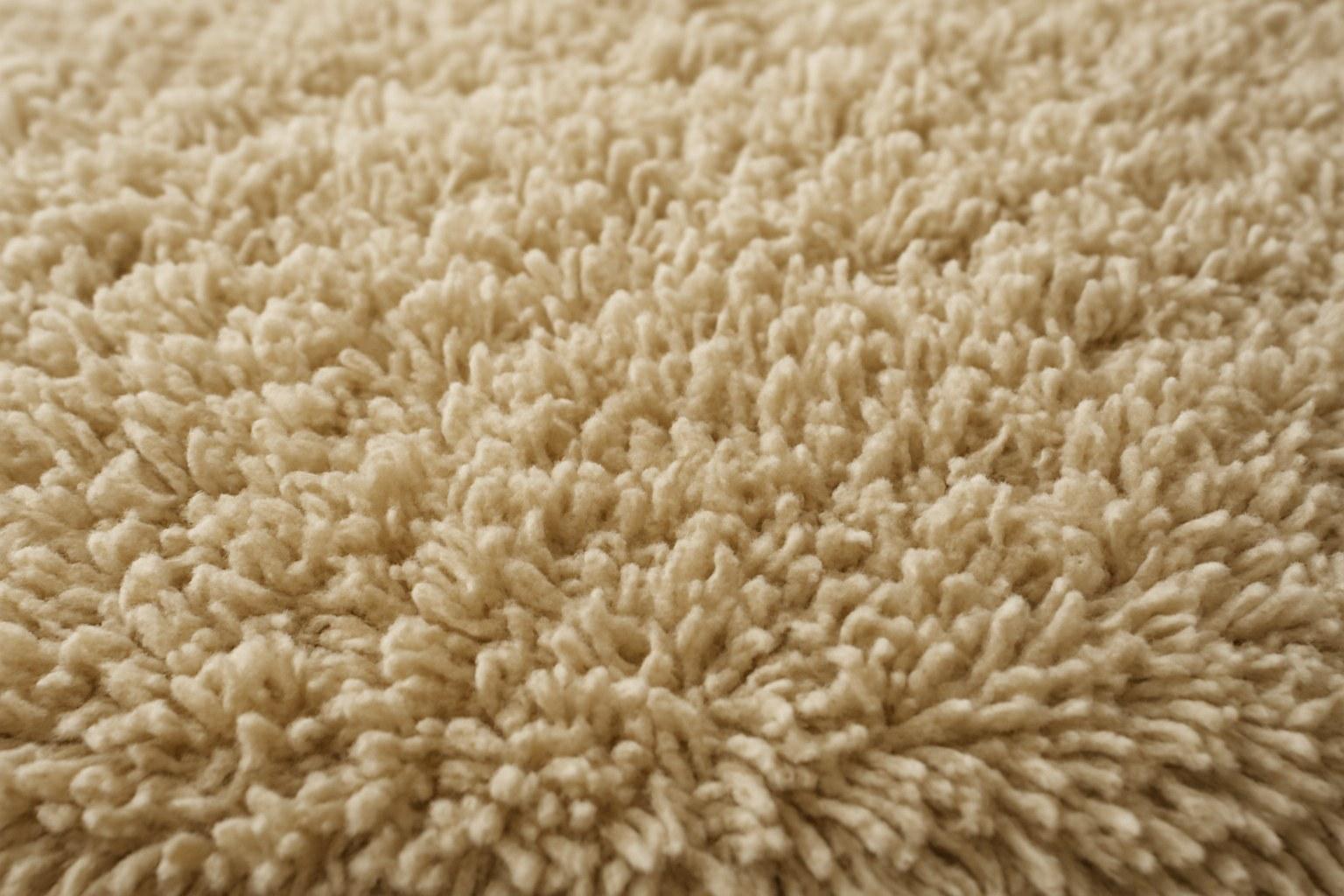
Carpet is sold in three rough grades, and the honest way to read them is by the numbers, not the marketing name. It also comes in two basic formats: broadloom, the wide rolls seamed together to cover a whole room, and carpet tile, modular squares you lay down and can replace one at a time, common in basements and offices. Builder grade is low face weight (the yarn per square yard), low density, loose twist; it's what fills rentals and spec homes. Standard grade steps up all three. Premium grade is the dense, tightly twisted, often solution-dyed or wool goods that wear for decades.
On cost, keep labor and total separate. For labor, carpetexchange.com, costprism.com, and carpetnow.com together put installation labor at roughly $0.50 to $2 per square foot. For the installed total, meaning carpet, pad, and labor together, carpetexchange.com puts the average around $2 to $8 per square foot; other sources quote complete installs anywhere from about $3 to $8, so treat the installed total as something that varies by region, grade, and job complexity rather than a fixed number. Stairs and basements run higher than an open room, because stairs are slow hand work and basements often need moisture-tolerant materials and more cutting.
| Cost part | Range per sq ft |
|---|---|
| Labor only | $0.50-$2 |
| Installed total (carpet, pad, and labor) | $2-$8 |
Carpet labor cost versus the full installed total, per square foot.
Carpet labor versus full installed cost per square foot; stairs and basements run above these ranges.
Should you DIY carpet? Usually not, even if you're handy. A pro pulls the carpet drum-tight with a power stretcher, a long lever tool that stretches the carpet across the room floor, and hooks the edges onto tackless strip, thin wood strips with angled pins nailed along the wall that grip the carpet backing; a hand tool called a knee-kicker sets the carpet onto those strips near the edges. Skip that stretching step and the carpet ripples and loosens within a year. I've been called to re-stretch living rooms a homeowner laid loose, and the fix costs more than hiring it right the first time.
Click-lock vinyl is DIY-friendly; stretched carpet is not. The pad is the other half of your quote, so size it with the real carpet padding cost tables by foot, room, and type, and if you're pricing a full tear-out and replace, the 2026 carpet replacement cost numbers break the whole job down. For stairs specifically, where the pile and build matter most, the guide to picking and installing carpet for stairs so it won't slip or wear out is the one to read next.
Sources
- Carpet and Rug Institute: selecting the right carpet for homes
- Carpet and Rug Institute: finding the right carpet for business
- Carpet and Rug Institute: The Carpet Primer (PDF)
- Carpet and Rug Institute: Model Specification for Commercial Carpet, 2018 (PDF)
- Carpet and Rug Institute: facility-specific carpet considerations