
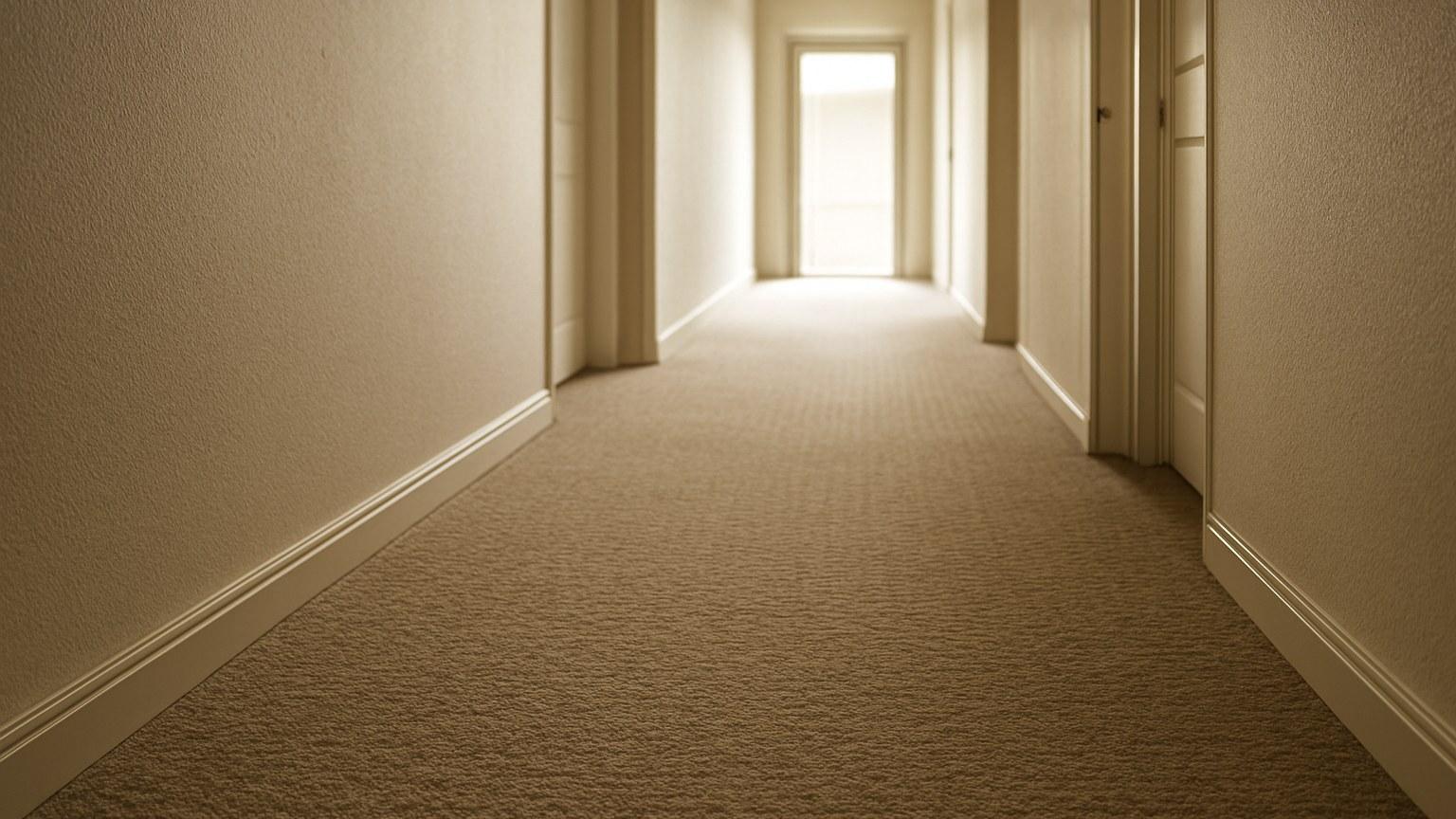
The best carpet for high traffic areas is a low, dense level-loop nylon in entries and hallways, and a short, dense nylon frieze in living rooms. Durability rides on the build, not the fiber name on the label, so two "nylon" carpets can wear years apart. Pick wrong and the lanes mat flat before the warranty paperwork is even in a drawer.
Below are 5 carpet builds that actually survive foot traffic, the styles to skip, and what keeping them clean really costs.
Key takeaways
- For hallways and entries, a low, dense level-loop nylon is the safest pick; for living rooms, a short, dense nylon frieze holds up better because it has no loops to snag.
- The Carpet and Rug Institute puts durability on construction, not the fiber name, so density and face weight predict wear more than whether the label says nylon or wool.
- Skip plush, Saxony, and shag in busy lanes; they show footprints and mat down within a couple of years.
- Under high-traffic carpet, use a firm, high-density pad, not a thick, soft one, which crushes and lets the carpet break down faster.
- Professional carpet cleaning runs about $125-$250 per job (homeguide.com) and is standard every 12-18 months.
Rate Your Space First: Is It Actually High Traffic?
A front entry, main hallway, and stairs take the worst beating in any house. Living and family rooms are heavy but not brutal. Bedrooms are light. The same house usually needs two or three different builds, not one carpet everywhere. If you want to work through each of those rooms one at a time, including padding and installation choices, the room-by-room carpet guide walks through the whole process.
The Carpet and Rug Institute sorts commercial floors by "end use," meaning they match the carpet to how hard the space gets walked. You can borrow that same logic at home. Stop guessing whether your hallway is "high" or "moderate" and rate it by where feet funnel and turn.
One more thing on coverage: in the heaviest lanes, a tight wall-to-wall build or a well-anchored runner both work. A loose area rug slides and wears unevenly, right where you need the most coverage.
| Zone | Traffic | Build that holds up |
|---|---|---|
| Front entry, main hallway, stairs | Heaviest | Low, dense level-loop nylon or short dense frieze over a firm pad |
| Living room, family room, home office | Heavy | Short, dense nylon frieze or solution-dyed nylon cut pile |
| Dining room, guest room | Moderate | Dense cut pile; triexta works here; wool optional |
| Bedrooms | Light | Softer plush or Saxony (a cut pile carpet with soft, lightly twisted tufts standing up) is fine, since feet barely lane it |
Source: the Carpet and Rug Institute's end-use classification
How to match a room's traffic level to a carpet build that survives it.
Stairs are the single most punishing zone in the whole house, so if that's your project, read the guide to picking and installing carpet for stairs before you buy. For whole-house picks across every room, the best carpet guide walks through it room by room.
The Most Durable Carpet Is a Build, Not a Fiber Name
The most durable carpet isn't a fiber, it's a construction. The Carpet and Rug Institute puts durability on how the carpet is built, not whether the label says nylon or wool. That corrects the "just pick nylon" shortcut most guides stop at.
Two numbers predict wear: density, which is how densely the fibers are compressed, and face weight, which is how much fiber is in the carpet by weight. The maker publishes both for every style, so you can compare two carpets on paper before you ever stand on them. Nylon carpet pricing and lifespan trace back to those same two figures, as the nylon carpet pricing guide breaks down in detail.
My experience shows that density beats pile height for guessing which floor I'll get called back to. The plush, fluffy samples feel great in the store and lane out in two years. The tight, dense ones I rarely hear about again. So the picks below are build specs, not fiber names.
Drawing is not to scale.
1. Low, Dense Level-Loop Nylon (Berber-Style): The Hallway Default
For entries and hallways, this is the pick most people should make. Tight, short loops with no cut tips means there's nothing to crush, and nylon springs back after years of being stepped on. It's the build I'd put down my own front hall.
The real catch is the loops themselves. A big open loop can snag on a pet claw or a dragged chair leg, and once a loop pulls, it runs. In a house full of large dogs, go with a smaller, tighter loop or skip loop entirely.
Watch out for cheap olefin "berber" lookalikes. They copy the look but mat fast and go dingy. The durability here comes from dense nylon loops, not the berber pattern.
2. Short, Dense Nylon Frieze: Best for High-Traffic Living Rooms
For a busy family room, a short, tightly twisted cut pile (frieze) beats loop. It hides footprints and vacuum marks, and because the tips are cut, there are no loops to snag on claws or furniture.
The tight twist is doing the work. A loose twist untwists and mats, which is exactly what flattens plush. The denser and tighter the twist, the longer it lasts.
One thing I learned on a hallway job: I ran a seam across a spot lit by low window light and it showed every single evening, even though the seam itself was clean. In an open living area, plan your seams away from raking light first, then worry about traffic patterns. A good carpet with a glaring seam still looks like a bad install.
3. Solution-Dyed Nylon, Low Cut Pile: For Pets and Spills
For homes with pets and kids, solution-dyed nylon is the build to look for. Solution-dyed means the color runs all the way through the fiber instead of being painted on the outside, so it takes stronger spot cleaning without bleaching out to a pale patch.
Pair that stain tolerance with a low, dense cut pile and you get a carpet that survives the traffic and the messes. Stainmaster PetProtect is a real example of this build sold at retail. Judge it on its published density and twist just like anything else.
If accidents and odor are your main worry, the best carpet for pets guide digs into backing, padding, and cleanup for homes where that's the whole battle.
4. Dense Triexta (SmartStrand): The Value Build
Triexta is sold mainly as Mohawk's SmartStrand. The stain resistance is built into the fiber rather than sprayed on, it feels softer underfoot, and it usually costs less than premium nylon. For a heavy living room, it's a strong value.
Here's the honest limit: triexta has fewer years of hard-hallway history behind it than nylon. It holds up well in rooms, but I'd steer it toward heavy zones rather than the heaviest. For a front entry that funnels everyone in off the driveway, I still lean nylon.
Judge it on density and twist, not the SmartStrand name. A thin, loosely twisted triexta mats like anything else.
5. Wool Level Loop: The Splurge, and Where It Doesn't Belong
The guides disagree on wool. Some rank it a top heavy-traffic fiber; others call it best for only "moderately trafficked" rooms. Both are partly right, which is why it's confusing.
My take: a dense wool level loop genuinely survives real traffic, it looks better than synthetics, and it costs a lot. The problem is wool reacts badly to soaking and harsh cleaners. Natural fibers want a hidden-corner spot test before any cleaner touches the face.
That makes wool a good fit for a formal living room that stays tidy, and a poor fit for a kid-and-dog hallway where spills get scrubbed hard and often. Put your money there only where the mess stays low.
The Builds to Skip in High Traffic (Plush, Saxony, Shag, Thin Olefin)
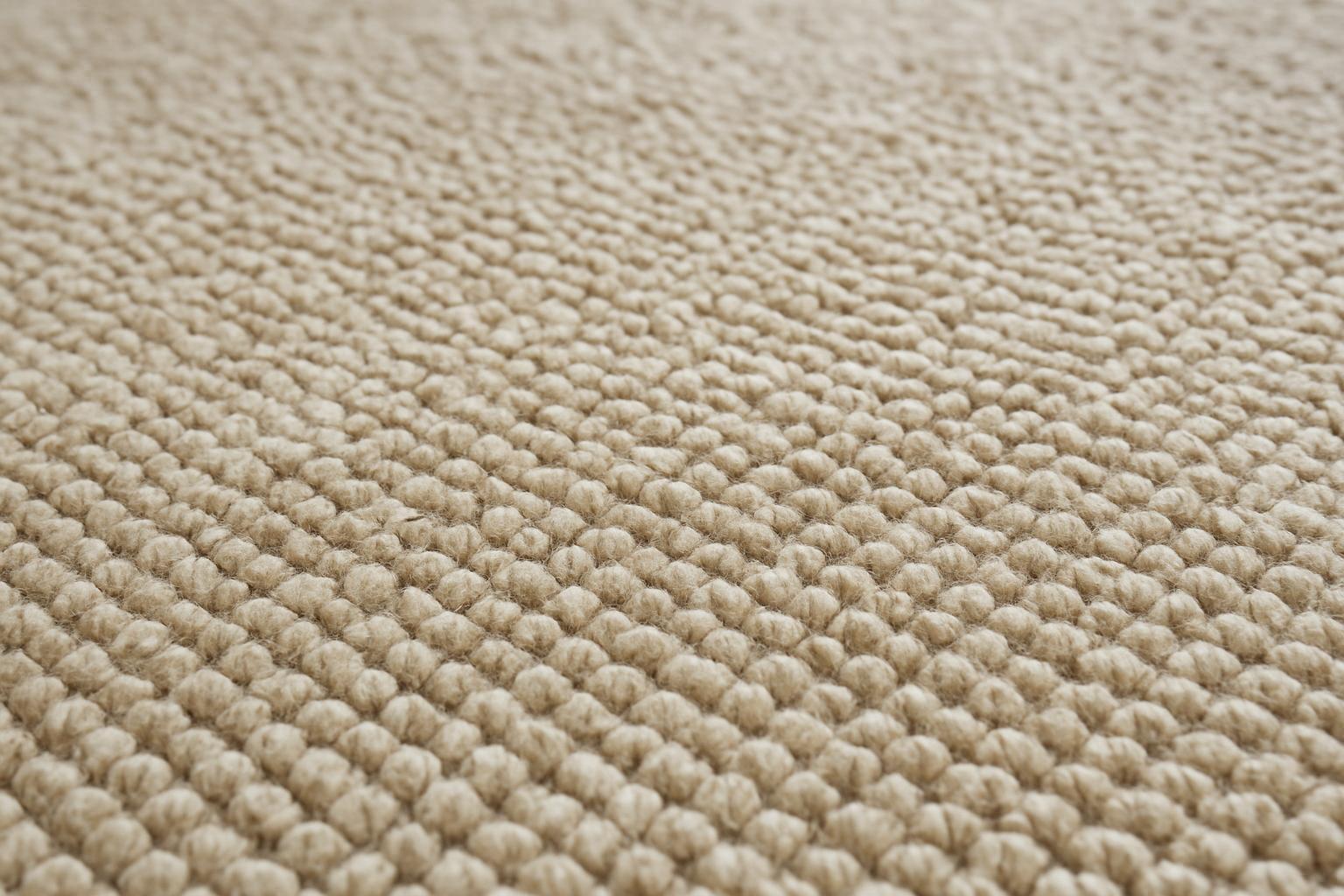
Don't buy plush or Saxony for a lane. They show every footprint and mat down the middle where people walk. Shag crushes flat and never recovers. Thin olefin or polypropylene is cheap, but it packs down fast and goes dull.
These are the carpets I get called to look at two years in, matted gray tracks running from the door to the couch. The cause is almost always the same: low density and long, loose fibers that bend over and stay there.
None of this makes them bad carpet. In a bedroom or a guest room where feet barely lane it, a soft plush is comfortable and fine. Just keep it out of the hallways and off the stairs. Plush carpet's own costs and best-fit rooms get a full breakdown in the plush carpet buying guide.
Padding: The Spec People Skip That Decides Lifespan
Under high-traffic carpet, use a firm, high-density pad, not a thick, plush one. Thickness without density lets the carpet flex every step, and that flexing breaks the backing down from below. People reach for the softest pad in the showroom and shorten the life of a good carpet doing it.
The pad takes the pounding. A thinner, denser pad outlasts a thick, soft one in a hallway, which is the opposite of what feels nice when you squish it with your hand at the store. Match the pad to the room, not the demo.
How much pad density and thickness change the bill is laid out in the carpet padding cost guide, worth reading before a salesperson upsells you to the plushest option.
What It Costs to Keep High-Traffic Carpet Clean
Plan on professional cleaning every 12-18 months in busy zones. Professional carpet cleaning runs about $125-$250 per job, according to homeguide.com, and in high-traffic lanes that schedule is what keeps the fibers from packing down for good.
Vacuuming frequency matters just as much, though guides disagree on the exact number, some call for twice a week, others for three or more times in the heaviest lanes, so there's no single authoritative figure. Grit works down into the pile and acts like sandpaper on the fibers every time someone walks over it, so pulling it out early is cheap insurance.
If your current carpet is already matted and gray down the middle, cleaning won't bring it back, and it may be time to price a swap. The real numbers for that are in Carpet Replacement Cost in 2026, which splits material from labor so you know what a new high-traffic build actually runs installed.
Sources
- Carpet and Rug Institute: Finding the Right Carpet for Business
- Carpet and Rug Institute: Frequently Asked Questions
- Carpet and Rug Institute: CRI-204 Standard for Commercial Carpet
- Carpet and Rug Institute: The Carpet Primer
- Carpet and Rug Institute: Model Specification for Commercial Carpet (2018)