
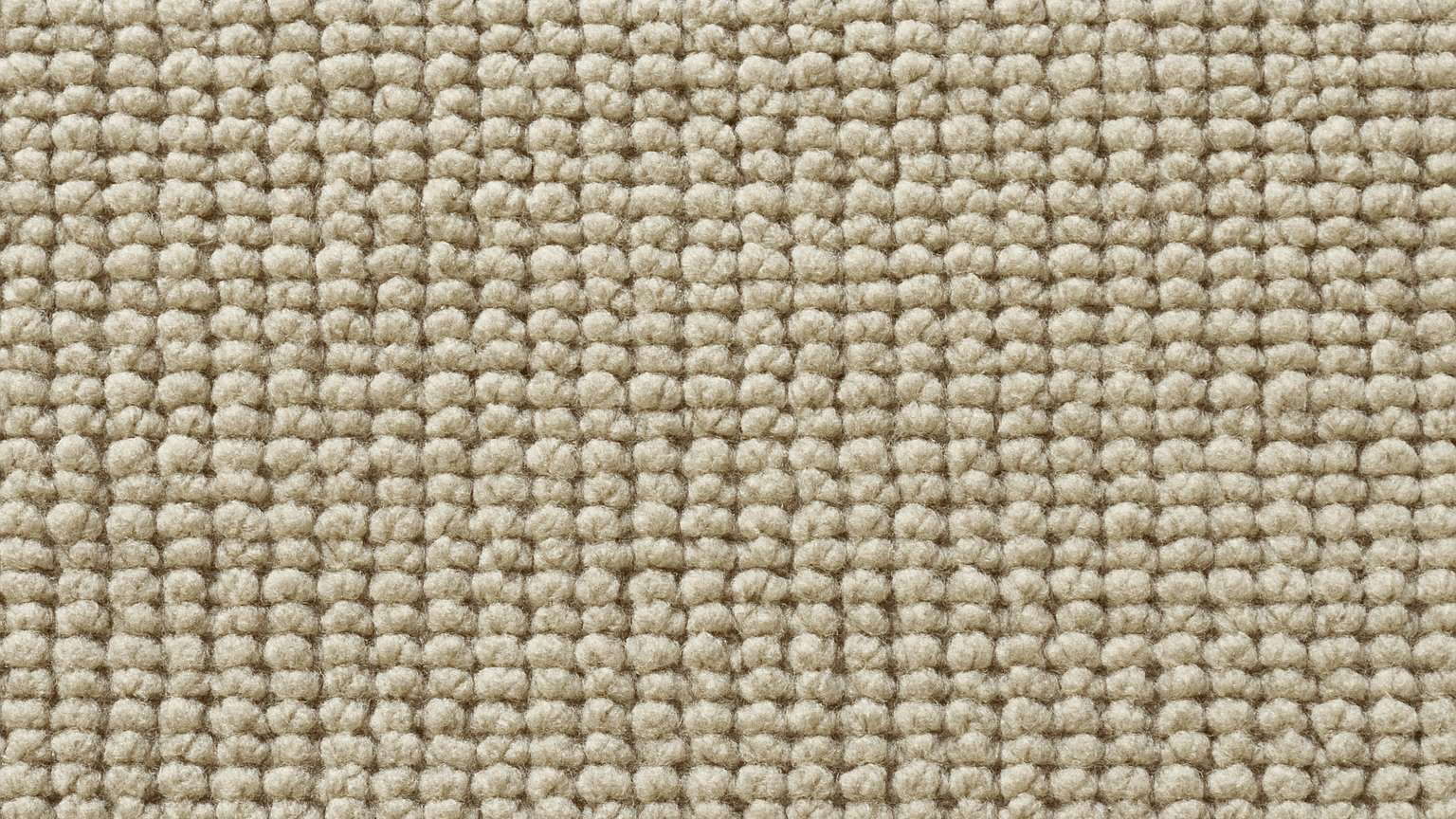
Loop pile carpet is the better pick for high-traffic rooms like stairs, halls, and family rooms, while cut pile wins in bedrooms where softness matters most. The confusion comes from price: people assume loop is cheaper, but the loop itself barely moves the cost. What you actually pay for is fiber and density, and I've walked into houses where getting that wrong left the carpet looking flat and tired inside two years. Picking the best carpet for high-traffic areas usually comes down to that same fiber density more than loop height.
Key takeaways
- Choose loop pile for high-traffic zones (stairs, halls, basements, family rooms, home offices) and cut pile for bedrooms where softness matters most.
- The deciding tradeoff: loop resists crushing and hides traffic lanes, but a pet claw or vacuum beater bar can catch a loop and run it, while cut pile won't snag but shows wear sooner.
- Pile type barely moves the price; fiber (nylon, olefin, or wool) and density are what you actually pay for, so 'loop is cheaper' is really just cheap olefin Berber.
- The ADA (Americans with Disabilities Act) limits carpet pile height to a half-inch or less on accessible routes, according to the Carpet and Rug Institute, and most loop styles sit well under that.
- Skip beater-bar vacuums on loop pile; rebonded foam padding runs about $0.25-$0.80 per square foot in materials per HomeGuide and Angi.
Loop or Cut Pile: Which One Should You Install?
Install loop pile in your busy zones: stairs, halls, basements, family rooms, and home offices. Those loops resist crushing and hide footprints and vacuum marks, so a traffic lane stays looking even. For bedrooms and formal rooms where your bare feet land, go cut pile. It's softer and more cushioned underfoot. Soft bedroom carpet picks matter more for comfort than for wear resistance, since bedrooms see far less foot traffic.
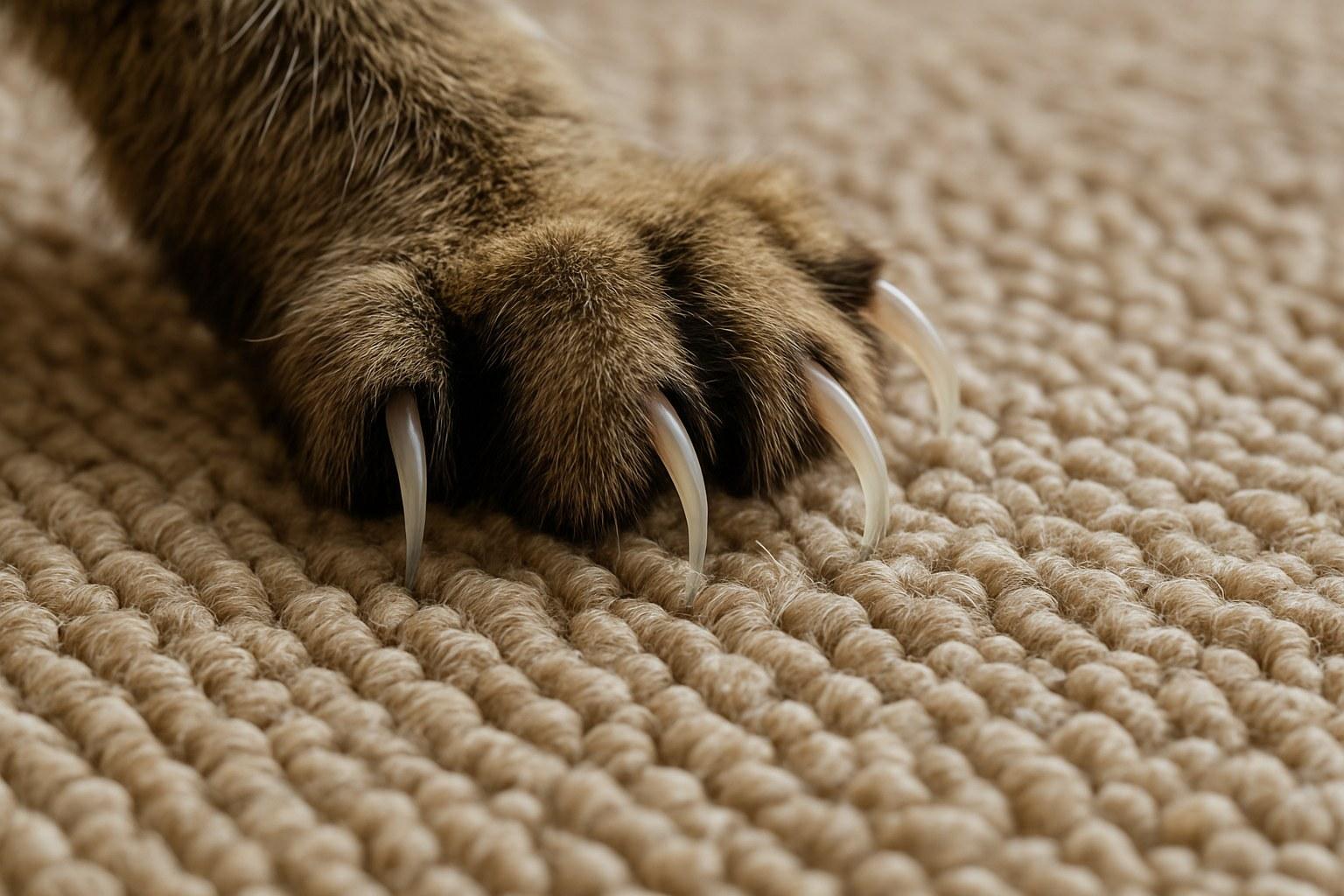
One thing flips that advice. If you have a dog or cat that claws, a single pulled loop can run across the floor like a snag in a sweater. In a clawing-pet home, either skip loop or step down to a tight, low-level loop where the loops sit short and locked, which is harder to catch. The best carpet for cats has to account for that clawing habit specifically, not just loop height.
| Factor | Loop Pile | Cut Pile |
|---|---|---|
| Durability in traffic | Holds up well; loops resist crushing | Crushes and shows wear sooner |
| Snag risk | Can snag or run on claws and beater bars | No loops to catch |
| Comfort underfoot | Firmer, less plush | Softer, more cushioned |
| Hides footprints & vacuum marks | Yes, especially level loop | Shows them more (Saxony, plush) |
| Cleaning | Easier; soil sits near the surface | Traps soil deeper in cut tufts |
| What drives the price | Fiber and density, not the loop | Fiber and density, not the cut |
Loop pile vs cut pile compared across the factors that decide a room.
For the full by-traffic picture, see how to match the right carpet to each room's traffic and budget.
What Loop Pile Carpet Is and How It's Made
Loop pile means the yarn is stitched through a backing and left as uncut loops, so the rounded top of each loop is what your foot touches. Cut pile takes those same loops and shears them into upright tufts. That one difference, cut or uncut, drives everything else. Once you understand that core difference, you can work through loop and cut options room by room with a step-by-step carpet buying guide to decide what belongs where.
Here's the build. The face yarn, the yarn you see and walk on, is tufted, meaning punched through the backing with needles, and left looped. According to the Carpet and Rug Institute's Carpet Primer, that yarn runs through a primary backing, gets locked with an adhesive coat, then gets a secondary backing for stiffness. That locked backing is why loop wears so hard: each loop is anchored instead of standing free.
Pile height matters on accessible routes too. The ADA, the Americans with Disabilities Act, limits carpet pile to a half-inch or less on those routes, according to the Carpet and Rug Institute. Most loop styles sit comfortably under that. That half-inch threshold is one of the clearest lines separating low pile vs high pile carpet overall.
The Loop Types You'll See on the Sample Wall
Level loop keeps every loop the same height for an even, tight surface. Berber uses thicker loops, often with color flecks. Multi-level loop varies the loop heights to form a pattern. The tighter and lower the loop, the better it fights snags and crushing.
The Downsides of Loop Pile Carpet: Snags, Pets, and Pattern Grin
The real downsides are snagging, a firmer feel, and pattern grin. Snagging comes from pet claws, vacuum beater bars, and furniture dragged across the floor, any of which can catch a loop and run it. The feel is less plush than cut pile. And pattern grin is when the backing peeks through as the carpet bends over a stair nose on a Berber.
You can lower every one of those risks. Pick a tight, low-level loop over a loose multi-level one. Choose nylon over olefin, since nylon springs back better. Vacuum with suction only, and put glides under furniture legs.
Where loop ages badly is olefin loop in a sunny room. Olefin doesn't recover from crushing the way nylon does, so a sunlit family room in cheap Berber can look tired fast. Set that expectation before you buy.
On the pet-claw fear specifically: it's real, but it's about the loop height and fiber, not loop pile as a whole. A short, dense, nylon level loop is a world apart from a loose Berber for standing up to claws.
Is Loop Pile Carpet Easy to Clean?
Yes. Loop is one of the easier piles to keep clean because the closed loop surface keeps soil near the top instead of swallowing it deep into cut tufts. But technique matters.
Vacuum with suction only. No beater bar, no rotating brush, both of which fuzz and pull loops. That's the one rule every guide agrees on.
For spots, blot, never rub. Use an enzyme (enzymatic) cleaner, which breaks down the mess, for pet and food stains, and a dry solvent spotter, a cleaner made for oily stains that don't lift with water, like grease, for grease. Don't soak an olefin backing.
For deep cleaning, use low-moisture encapsulation: a cleaning method that uses less water and turns dirt into dry crystals you vacuum away, so the loops aren't left sitting wet. Wool or any natural-fiber loop will need a hidden spot test before you put any cleaner on it, since soaking and strong cleaners can damage natural fibers. I tested a cleaner on a wool loop runner in a Dayton hallway once in a back corner first, and good thing: it dulled the color, and that would have been the whole runner if I'd just gone at it.
What Loop Pile Carpet Costs, and Does Pile Type Change the Price?
Pile type itself barely changes the price. Fiber and density are what you pay for, so "loop is cheaper" is only true because cheap olefin Berbers exist, not because a loop costs less to make than a cut tuft. Put nylon loop next to nylon cut at the same density and the price gap nearly vanishes. The installed price, materials plus labor together, moves with that fiber and density choice, not the loop shape: a tight nylon level loop costs more to buy and install than a loose olefin Berber, loop for loop.
Rebonded foam runs about $0.25-$0.80 per square foot in materials per homeguide.com and angi.com, with pad labor around $0.50-$1 per square foot per angi.com.
| Padding | Materials per sq ft |
|---|---|
| Rebonded foam | $0.25-$0.80 |
| Fiber (jute/felt) | $0.35-$1.25 |
| Memory foam | $0.50-$1.00 |
| Waffle rubber | $0.50-$1.00 |
| Prime foam | $0.25-$1.50 |
Source: homeguide.com and angi.com padding-cost figures
Because the loop shape itself isn't what drives the price, there's no single loop-pile number to quote here, the real range depends on the fiber and density you choose, plus the padding cost above and labor. Stairs and basements always add labor cost over an open room. For the full installed cost per square foot, broken out by fiber and density, see the carpet replacement cost breakdown.
Installing Loop Pile: DIY or Hire It Out?
Stretched-in carpet is not a beginner DIY job the way click-lock vinyl is. It needs tack strips, a power stretcher, and clean seams, and before any of that the subfloor has to be flat and dry, because a hump or a moisture problem under the pad shows through and shortens the carpet's life. A single open room on a flat floor is doable if you rent a stretcher and take your time. Stairs and seamed rooms are where I'd tell most people to hire a pro, since a loose seam or a loop snagged during install becomes a run you can't undo.
Sources
- Selecting the Right Carpet, Carpet and Rug Institute
- The Carpet Primer (PDF), Carpet and Rug Institute
- Finding the Right Carpet for Business, Carpet and Rug Institute
- Facility-Specific Considerations, Carpet and Rug Institute
- SOA Test Carpet Specifications (PDF), Carpet and Rug Institute
- Homeguide.com and angi.com padding-cost figures