
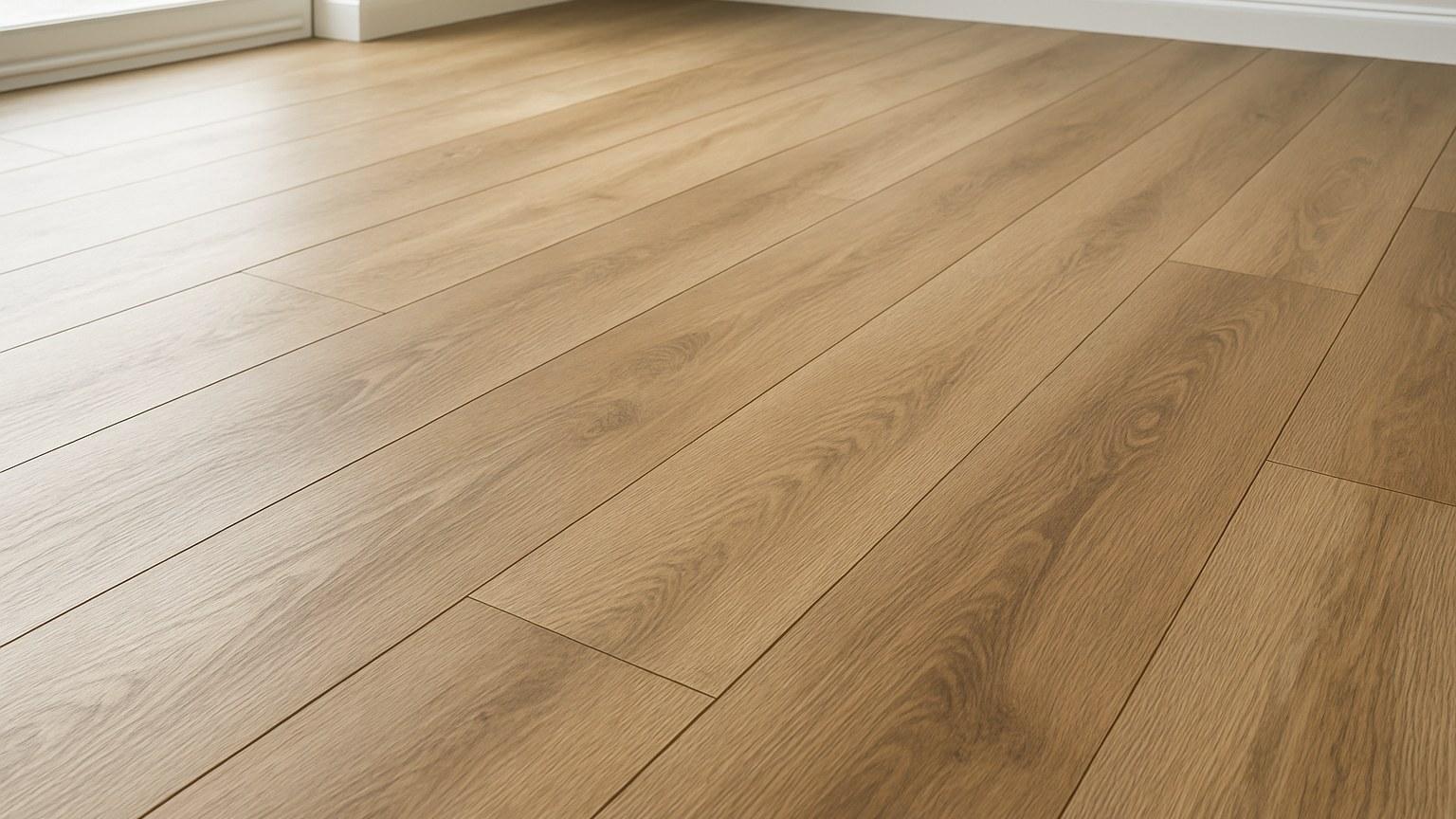
For a basement or kitchen, LifeProof rigid-core is the Home Depot vinyl flooring worth paying for; Home Decorators Collection suits dry mid-budget rooms, and TrafficMaster fits rentals and quick refreshes. The three sit side by side on the shelf but behave nothing alike, and the brand name hides what really decides how the floor holds up. Pick by room, moisture, and wear layer, not the label. Costco's website carries its own selection of Costco luxury vinyl plank that follows this same pattern of a label hiding the real specs.
Key takeaways
- Home Depot sells vinyl under three house labels: LifeProof (premium rigid-core), Home Decorators Collection (mid-range), and TrafficMaster (budget).
- For a basement or kitchen go rigid-core SPC (stone plastic composite) like LifeProof; TrafficMaster peel-and-stick and glue-down tile is for low-moisture, low-traffic rooms.
- Installed cost runs roughly $3-$5 per square foot budget, $5-$8 mid-range, and $8-$13 for premium rigid-core (nedesestimating.com); materials alone range about $1.50-$12.
- A 1,000 square foot floor runs about $3,000-$13,000 installed depending on tier, based on those nedesestimating.com ranges.
- Click-lock LVP (luxury vinyl plank) is realistic DIY, but check subfloor flatness and moisture first, and remember a waterproof core does not mean waterproof seams.
What Home Depot Actually Sells: The Three House Brands
Almost all the vinyl on Home Depot's shelves comes under three store labels: LifeProof (premium rigid-core), Home Decorators Collection (mid-range), and TrafficMaster (budget). Outside factories make them, and you only find these names at Home Depot. Other retailers run the same private-label setup, like NuCore vinyl plank flooring sold through Lumber Liquidators and LL Flooring.
Those three brands come in a few formats, and the format is a separate choice from the brand. In plain words, this is what each one means: National brands outside Home Depot's three house lines, such as Mannington vinyl flooring, split into those same floating, glue-down, and sheet categories.
- Plank is the long board that looks like a wood floor. LVP means luxury vinyl plank, EVP (engineered vinyl plank) means a plank with a rigid core, and SPC (stone plastic composite) is the densest, stiffest version of that core.
- Tile (LVT, luxury vinyl tile) is the square or rectangle that mimics stone or ceramic.
- Sheet vinyl rolls out in one wide piece, so a small room can have almost no seams. Many sheet products are manufactured to meet ASTM F1303, the industry specification for sheet vinyl floor covering with backing, which sets minimum requirements for the wear layer and backing construction.
LifeProof leans heavily toward rigid plank and tile. Home Decorators Collection is mostly floating click-lock plank. TrafficMaster is where you find the cheap glue-down tile, peel-and-stick squares, and sheet goods. Karndean vinyl flooring follows that same rigid-plank-and-tile split, just sold outside Home Depot's three house brands.
If you're doing a kitchen or bath and want to skip seams, sheet vinyl in a wide roll can cover the whole floor in one shot. That's a width question worth sorting first.
| Brand | Tier | Typical format | Aimed at |
|---|---|---|---|
| LifeProof | Premium | Rigid-core SPC plank and tile (many with attached pad) | Basements, kitchens, high-traffic rooms, buyers who want the strongest water tolerance |
| Home Decorators Collection | Mid-range | Floating click-lock LVP | Living rooms, bedrooms, hallways on a middle budget |
| TrafficMaster | Budget | Glue-down and peel-and-stick tile, thin plank, sheet | Rentals, low-traffic rooms, small quick refreshes |
Home Depot's three house vinyl brands, their usual formats, and the rooms each is built for.
LifeProof, Home Decorators Collection, and TrafficMaster Decoded
The label tells you the price tier. It doesn't tell you how the floor will hold up. For that you look at three things on the specific product: the wear layer thickness in mils (a mil is one-thousandth of an inch, and it's the clear top coat that takes the scuffs), whether the core is stiff SPC or softer WPC (wood polymer composite), and whether it carries a FloorScore mark. FloorScore is an indoor-air-quality certification that means the plank was tested for low chemical fumes. CoreLuxe rigid vinyl plank uses that same SPC-versus-WPC core distinction when it's sold through Lumber Liquidators.
Warranty length and expected lifespan are the other piece of that decode, and they shift with the tier too. LifeProof, Home Decorators Collection, and TrafficMaster each publish their own warranty on their own product page, there's no single blanket term that covers the whole lineup. Read the warranty card for the exact plank you're buying, because it tracks that product's wear layer and core, not the house-brand name by itself. LifeProof carries that same brand name over to carpet too, and how Lifeproof carpet holds up over time breaks down whether it earns the name on that side of the lineup as well.
A few SKUs across the lineup also add Microban antimicrobial protection, a surface treatment built in at the factory to resist bacteria and mold growth. It's a nice extra in a kitchen or bath, but it isn't on every plank, so check the label if it matters to you. Shaw FLOORTE luxury vinyl plank lines publish their warranties that same product-specific way rather than one blanket term.
LifeProof: Rigid-Core SPC for the Rough Rooms
LifeProof is built on SPC, which stands for stone plastic composite. In plain terms that's a dense limestone-and-plastic core that doesn't swell or flex. Many LifeProof planks also ship with an attached IXPE pad, a thin foam backing bonded to the plank. SPC is just one of three rigid-core builds out there, and the rigid core vinyl plank flooring guide breaks down how WPC and MgO cores compare to it.
That attached pad matters for install: if the product already has one, adding a second underlayment will forfeit the warranty. Whether you need any pad at all depends on that product's own instructions and the subfloor it sits on. LifeProof draws that line especially sharply in its own warranty terms, and the LifeProof underlayment warranty guide spells out exactly when adding a pad helps and when it voids coverage.
LifeProof markets a waterproof core, which I'll address in detail: what it does and doesn't actually mean. If you want to see how a Home Depot rigid core measures up against a name-brand one, which COREtec line actually holds up in your room breaks down the other heavy hitter in this category.
Home Decorators Collection: Mid-Range Looks
Home Decorators Collection is floating click-lock LVP sold mostly for the look. The wear layer tends to run thinner than most LifeProof planks, so it's priced for bedrooms, living rooms, and hallways rather than rooms that get soaked or scraped daily.
It installs the same way as LifeProof, snapping edge to edge over the subfloor. Just read the mil number on the exact plank before you buy, two planks under the same brand can carry different wear layers.
TrafficMaster: Budget and Low-Traffic
TrafficMaster is the budget line, with a thin wear layer and a lot of peel-and-stick and glue-down options. Its best use is honest and narrow: low-traffic, low-moisture rooms, rentals, and a quick refresh you don't plan to keep for 20 years.
Put a thin TrafficMaster tile in a busy kitchen and you'll be looking at worn spots and lifting corners sooner than you want.
Which Home Depot Brand for Which Room
Match the brand to the room's moisture and traffic, not to the showroom display. These are the rooms people ask about most, and how the three brands sort out across them. Home Depot is only one stop on that list, and best places to buy vinyl flooring ranks how the other retailers stack up before you settle on one.
Basement: Rigid-Core SPC for Moisture and Traffic
A basement runs over concrete, and concrete gives off moisture. Rigid-core SPC like LifeProof handles that better than thin plank or glue-down tile, because the core itself doesn't swell. How long that basement floor actually holds up over time comes down to nine factors covered in this guide to what makes vinyl flooring last.
But no plank fixes a wet slab. Test the concrete for moisture before anything goes down. On basement jobs that's the step I never skip, because a slab that reads high on my meter will push moisture up under a floating floor no matter how good the plank is. The floor isn't what fails, the subfloor underneath is.
Kitchen: Waterproof Core and Fast Cleanup
A waterproof-core plank wipes clean and shrugs off everyday splashes, which is why LVP beats most other floors in a kitchen. The weak spot isn't the plank face. It's the seam right in front of the sink and dishwasher.
That's where a slow leak sneaks down between planks. A tighter-locking rigid plank closes those seams better than a loose budget click floor.
Bathroom: Where the Seams Decide It
The bathroom is the smallest room and the one where seams decide everything. Water has nowhere to go but down into the joints. Sheet vinyl, with few or no seams, or a tight rigid plank with a bead of silicone run around the edge, beats a loose click floor here.
Waterproof vs Water-Resistant: What the Labels Mean
This is the line that trips up the most shoppers, so read it slowly. A vinyl box marked "Waterproof" indicates the plank material. It does not describe the seams between planks, and it does not describe the room.
Water can still work down through the seams of a floating floor, move to the perimeter, and rest on the subfloor below. The core stays fine while the subfloor rots. That's why I separate a waterproof core from water-resistant seams. The core claim is real but narrower than the box makes it sound.
What Home Depot Vinyl Flooring Costs Per Square Foot
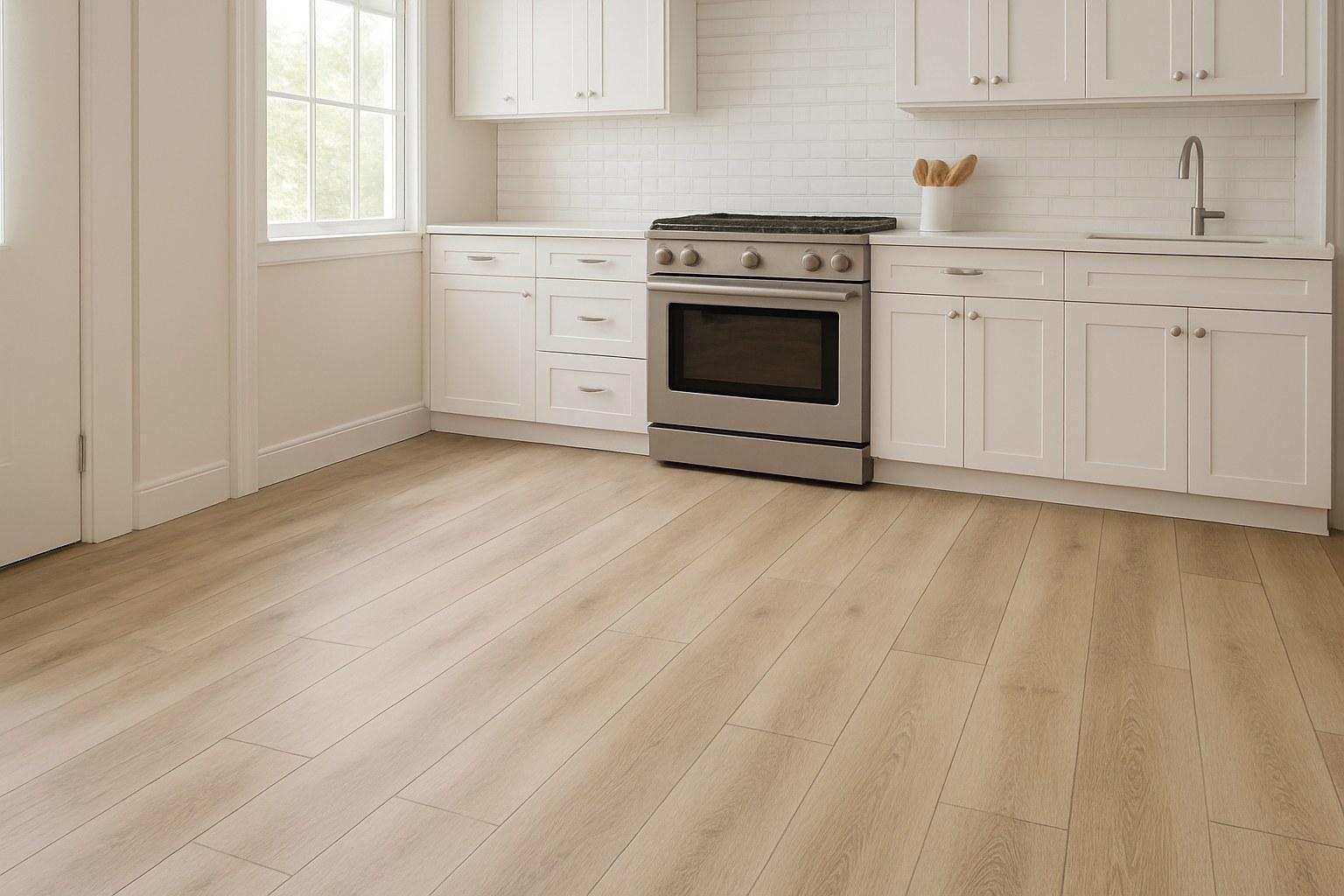
Materials and labor are two separate numbers, and it helps to see them apart. Materials by tier run about $1.50-$3 for entry plank, $3-$5 for mid-range LVP, and $6-$12 for rigid-core SPC or WPC per square foot, according to nedesestimating.com and carpetexchange.com.
Labor for a basic open room runs roughly $1.50-$5 per square foot, with nedesestimating.com, carpetexchange.com, and rightstepflooringnc.com each citing figures across that range depending on install type and market. Basements and stairs cost more than an open living room, because of the extra cuts, the prep, and the awkward access. I learned to quote a basement higher than a bedroom of the same size for exactly that reason.
| Tier | Materials | Labor | Installed |
|---|---|---|---|
| Budget | $1.50-$3 | $1.50-$4 | $3-$5 |
| Mid-range LVP | $3-$5 | $2-$5 | $5-$8 |
| Premium rigid-core (SPC/WPC) | $6-$12 | $2-$5 | $8-$13 |
Source: nedesestimating.com's 2026 vinyl plank estimates
Installed vinyl plank cost per square foot by tier.
Clearance and discontinued lots can drop that materials number well below shelf price, as long as you can live with a one-time run and buy enough up front. If that's your route, where to find discontinued vinyl flooring for sale walks through the outlets worth checking.
Total Project Cost: 100 to 1,000 Square Feet
The math is simple. Total cost equals your floor area times the installed rate for your tier. Measure the room, then add about 10% for waste and cuts before you multiply, because every room needs trimmed pieces around the edges.
Walk through one worked example end to end: a 12x12 room is 144 square feet. At a mid-range installed rate of $5-$8 per square foot, that lands around $720-$1,152. Swap in your own square footage and tier and the table below does the rest.
| Size | Budget ($3-$5) | Mid-range ($5-$8) | Premium ($8-$13) |
|---|---|---|---|
| 100 sq ft | $300-$500 | $500-$800 | $800-$1,300 |
| 144 sq ft (12x12) | $432-$720 | $720-$1,152 | $1,152-$1,872 |
| 500 sq ft | $1,500-$2,500 | $2,500-$4,000 | $4,000-$6,500 |
| 1,000 sq ft | $3,000-$5,000 | $5,000-$8,000 | $8,000-$13,000 |
Installed vinyl cost by floor size and tier, before the roughly 10% you add for waste.
How Much Does 1,000 Square Feet of Vinyl Cost?
A 1,000 square foot floor runs about $3,000-$5,000 installed at the budget tier, $5,000-$8,000 mid-range, and $8,000-$13,000 for premium rigid-core. The spread is wide because the tier, not the square footage, is what moves the number most at that size.
DIY or Hire: Which Home Depot Vinyl You Can Lay Yourself
Before a single plank goes down, two checks come first no matter who does the work: the subfloor has to be flat, and it has to be dry. Most floating floors only last as long as the prep under them, and the maker's warranty quietly hinges on that flatness and moisture control, not on the plank you picked.
A high or low spot telegraphs through a floating floor, and the planks click apart over it. Check flatness with a long straightedge, and on concrete run a moisture test before you order anything.
Click-lock LVP, the kind Home Decorators Collection and a lot of LifeProof sell, is realistic for most DIYers. The planks snap together, you cut them with a utility knife and a square, and a spare weekend gets a bedroom done.
Every floating floor also needs an expansion gap around the edge of the room so it can move. The exact size comes from that product's instructions, not a number someone passed around online, so look it up on the box.
Where I'd hire out: glue-down installs, stairs, and large open-plan floors that cross from a dry room into a kitchen or bath. Glue-down is unforgiving once the adhesive grabs, stairs need tight custom cuts on every tread, and a big open floor with a moisture transition is where seams and gaps go wrong. Those are the jobs worth paying a pro for.
Sources
- ASTM F1303: Standard Specification for Sheet Vinyl Floor Covering with Backing
- Nedesestimating.com's 2026 vinyl plank estimates