
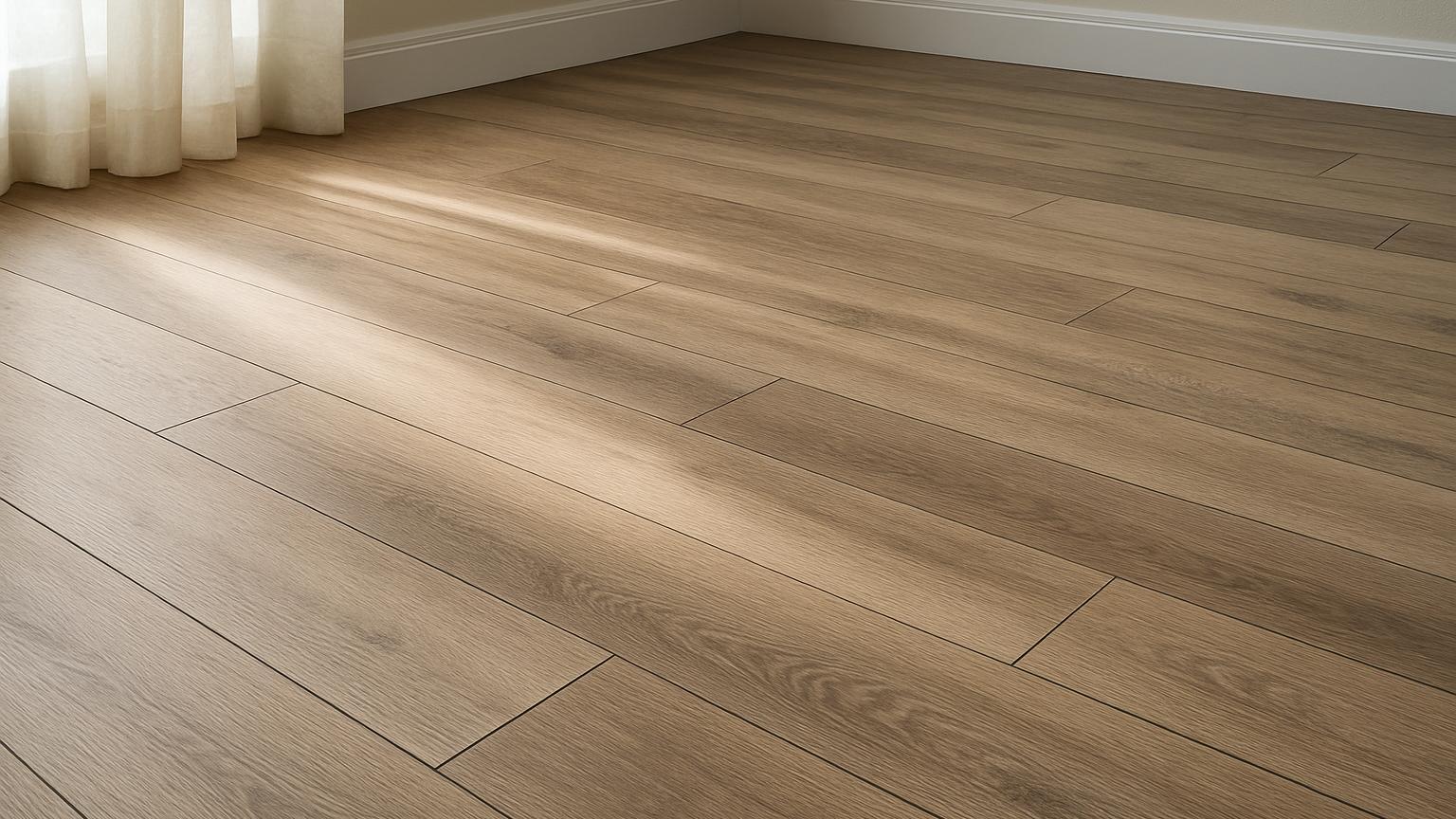
Floorte is Shaw Industries' family of waterproof floors, mostly rigid-core vinyl plank, not one product or a quality grade. That trips up shoppers, because the collection names keep retiring while the planks under them barely change. Judge the plank by its core and wear layer, not by the label on an old showroom sample.
Key takeaways
- Floorte is Shaw Industries' family of waterproof floors, mostly SPC (stone plastic composite) and WPC (wood plastic composite) rigid-core vinyl plank, not a single product or a quality grade.
- SPC cores are harder and more forgiving over imperfect subfloors; WPC is softer and warmer underfoot but dents a bit easier.
- Material runs roughly $1.89-$5 per sq ft depending on collection (per reallycheapfloors.com and dgfloors.com), with install labor added on top.
- "Waterproof" describes the plank core, not the seams or perimeter, so spills can still run past the edges and sit on the subfloor.
- The old Pro, Classic, and Transition names are retiring, so match the tier by its core type and wear layer, not the label on an old sample.
What Floorte Flooring Is: Shaw's Waterproof Family, Not One Product
Floorte (Shaw styles it "Floorté") is the brand name Shaw puts on its waterproof floors. Most of that lineup is rigid-core vinyl plank in two flavors, SPC (stone plastic composite) and WPC (wood plastic composite), with some waterproof engineered hardwood and wall tile wearing the same name.
So when you see "Shaw Floorte," "Shaw Floorte LVP," "Shaw luxury vinyl plank flooring," or just "Floorte flooring," those all point at the same family. None of them is a single plank you can walk in and buy. They're a shelf, not a product.
Shaw is one of the largest flooring makers in the country, and it also owns names like Karastan and COREtec. Floorte is Shaw's own in-house rigid-core answer to the competition, including the COREtec line it bought. If you're cross-shopping Shaw's own rigid-core products, the Shaw Pantheon HD Plus line sits in that same world. Among the COREtec colors Shaw inherited, the Coretec Cairo Oak plank remains one of the most requested by name.
And yes, to answer the question straight: Floorte is a Shaw product. It's Shaw's brand, made and warrantied by Shaw.
SPC vs WPC: What's Inside a Floorte Plank, and How It Beats Generic LVP and Laminate
A Floorte plank is built in layers. On top sits a clear wear layer, the skin that takes the scratches and scuffs. Under that is the printed design layer, the photo that gives the wood or stone look. Below that is the rigid core, the stiff body that keeps the plank flat. Many planks also ship with an attached foam pad on the bottom for sound and feel. French oak is one of the most common photographs used for that design layer, including the look sold under names like Malibu Wide Plank's French oak collection.
The core is where SPC and WPC split apart.
SPC stands for stone-plastic composite. It's harder and denser, which makes it more forgiving over a subfloor that isn't perfectly flat or is hard underfoot. WPC stands for wood-plastic composite. It's softer, warmer, and quieter to walk on, but it dents a little easier under heavy point loads like a fridge leg or a dropped tool. Other rigid-core brands split the same way, including Nucore's vinyl plank flooring, which offers both SPC and WPC builds depending on the collection.
Both beat generic flexible LVP in one way that matters: a thin, bendy vinyl plank needs a flatter subfloor, because it telegraphs every bump underneath. Laminate is a different animal. Its core is wood fiber, and if water gets into that core it swells and the edges puff up, which is why Floorte's plastic core is the safer pick in a bathroom or laundry.
The tradeoff runs both ways, though: laminate usually gives a more realistic wood-grain look and costs less than rigid-core vinyl, so it still wins in a dry room where looks and budget matter more than water tolerance. For the full room-by-room call between the two materials, see our breakdown of vinyl vs laminate by room. That's the same logic I walk Dayton homeowners through when they ask which rooms laminate flooring actually works in.
One thing worth keeping in mind: a floating floor's durability depends on the prep and moisture control beneath it. The manufacturer's warranty actually depends on a flat, dry subfloor, not on which plank you choose. And because so many Floorte planks already have that pad attached, laying a second underlayment under them can void the warranty. Check the product's own instructions before you add anything.
The Collection Shuffle: Pro, Classic, Transition, and the New Names
Here's the confusing part: Shaw is retiring the old Floorte Pro, Classic, and Transition collection names. That means an old sample board in a showroom drawer may not match anything in current stock.
So don't shop by the collection name. Match by the specs that actually matter: the core type (SPC or WPC), the wear layer on that exact product, and the locking system. Two planks with different names and the same specs will perform the same. Those abbreviations and numbers stamped on the box aren't random filler, and knowing what each one measures, like wear layer mils or core type, is what lets you compare two planks honestly, which is exactly what our breakdown of every acronym and spec on the LVP tag walks through.
| Collection | What it was | Where it stands |
|---|---|---|
| Floorte Pro | Rigid-core SPC/WPC vinyl plank, mid-to-upper range | Name retiring; sold under numbered Series (5, 6, 7) |
| Floorte Classic | Entry-to-mid rigid-core vinyl plank | Name retiring |
| Floorte Transition | Budget rigid-core line | Name retiring |
| Floorte Innovations | Design-forward rigid-core plank | Name retiring |
Floorte collection names and their current status.
Shaw Floorte Pro (and the 5, 6, 7 Series)
Floorte Pro was the mid-to-upper rigid-core line. As the Pro name winds down, Shaw sells those planks under numbered Series instead, like Series 5, 6, and 7. Higher numbers generally mean a thicker, more durable build, but confirm the wear-layer figure on the specific product before you assume.
Floorte Classic Series
Classic sat at the entry-to-mid level. It's a lighter-duty rigid-core plank, fine for bedrooms and low-traffic rooms. This name is retiring too, so expect the same planks to show up under current naming. Since bedroom floors see light traffic, the bigger factors behind what decides vinyl flooring's lifespan end up mattering more here than the collection name ever did.
Shaw Floorte Foresta
Foresta is one of the collections you'll still see searched by name. Like the rest of the family, it's a rigid-core Floorte product, so judge it by its published core type and wear layer rather than the name alone.
Which Shaw flooring was discontinued?
The Pro, Classic, Transition, and Innovations collection names are the ones winding down, along with specific colors inside them. If you're chasing a retired Floorte color to match an existing floor, your best shot is an overstock or closeout seller. Our guide to finding discontinued vinyl flooring for sale covers where those planks turn up.
Is Shaw Floorte Waterproof? What the Claim Covers at the Seams
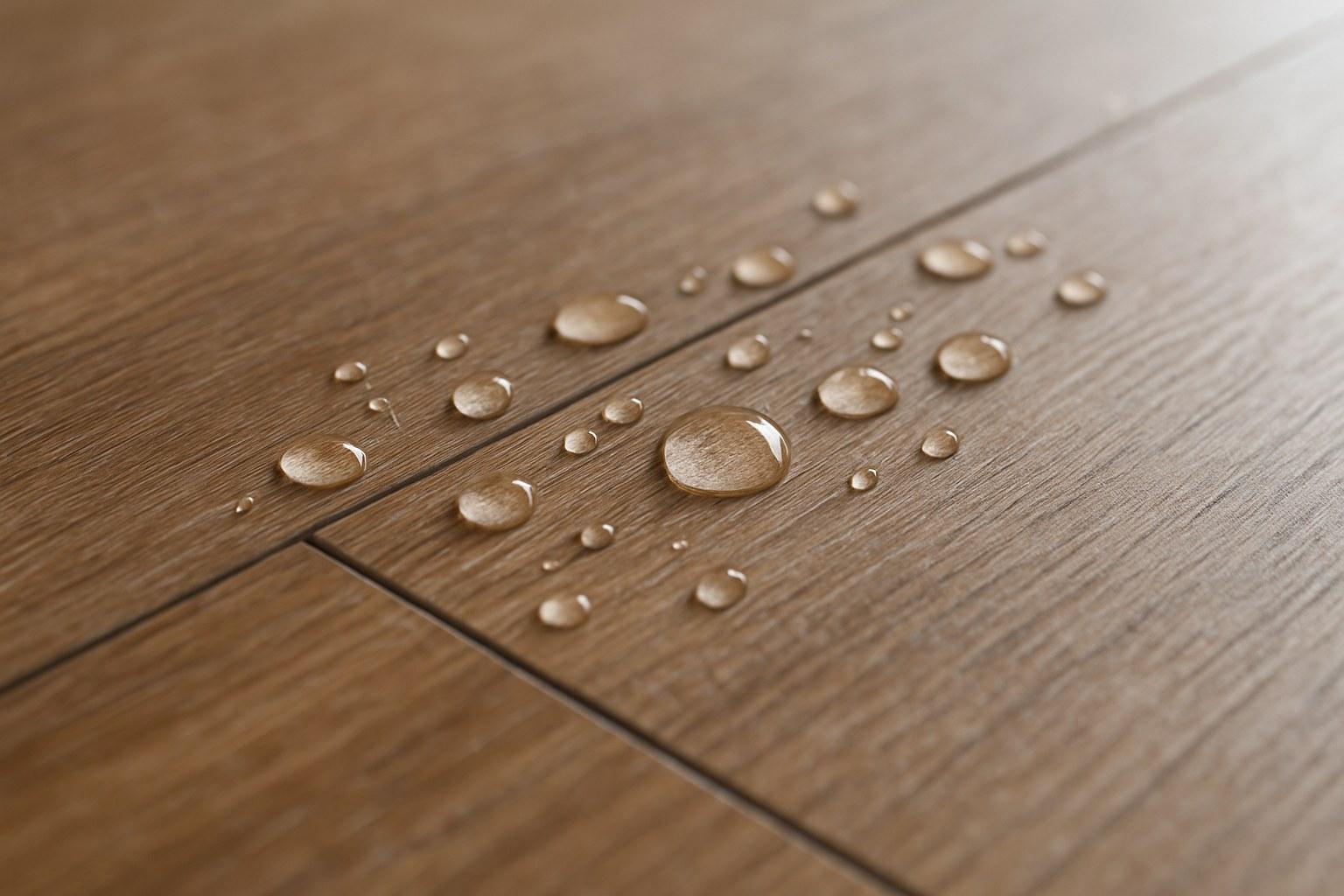
Yes, Shaw markets its Floorte rigid-core planks as waterproof. But that word describes the plank core, not the seams and not the room. The plastic core won't soak up water and swell. Water can still run through a click seam or down the perimeter expansion gap and pool on the subfloor underneath.
That's the gap shoppers miss. The plank survives, but trapped water under a floating floor doesn't dry out, and that's where mold and odor start. Waterproof means the core won't absorb water. It does not mean water can't get past the seams and sit on your subfloor.
I got called to a finished basement near Dayton where the planks looked perfect but the room smelled sour. A slow washer leak had crept under the floor at the wall and sat there for weeks. The vinyl was fine. The subfloor and the smell were not.
So treat a floating floor as what it is, never a sealed tray. Wipe spills fast, pay extra attention to the perimeter in wet rooms, and get a leak dried out before you decide the floor is to blame.
One more quality marker worth checking: many Floorte lines carry FloorScore, a certification for low indoor-air emissions (low VOCs). Don't assume every product in the family has it, though. Look for it on that specific product's spec sheet.
What Floorte Costs: Materials vs Labor
Floorte material runs roughly $1.89 to $5 per square foot depending on the collection, with labor added on top. The budget end starts with planks like Pro Series 3 Impress Plus, and the step-up collections like Nobility sit higher.
| Collection | Material per sq ft |
|---|---|
| Pro Series 3 Impress Plus | $1.89 |
| Pro Series 3 Beyond | $1.99 |
| Pro Series 6 Vigorous | $2.49 |
| Shaw Floorte (range across lines) | $2.50-$5.00 |
| Nobility | $3.99 |
Source: reallycheapfloors.com and dgfloors.com
Floorte material-only prices per square foot by collection, per reallycheapfloors.com and dgfloors.com.
Now the parts the material price leaves out. General flooring install labor runs $0.60 to $4 per square foot, according to bestcompany.com. If a product needs separate underlayment, yard-compass.com puts that at $0.30 to $1.25 per square foot. Transition strips at doorways and room edges run $1 to $5 per linear foot, per angi.com.
So for the common 2,000-square-foot question: material lands around $3,800 to $10,000, and labor adds roughly $1,200 to $8,000 on top. That's a wide spread because a simple open room is cheap to lay, while basements and stairs cost more per foot for the fiddly cuts and prep.
On DIY versus hiring: click-lock Floorte, planks that snap together and float over the subfloor without any glue, is realistic for most patient homeowners to install themselves over a flat, dry subfloor. Where I'd tell you to call a pro is glue-down product, stairs, and big open-plan floors that cross from a wet room into living space, because those are where a small mistake turns into a floor that fails.
Where to Buy Floorte Beyond Shaw's Dealers
Shaw's dealer network carries the full current line, and that's where you get the right warranty paperwork and install help. But you can also find Floorte for less. Discount and overstock outlets like reallycheapfloors.com carry select current colors and retired ones, and some big-box and specialty stores stock a handful of lines. If you're weighing dealers against big-box stores and online sellers more broadly, our rundown of where to buy vinyl flooring lays out what each actually gets you.
If you're buying a large job, a bulk source can cut the per-foot price, but confirm what you're getting. Our wholesale vinyl plank flooring guide covers how to buy in volume without ending up with an unbranded lookalike sold as the real thing.
Whoever you buy from, check four things before you pay: the FloorScore certification on that product, the wear-layer spec for that exact plank, matching lot numbers across all the boxes so colors and sizes line up, and the return policy in case a box is short or damaged. Genuine Floorte comes with Shaw's warranty documents. No paperwork is a red flag.
Is Pergo Luxury Vinyl Plank Good?
Yes, Pergo's luxury vinyl plank is solid flooring, as long as you judge the exact product line rather than the brand name alone. Pergo builds its rigid-core planks the same way Shaw builds Floorte: a wear layer on top, a printed design layer, and an SPC or WPC core underneath. That means the same rules apply here too. A denser SPC core handles a less-than-flat subfloor and heavy traffic better, while a WPC core feels warmer and quieter underfoot but dents easier under something like a fridge leg or a dropped tool.
Don't take "waterproof" at face value across the whole Pergo lineup, either. The core on a given Pergo plank may resist water, but the seams between planks are still the weak point, same as any floating floor. Check the wear-layer thickness and the warranty on the specific Pergo product you're buying, since those numbers change line to line and aren't the same across the whole brand.
Sources
- National Wood Flooring Association (NWFA): Use Real Wood
- NWFA technical resource on wood flooring
- ASTM technical paper on flooring materials
- Reallycheapfloors.com and dgfloors.com