
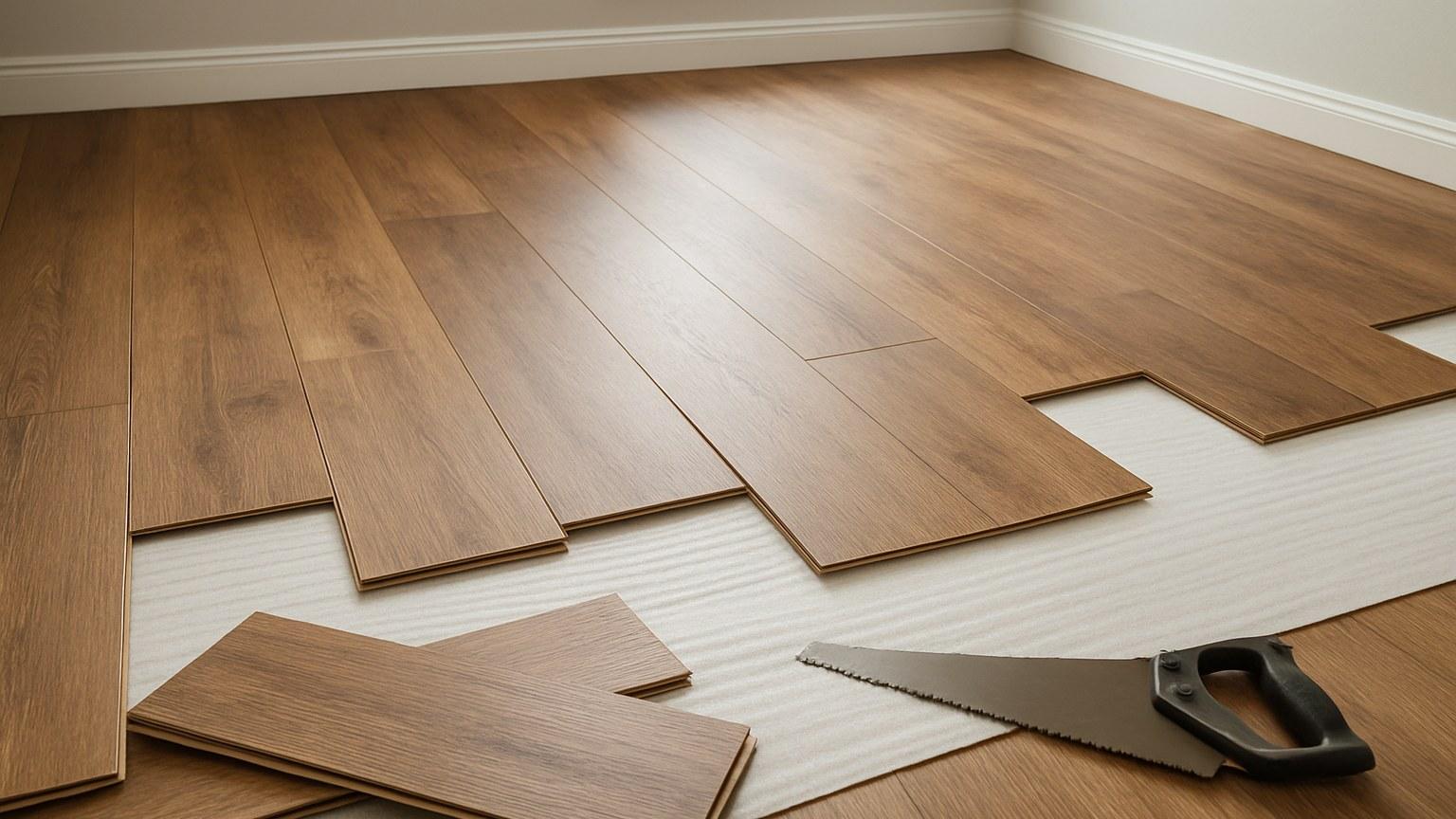
LVP (luxury vinyl plank) flooring cost runs roughly $4.50 to $12 per square foot installed, split into about $2.50 to $7 for the material and $2 to $5 for labor, according to estimators.us. Other guides split the same job by quality tier instead of by total, and the tier cutoffs vary from one estimator to the next. Those numbers aren't fighting each other; they're answering different questions, which is why the same plank can look like a $3 floor on one page and a $10 floor on the next.
Key takeaways
- LVP (luxury vinyl plank) runs about $2.50-$7 per sq ft for material and $2-$5 for labor, for a total installed price of roughly $4.50-$12 per sq ft, per estimators.us's 2026 estimate.
- A 1,000 sq ft floor lands near $4,500-$12,000 installed, and a 2,000 sq ft house near $9,000-$24,000, before you add removal and subfloor prep.
- Hidden costs other quotes skip: carpet removal $0.50-$1.50 per sq ft (projectcalcs.com), old floating vinyl removal $1-$1.50 (dropcurb.com), a poly moisture sheet $0.25-$0.75 (apollotile.com), and subfloor prep $4.13-$6.33 (homewyse.com).
- SPC (stone plastic composite) and WPC (wood plastic composite) cores cost about the same by material, $3-$6.50 vs $3.50-$7 per sq ft (estimators.us), so pick the core by the room, not the price.
- Wear layer thickness is the main price driver, and cost per year drops the longer that layer lasts, which is where LVP differs from refinishable engineered wood (NWFA Life Cycle Cost Analysis).
What LVP Flooring Costs per Square Foot
Material runs about $2.50 to $7 per square foot, labor about $2 to $5, and the total installed price lands around $4.50 to $12 per square foot, per estimators.us's 2026 estimate. Your pick of tier and the shape of the room push you up or down inside that band, which is what the next few sections sort out.
Other guides look like they argue with each other for one simple reason. Some quote material only. Some quote the floor fully installed. They rarely say which, so the same floor can read as a $3 number on one page and a $10 number on another.
Where you land also depends on the room. Basements and stairs cost more per square foot than an open living room, because stairs are slow hand-cutting work and basements usually need a moisture sheet and more prep. A whole-house job almost always prices lower per square foot than one small bathroom, because the crew sets up once and keeps rolling. If you're weighing a basement install specifically, vinyl flooring lifespan factors covers the nine variables that decide whether that floor holds up for five years or twenty.
Every figure after this point is labeled the same way, material only, labor, or installed, so you can hold it up against a contractor's quote and see exactly which part of the job that number covers.
| Item | $ per sq ft (low-high) |
|---|---|
| Labor (install) | $2-$5 |
| Material only | $2.50-$7 |
| Total installed | $4.50-$12 |
Material Cost by Quality Tier
For material only, budget LVP runs about $2 to $3 per square foot, mid-range about $3 to $5, and high-end about $5 to $7, per carpetexchange.com. That spread comes down to one thing: how thick the wear layer is. When a clearance sign knocks that price down, the wear layer is still the first thing worth checking against our waterproof vinyl flooring clearance checklist before you buy.
The wear layer is the clear top skin that takes all the scuffing. It's measured in mils, thousandths of an inch, and the maker publishes that number for each product. Thicker costs more. When you compare planks, quote the specific plank's own mil rating rather than some industry average, because two floors at the same price can carry very different wear layers. Lighter finishes, like light oak vinyl plank flooring, tend to hide everyday scuffs better than dark tones, so it's worth weighing color alongside the mil rating.
Match the tier to the room:
- Budget suits rentals, closets, and rooms nobody walks through much.
- Mid-range handles living rooms, bedrooms, and hallways.
- High-end buys the thicker wear layer you actually want under a kitchen's chair legs and dropped pans.
| Tier | Material only | Realistic for |
|---|---|---|
| Budget | $2-$3 | Rentals, closets, low-traffic rooms |
| Mid-range | $3-$5 | Living rooms, bedrooms, hallways |
| High-end | $5-$7 | Kitchens and high-traffic rooms, thicker wear layer |
One more way to think about the high-end price: the National Wood Flooring Association's Life Cycle Cost Analysis makes the point that cost per year drops the longer the surface lasts. A thicker wear layer stretches the years, so the pricier plank isn't always the dearer floor over time.
| Flooring type | Installed cost (per sq ft) | What drives its cost per year |
|---|---|---|
| LVP | $4.50-$12 (per estimators.us) | Wear-layer thickness and the specific product's warranty length |
| Engineered wood | Not covered by this guide's pricing research | Wear-layer thickness and how many refinishes it allows |
| Sheet vinyl | Not covered by this guide's pricing research | Material grade and seam-sealing quality |
How LVP, engineered wood, and sheet vinyl compare on the Life Cycle Cost Analysis method: installed cost divided by expected years in service, where the figures exist.
If you want the marketing words sorted out before you shop, read what the label really buys you in "Luxury" Vinyl Flooring: What That Word Actually Buys You, and to see which planks actually earn the high-end price, check 5 Best LVP Floors, Matched to the Room You're Buying For.
SPC vs WPC: Does the Core Change the Price?
Barely. SPC (stone plastic composite) material runs about $3 to $6.50 per square foot and WPC (wood plastic composite) about $3.50 to $7, per estimators.us, so the gap is small enough to ignore when you're choosing.
SPC is a stone-based core. It's denser and harder underfoot, so it shrugs off dents in busy rooms. WPC is a wood-based core, a little softer and warmer to stand on, which feels nicer in a bedroom. Both cores now come printed with wood-look finishes convincing enough that most visitors can't tell plank from hardwood at a glance, which is why it pays to run through our checklist for buying wood-look vinyl flooring before you settle on a core.
Pick the core by the room, not by saving a few cents. In a kitchen or entry where chairs scrape and bags drop, I lean SPC. For a bedroom you pad around barefoot, WPC earns its keep.
One cost trap lives here. Many rigid-core planks come with a pad already attached to the bottom. Adding a second underlayment under that can void the warranty, depending on that specific product's own instructions. Read the sheet before you buy a roll of pad you may not be allowed to use.
Installation Labor: DIY vs Hiring a Pro
Installation labor runs about $2 to $5 per square foot, per estimators.us, and it swings with the layout, the room shape, and how much cutting the job needs. A plain rectangle prices low. A room full of cabinets, closets, and angled walls prices high because every edge is another cut.
Click-lock floating LVP in a square room is realistic for most DIYers, and that's where you delete the labor line entirely and keep hundreds to thousands in your pocket. If you can measure, cut with a utility knife, and keep rows straight, you can lay it. Our start-to-finish installation guide walks through that exact process, from the first row to the last cut.
Hire out three jobs. Glue-down LVP is unforgiving and messy to redo. Stairs are slow, exact hand-work. And a large open-plan floor crossing a moisture transition, like slab to wood, is where seams and expansion go wrong fast. That's where a pro earns the money.
I used to start laying the day the pallet showed up. Then I set a cold-truck delivery straight into a warm house and the whole run opened at the seams within a few weeks as the planks finished shrinking. Now the boxes sit in the room they're going in for as long as the maker's sheet asks, because redoing a finished floor on your own dime stings a lot more than waiting a day or two. If you're weighing this against a cheaper floating floor, our breakdown of vinyl vs laminate, room by room shows where each one actually belongs.
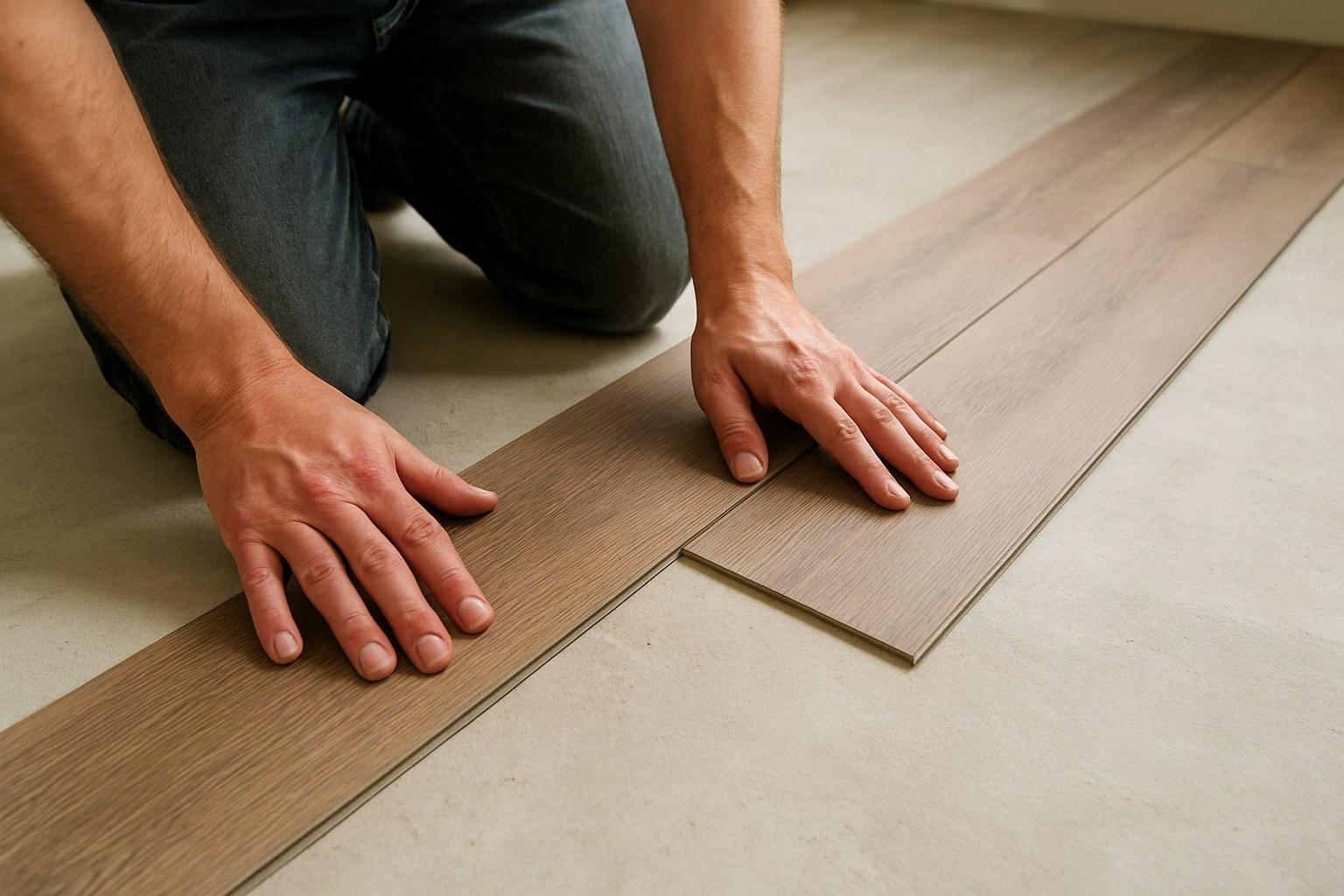
Hidden Costs: Removal, Subfloor Prep, and Moisture Barrier
These are the lines a lowball quote leaves off, and they decide whether your floor lasts or warps. A floating floor only lasts as long as the prep beneath it, and the maker's warranty quietly hinges on that prep, not on the plank you bought.
Here are the real add-ons, each a separate line on top of your material and labor:
| Item | Cost (per sq ft) | Notes |
|---|---|---|
| Carpet removal | $0.50-$1.50 | Old carpet and pad pulled and hauled |
| Old floating vinyl removal | $1-$1.50 | Pulling an existing click floor |
| Polyethylene moisture sheet | $0.25-$0.75 | A thin plastic sheet, common over concrete slabs |
| Subfloor prep / leveling | $4.13-$6.33 | Fixing flatness, labor plus material |
Common hidden LVP costs per square foot. Carpet removal figure per projectcalcs.com, old floating vinyl removal per dropcurb.com, the moisture sheet per apollotile.com, and subfloor prep per homewyse.com.
Before any of that, the subfloor has to be flat and dry. Dry matters because water can sit under a floating floor and feed the plank from below. Flat matters because every hump and hollow telegraphs up through the finished surface, and you feel and hear it with every step.
The flatness check is simple. Lay a long straightedge or level across the floor and watch the line where it meets the surface. A high spot humps up and touches the edge; a low spot shows daylight underneath. Mark those, grind the highs down and fill the lows, then recheck before a single plank goes down. That half-hour of checking is what keeps the prep bill off your warranty.
Total Installed Cost by Room Size
The math is simple once you break it down: square footage times (material plus labor) per square foot, plus about 10% for waste, plus removal, plus any subfloor prep. Written out, it's Area x installed price + 10% waste + removal + prep. That same formula, worked out line by line against real material and labor rates, is the backbone of our LVP flooring cost per square foot guide.
Work one example end to end. A 1,000 sq ft floor at the estimators.us installed range of $4.50 to $12 per square foot comes to $4,500 to $12,000. Add about 10% material waste on the plank cost. Then add removal at $0.50 to $1.50 per square foot, so $500 to $1,500 for carpet, plus any leveling if the floor fails the straightedge check. Swap in your own room's dimensions and material tier, and a flooring calculator for square feet, boxes, and cost runs that same math for you. For clearance stock specifically, that same line-by-line math is what the true cost of clearance vinyl plank flooring walks through in detail.
The table below is pure installed price (material plus labor), before waste, removal, and prep. Read your room off it, then stack the add-ons on top.
| Room size | Low (@ $4.50/sq ft) | High (@ $12/sq ft) |
|---|---|---|
| 200 sq ft | $900 | $2,400 |
| 500 sq ft | $2,250 | $6,000 |
| 900 sq ft | $4,050 | $10,800 |
| 1,000 sq ft | $4,500 | $12,000 |
| 1,500 sq ft | $6,750 | $18,000 |
| 2,000 sq ft | $9,000 | $24,000 |
Installed LVP cost (material plus labor) by room size, using the estimators.us range, before waste, removal, and prep.
Push toward the top of each range when the job is a basement, has stairs, or is chopped up with lots of corners and closets. Slide toward the bottom on a big, open, square floor where the crew lays long uninterrupted rows. The layout you choose, from a plain straight lay to diagonal or herringbone vinyl flooring patterns, also changes how much cutting and waste the crew runs into.
LVP Flooring Cost for 900 Square Feet
Plan on $4,050 to $10,800 installed for 900 sq ft, before waste and removal. A 900 sq ft single floor, like a main level, usually prices toward the lower-middle of that band because it runs as one open area.
LVP Flooring Cost for 2,000 Square Feet
Plan on $9,000 to $24,000 installed for 2,000 sq ft, before add-ons. Material alone for that size sits near $5,000 to $14,000 at $2.50 to $7 per square foot, and the rest is labor.