
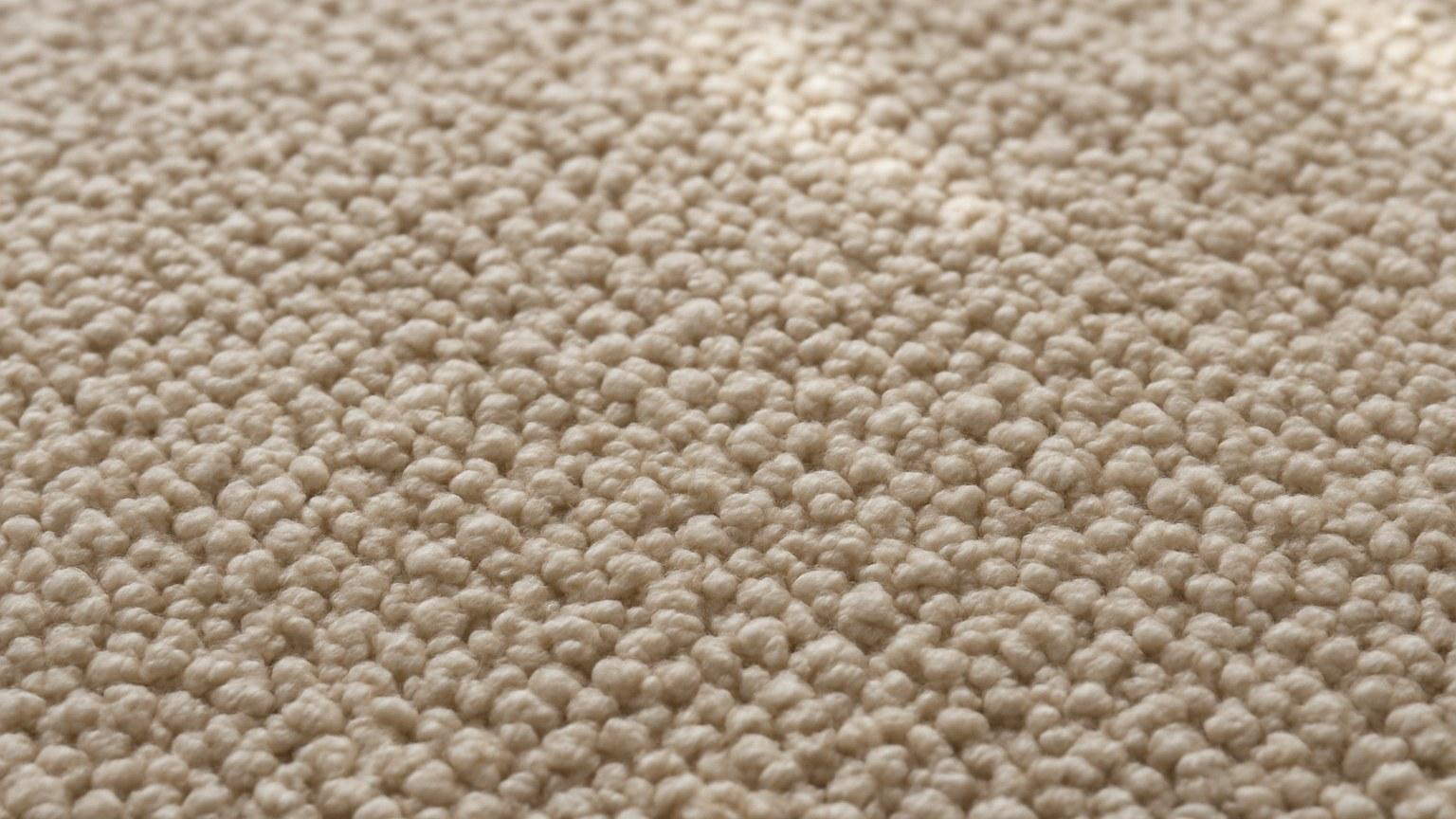
Lifeproof carpet is Home Depot's exclusive house brand, made for them by Mohawk Industries, and the "lifeproof" name is really a stain-resistance promise, not a shield against matting or fading. That gap is where buyers get caught. The fiber keeps one promise well and leaves the other two to traffic and sunlight.
Key takeaways
- Lifeproof is Home Depot's exclusive carpet brand, made for them by Mohawk Industries, not its own factory or fiber.
- The name is about stain resistance, which holds up well; it does not stop matting or fading, which are separate problems that show in traffic lanes and sunlight by year 3 in busy homes.
- carpetreviewed.com puts Lifeproof at $1.90-$4.50 per square foot for carpet materials only and $4-$8 per square foot installed.
- Lifeproof advertises a lifetime stain warranty and a 25-year wear warranty on many collections, but neither covers matting or crushing, and skipping professional install or cleaning records can void them.
- No carpet is truly pee-proof. Stain-resistant fiber still lets urine soak through to the pad and subfloor, so odor comes back no matter the fiber.
What Lifeproof Carpet Actually Is
Lifeproof is not a carpet mill and it is not a fiber. It is a label Home Depot puts on stain-resistant synthetic carpet and sells only through its own stores.
Most Lifeproof carpet is synthetic. Many collections use polyester, also sold as PET, and a few use nylon. The stain treatment is built into the fiber itself, not sprayed on the surface where it wears off, so the color resistance is part of the strand rather than a coating.
The word "lifeproof" is a marketing promise, not a line on a spec sheet. No carpet survives everything for a lifetime, and the name sets a bar the fiber can't fully clear.
Who Actually Makes Lifeproof Carpet?
Mohawk Industries makes Lifeproof carpet for Home Depot. Mohawk is one of the largest flooring manufacturers in the country, so the carpet itself comes off a real production line with a long track record. The Lifeproof name is the retail wrapper on top of that.
Is Lifeproof Only Sold at Home Depot?
Yes. Lifeproof is exclusive to Home Depot, in stores and online. You won't find it at a flooring specialty shop or another big-box retailer, because it is their house brand. That matters when you compare quotes: you can only price Lifeproof against Lifeproof through one source, so line up the carpet's density and fiber against other brands, not just the sticker.
What Colors and Collections Does Lifeproof Offer?
Lifeproof sells several collections in a wide range of neutral and mid-tone colors, which is where most buyers land for a whole-home job. One of the collections is a PetProof line aimed at homes with animals, built around the same fiber-level stain resistance plus a moisture barrier on the backing. Pick the collection by the room's traffic first, then the color. For a broader walkthrough of matching carpet type to each room in your home, our guide to choosing carpet by room breaks down that decision step by step.
Lifeproof Means Stain-Proof, Not Wear-Proof
The name promises a floor that shrugs off everything. A carpet's performance is actually three separate jobs: resisting stains, resisting wear (fibers grinding away), and resisting matting (fibers bending flat). Lifeproof is strong at one of them.
Stains are the strength. The color-resist treatment lives inside the fiber, so most household spills bead up and blot out. That part works, and it keeps working for years. When something does set before you catch it, a stain remover made for carpet fiber will pull more out than a generic household cleaner.
Matting and crushing are a different story. When foot traffic bends the fiber tips over in a walking lane, that lane looks dark and worn even though nothing is stained. The carpet is clean; it just lies flat.
So treat the name as the sales pitch and the fiber as the delivery. Stain resistance is the promise the fiber keeps.
Is Lifeproof Carpet Good Quality? What Owners Report by Year 3
Short answer: it's solid value for a bedroom or a low-traffic room, and weaker in a busy, sunny, pet-heavy house. The stain claims generally hold up. The complaints cluster around matting and fading. For that bedroom specifically, it's worth comparing Lifeproof against other low-traffic bedroom carpet options before you commit to one brand.
On the jobs I've worked, the pattern is consistent. Spills still clean up fine for years. But traffic lanes flatten and sun-facing spots fade by around year 3 in heavy-use rooms, so the stairs and the main hallway go first while the guest room still looks new. Near a sunny window, I've watched the color wash out before the fiber itself wears out. The best fit stays bedrooms and quiet rooms, not the floor your whole family crosses all day. Stairs take that wear fastest of all, which is why carpet for stairs calls for its own choices on pile height and installation, separate from a flat floor.
What matters more than the name is pile density, meaning how densely the fibers are compressed. Throughout my years of experience, the hallway floors that come back looking tired are almost always a tall plush over a thin pad, not a low, dense pile. Density predicts wear better than pile height does, and a low dense pile hides its construction and holds a lane longer than a tall soft one. Weighing low pile against high pile carpet side by side makes that density difference easy to see before you ever set foot on either one in a store.
Fiber type decides the rest. Polyester resists stains well but crushes faster than nylon, so in a heavy-traffic area the fiber under the Lifeproof label is what sets how long it looks new. If your room sees real traffic, look for a nylon collection with high density rather than the softest, tallest option on the rack.
The Warranty Fine Print: Lifetime Stain vs 25-Year Wear
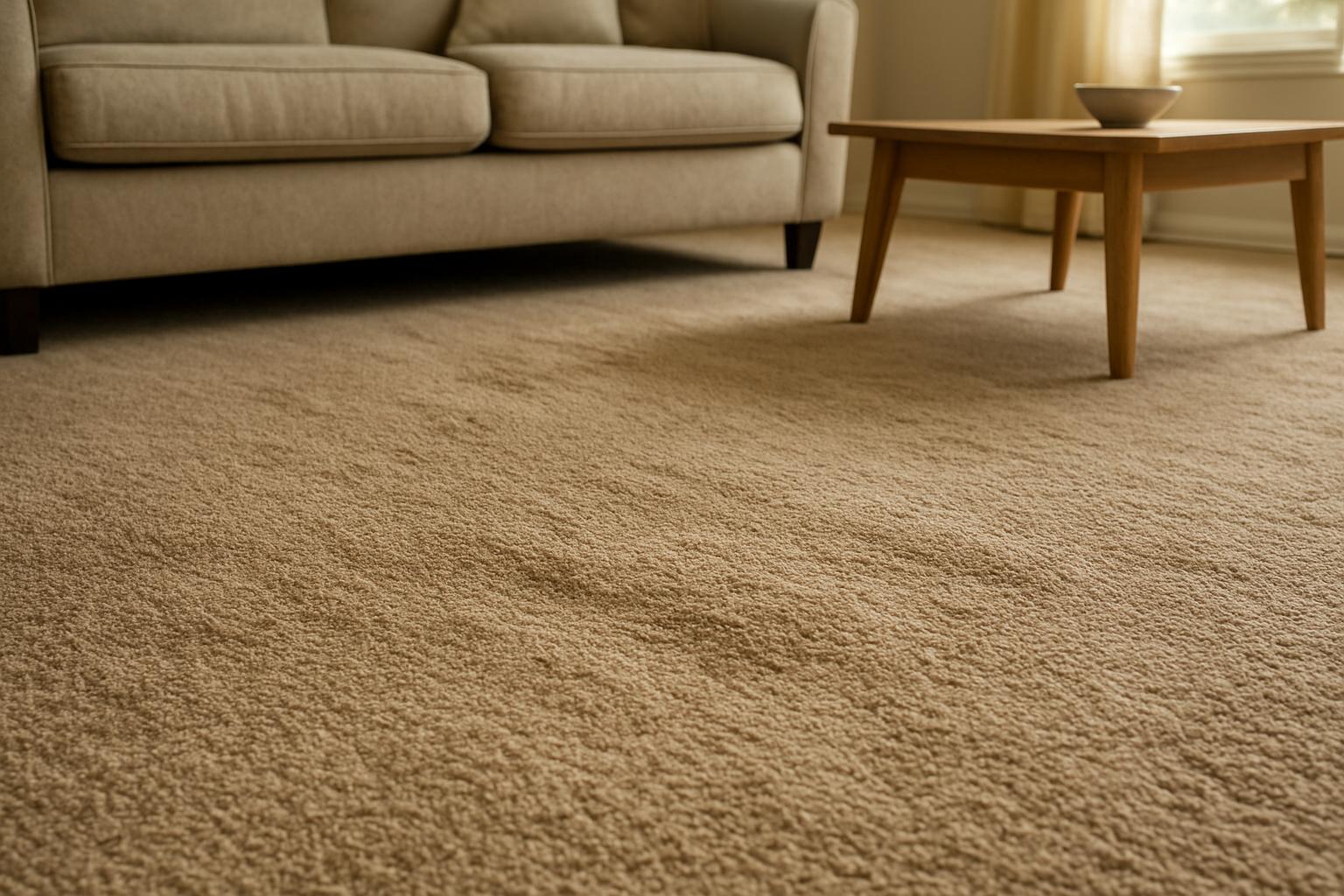
Lifeproof advertises two separate warranties on many of its collections: a lifetime stain warranty and a 25-year wear warranty, sometimes labeled "texture retention", plain words for how well the pile keeps its shape and bounces back instead of flattening under foot traffic. Exact terms vary by collection, so read the sheet for the exact carpet you buy, not a general promise on a banner.
The stain warranty covers permanent color stains from common household spills. It does not cover matting, crushing, or fading, which is exactly where owners run into the most trouble.
The wear warranty covers fiber loss from abrasion, and it is measured strictly. Everyday flattening in a traffic lane is not "wear" under these terms, so a matted hallway usually won't qualify for a claim even though it looks worn to you.
Claims get denied for the same few reasons every time: the wrong padding, no professional installation record, or no proof of regular cleaning. Keep your receipt and your cleaning records from day one, because the warranty quietly hinges on paperwork you have to produce years later.
| Warranty | What it covers | What it does not cover | Common reason for denial |
|---|---|---|---|
| Lifetime stain | Permanent color stains from most household spills | Matting, crushing, fading, and general wear | No proof of regular professional cleaning |
| 25-year wear (texture retention) | Fiber loss from abrasion over time | Everyday matting and flattening in traffic lanes | Wrong padding or no professional install records |
What each Lifeproof warranty covers and the usual reason a claim gets turned down.
What Lifeproof Carpet Costs: Materials vs Installed
Lifeproof carpet materials run about $1.90-$4.50 per square foot, and a full installed job that folds in carpet, pad, and labor runs about $4-$8 per square foot, per carpetreviewed.com.
Padding is its own line item. Standard rebonded foam runs about $0.25-$0.80 per square foot for materials, per homeguide.com, and it matters for more than cushion: the wrong pad can void the wear warranty. If you want to understand that layer before you buy, our carpet padding cost guide breaks down the types and thicknesses.
Stairs and small, cut-up rooms cost more per square foot than one open room, because they take more labor and waste more carpet at every corner and seam. Our carpet-on-stairs cost breakdown shows why a staircase prices out so differently from a bedroom floor.
The installed figure bundles carpet, pad, and labor together, so compare quotes line by line instead of just the bottom number. A low total can hide a cheap pad that costs you the warranty later.
| Cost type | Per sq ft | What it includes |
|---|---|---|
| Lifeproof carpet, materials only | $1.90-$4.50 | Carpet roll only |
| Rebonded foam padding, materials only | $0.25-$0.80 | Standard pad under the carpet |
| Lifeproof carpet, installed total | $4-$8 | Carpet, pad, and labor together |
Source: carpetreviewed.com and homeguide.com
Can You Install Lifeproof Carpet Yourself?
Stretched-in carpet is a tougher DIY than most people expect, and I'd steer most homeowners toward hiring it out. It needs a power stretcher, tackless strips, and a knee kicker, plus the skill to seam two pieces without a visible line. Doing it loose or with a rental kicker alone is how you get ripples a year later. On top of that, skipping a professional install record can sink your wear warranty, so the labor you save can cost you the coverage. If budget is the question, compare the whole job in our carpet replacement cost guide before you decide.
Lifeproof for Dogs and the Pee Question
Lifeproof's PetProof line is aimed squarely at pet homes. It leans on the same fiber-level stain and color resistance and adds a moisture barrier on the backing, which slows a spill from reaching the pad. That barrier helps, but it is not a seal.
For dogs, pick a tightly packed, short pile made from a fiber that's dyed all the way through its core, skip the tall plush. That dense, short construction stands up to the matting that heavy paws and running cause, and a fiber colored through its full strand keeps its look after repeated cleaning. If you're weighing options across brands, our guide to the best carpet for pets ranks them by what the animal actually does to a floor.
Now the question everyone really asks: no carpet is truly pee-proof, and that includes Lifeproof. Stain-resistant fiber keeps urine from staining the color, but the liquid still soaks through to the pad and the subfloor below. Once it's in the pad, the odor comes back on a humid day no matter how clean the carpet looks on top. The fiber protects the surface; it does not protect what's underneath.
What type of carpet is best if you have dogs?
The best carpet for dogs is a short, tightly packed pile made from nylon fiber that's colored all the way through its core, built on a backing with a moisture barrier. That combination handles paws, claws, and the occasional accident far better than a tall, soft plush.
Density matters more than how the carpet feels underfoot. A low, dense pile resists the matting that comes from dogs running the same path to the door or the window, while a tall plush flattens fast under that kind of traffic. Nylon dyed through its full strand, not just coated on top, keeps its color through the repeated cleaning a dog household needs.
A moisture barrier on the backing, like the one built into Home Depot's Lifeproof PetProof line, slows a spill or an accident from soaking straight through to the pad. It buys you time to blot it up, but it is not a seal, nothing stops liquid completely if it sits long enough. Skip loose, loopy, or tall-pile styles in the rooms your dog uses most, and save those softer looks for a room the dog rarely enters.
Is There a Dog Pee-Proof Carpet Available?
No, there's no carpet that's fully pee-proof, and that includes Lifeproof's PetProof line. What you're really buying is pee-resistant carpet: fiber that keeps urine from staining the surface, paired with a moisture barrier on the backing that slows the liquid from reaching the pad underneath.
The PetProof backing buys you time to blot up an accident before it soaks through, but it doesn't seal out liquid completely. Once urine works past that barrier and into the pad, it sits against the subfloor, and the smell can come back on a humid day even when the carpet fiber on top looks and feels clean.
If dog accidents are a real risk in a room, two things under the carpet matter as much as the label on it: a short, dense pile that gives liquid less fiber to travel through before it's blotted up, and a pad built for pet homes instead of standard rebonded foam. Get those two layers right and you've done more than any single brand name can promise.
Sources
- Carpet and Rug Institute: Green Label Plus Carpet Cushions
- Carpet and Rug Institute: Green Label Plus Testing Program
- Carpet and Rug Institute: Selecting the Right Carpet
- Carpet and Rug Institute: Green Label Plus Certified Carpets
- Carpet and Rug Institute: Green Label Plus Certified Carpets Listing
- Carpetreviewed.com and homeguide.com