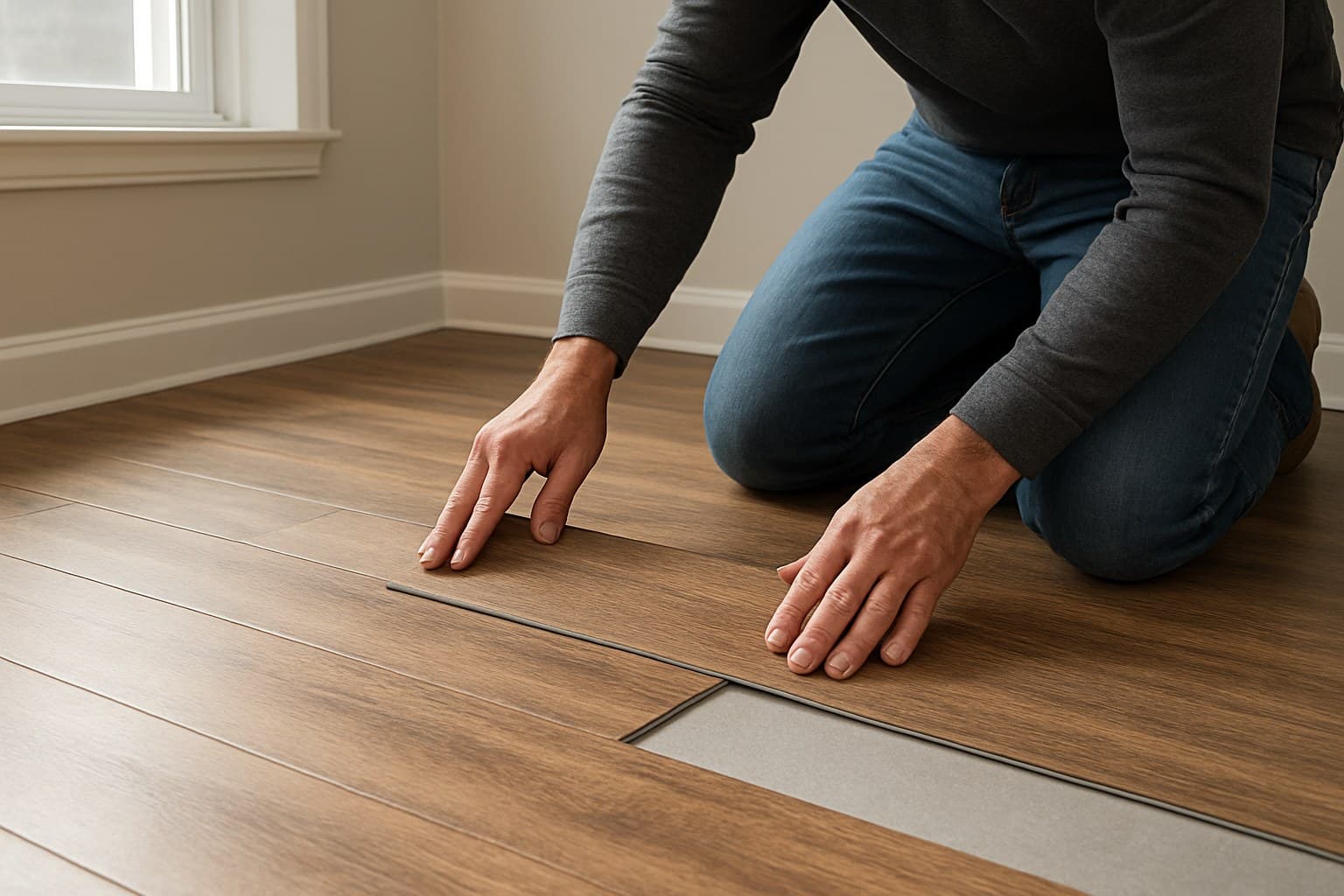
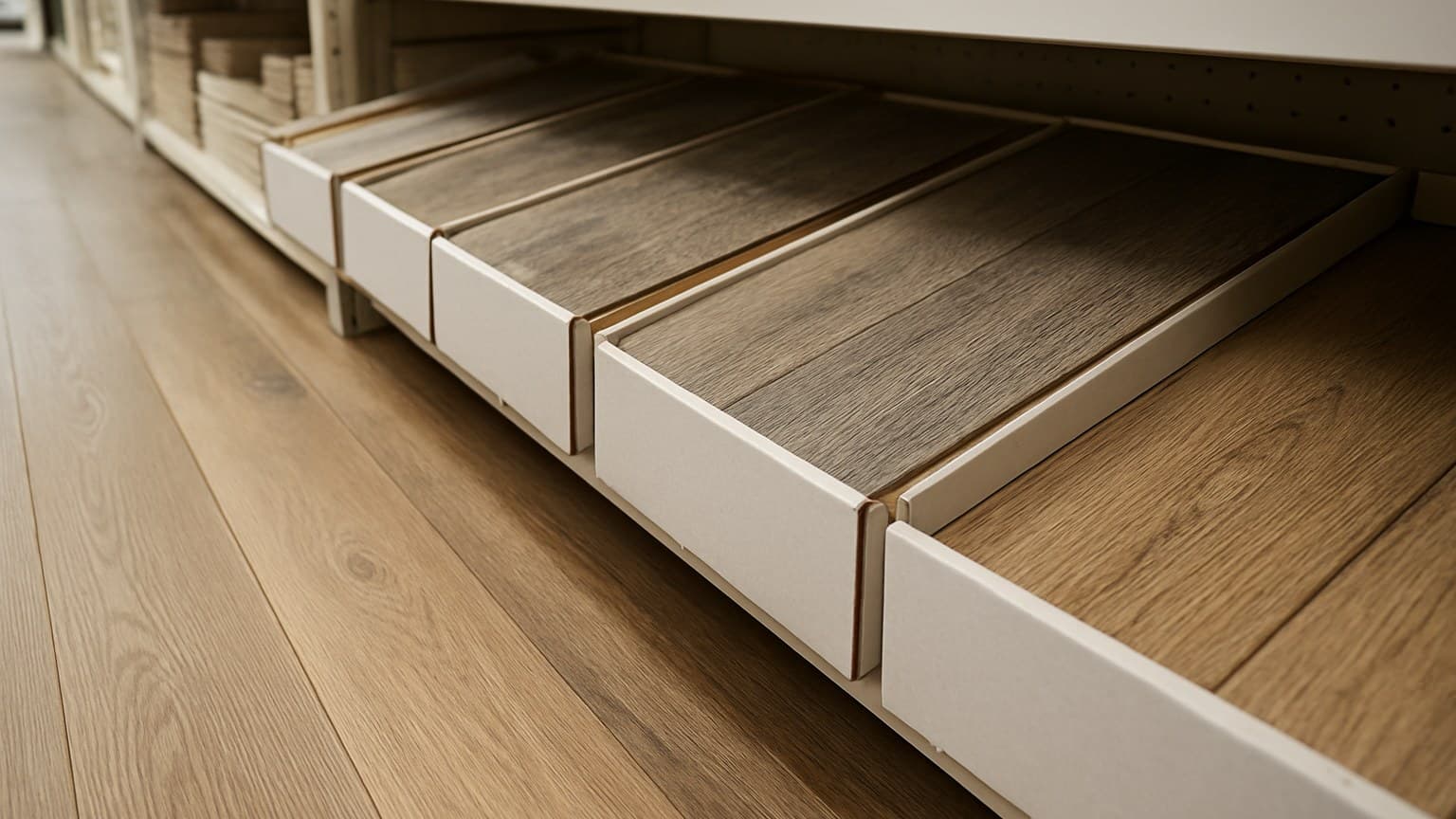
Shop for Shaw vinyl plank flooring and every box on the shelf looks like the same product with a different price tag. It isn't, Shaw builds its planks under several different lines, and the one you grab decides whether it survives your basement or gives up in a year. This guide reads past the photo.
Key takeaways
- Shaw sells LVP under several line names (Floorte Pro, Floorte Plus, Endura, plus the COREtec lines it now owns), and the core type and wear layer change from line to line, not just the color.
- Floorte Pro and Endura run on a rigid SPC core that handles moisture and temperature swings better; Floorte Plus and many COREtec lines use a softer WPC core that feels warmer and quieter underfoot.
- A waterproof core is not the same as waterproof seams. Shaw's core won't swell, but standing water can still get under the planks at the edges, so it's the seams and subfloor prep that decide a basement job.
- Budget roughly $2-$5 per square foot for Shaw LVP material and about $1.50-$4 per square foot for labor, with basements and stairs costing more than open rooms.
- Most Shaw LVP complaints (peaking, gapping, edge failures) trace back to a skipped moisture test or an unflattened subfloor, not the plank itself.
What You're Actually Buying When the Box Says Shaw
The name on the box covers a lot of ground. Shaw sells vinyl plank under several different lines, Floorte Pro, Floorte Plus, Endura, Pantheon HD Plus, and the COREtec lines Shaw now owns, and picking the right one matters more than picking the right color. They differ in the two things that decide performance: the core and the wear layer.
Here's why the store makes this hard to see. Retailers stack and sort by color and price, not by line or core type — walk the aisle at a big-box store like Lowe's and you'll find that same mixing, which is why our breakdown of the Lowe's vinyl plank flooring lineup is worth a look if that's where you're shopping. Two planks that photograph the same, and sit at nearly the same price, can be built completely differently underneath. One might have a hard stone-based core meant for a basement, the next a softer core meant for a quiet bedroom.
The fix is simple once you know it. Ignore the plank photo for a second and hunt for two words on the label or spec sheet: the collection name and the core type. Those two facts predict how the floor handles moisture, cold, and heavy furniture better than the wood-grain picture does. LVP, if you're new to the term, just means luxury vinyl plank, the click-together plank vinyl most homes buy now.
The rest of this article is a decoder. I'll name each Shaw line, tell you what core it runs, and point you to the room it belongs in.
SPC vs WPC: The Core Under Every Shaw Plank
Every Shaw plank rides on one of two cores, and the difference is easy to feel. SPC stands for stone-plastic core, and it's dense and stiff. WPC stands for wood-plastic core, and it's a little softer and warmer underfoot.
Think of it this way. An SPC plank behaves like a thin tile that clicks together, hard and flat and steady. A WPC plank behaves more like a padded board, with a bit of give when you step on it.
That stiffness gives SPC an edge against temperature swings and against dents from a heavy couch leg or a fridge, so it's the better pick over a slab or in a sunny room. WPC trades some of that toughness for comfort. It's quieter, it's warmer on bare feet, and it dents more easily. Neither is "better" flat out, they're built for different rooms.
Which Shaw lines run which core? Floorte Pro and the Endura lines lean toward rigid SPC. Floorte Plus and many of the COREtec lines lean toward WPC. Always confirm on the spec sheet, because Shaw mixes cores across a big catalog.
One thing I want to be clear about, because it's where basement jobs go wrong: a waterproof core is not a waterproof floor. The core itself won't swell if it gets wet, and that's real. But water can still creep in at the plank edges, run down through the seams, and sit on the subfloor underneath. The plank stays fine while mold or a soft spot grows below it. "Waterproof core" answers one question only. The seams and the subfloor prep answer the one that actually matters.
The layers of a Shaw LVP plank, top to bottom.
Shaw's LVP Lines, Decoded Side by Side
Here's the whole family in one place. Each color and size combo carries its own SKU, a stock number that identifies that exact product, so treat this table as a map, then check that SKU's own spec sheet for the color you like.
| Line | Core | Wear layer | Warranty | Best for |
|---|---|---|---|---|
| Floorte Pro | SPC (rigid stone-plastic) | Per SKU, see the collection's spec sheet | Residential terms stated per collection | Kitchens, entryways, high-traffic and pet homes |
| Floorte Plus | WPC (softer wood-plastic) | Per SKU, see the collection's spec sheet | Residential terms stated per collection | Bedrooms, living rooms where comfort matters |
| Endura / Endura Plus | SPC rigid | Per SKU, see the collection's spec sheet | Residential terms stated per collection | Busy rooms, rentals, budget-conscious durable installs |
| Pantheon HD Plus | Rigid core, see spec sheet | Per SKU, see the collection's spec sheet | Residential terms stated per collection | Realistic-look upgrades in living spaces |
| COREtec lines (Shaw-owned) | WPC or SPC by sub-line | Per SKU, see the collection's spec sheet | Line-specific, often long residential terms | Premium look, comfort, and moisture areas |
Source: Shaw's published Floorte, Endura, Pantheon HD Plus, and COREtec spec sheets
Shaw LVP lines compared by core type, spec-sheet notes, and the room each suits best.
Notice there's no wear-layer number in that table. That's on purpose. The clear top layer that takes your scuffs, called the wear layer, is stated per SKU on each collection's own sheet, not as one figure that covers the whole brand. Anyone quoting you a single Shaw wear-layer number is guessing.
The Floorte family (Pro vs Plus)
Floorte is Shaw's headline vinyl name, and the split is clean once you know it. Floorte Pro runs the rigid SPC core, so it's the one to steer toward kitchens, entries, and homes with dogs. Floorte Plus runs the softer WPC core, which feels warmer and quieter, making it a nicer fit for bedrooms and low-traffic living rooms. Same brand name on the box, two different tools for two different rooms. If you want the full line breakdown, the dedicated Shaw Floorte guide goes deeper on each collection.
The COREtec lines Shaw now owns
COREtec is the brand that made rigid-core vinyl famous, and Shaw owns it now. It sits above the Floorte lines on look and comfort, and it spans both WPC and SPC depending on the sub-line, so the same core-first rule applies here too. If a COREtec floor is on your shortlist, the COREtec line-by-line breakdown sorts out which sub-line fits which room. And the Endura and Endura Plus guide covers Shaw's more budget-minded rigid option.
Wear Layer and Warranty: The Fine Print That Actually Differs
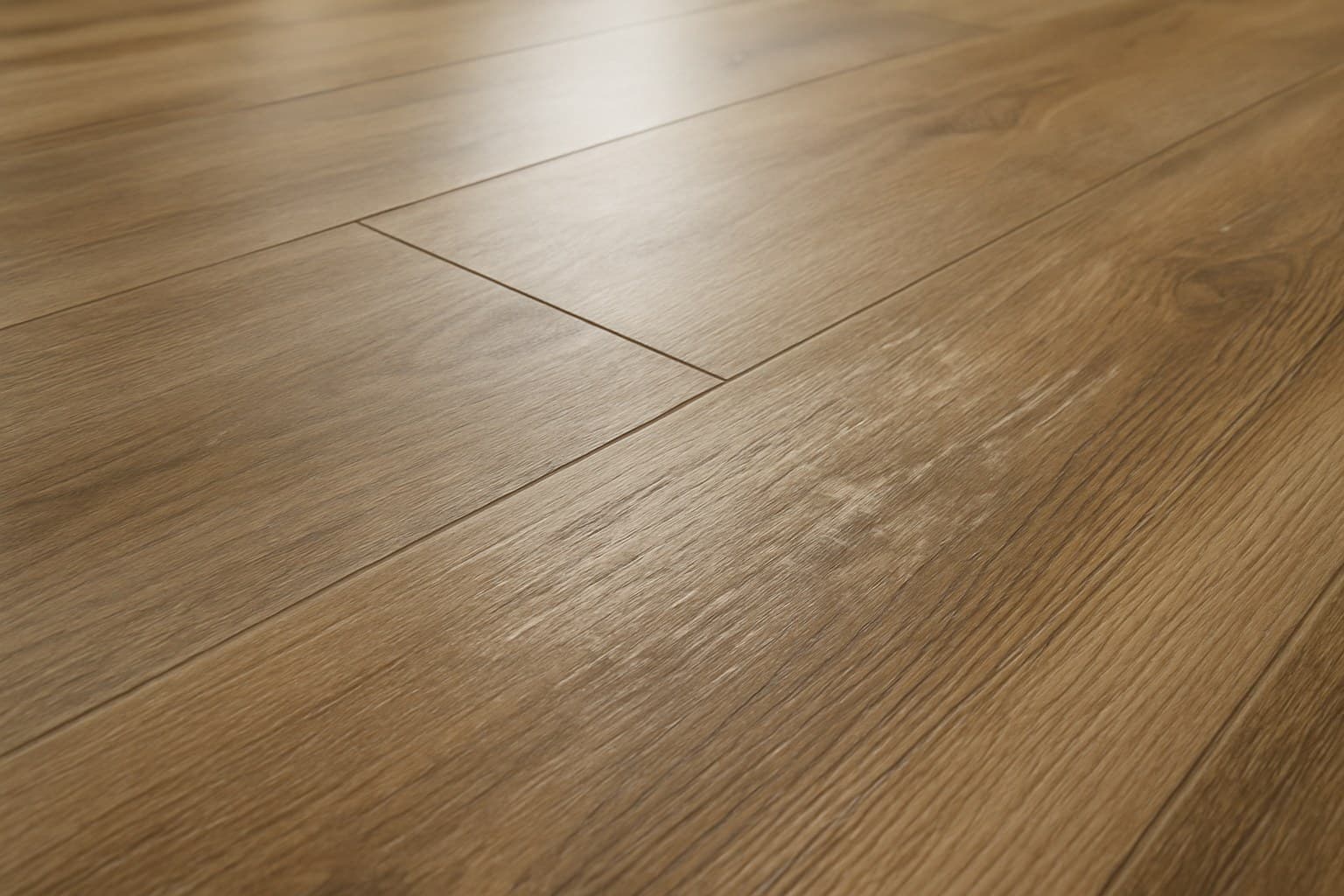
The wear layer is the clear coat on top, and it's the part that eats your foot traffic, grit, and pet claws. A thicker one lasts longer in a busy room, and that's why you check it per line on the spec sheet instead of trusting a shelf tag. A plank meant for a spare bedroom and one meant for a kitchen can wear that top coat to very different thicknesses.
Warranties are where the marketing and the fine print part ways. A "lifetime residential" promise almost always comes with conditions. It expects a proper install, it sets moisture limits for the subfloor, and it often reads differently for a DIY install than a professional one. Break one of those conditions and the coverage can quietly disappear.
This is also where the waterproof-core promise gets carved back. Read closely and you'll usually find the core is covered against swelling, while damage that starts at the seams or edges, the exact spot where basement water gets in, is treated as an install issue, not a product defect. That's not Shaw being sneaky, it's every rigid-core brand. It's just the reason seam and subfloor work matter more than the box lets on.
So do two boring things that pay off later. Confirm the exact line and SKU on the spec sheet before you buy, and read the residential-versus-commercial term difference along with the moisture and subfloor conditions the warranty requires. Then keep your receipt and lot numbers. A warranty claim starts with proving which line and batch you actually installed, and "I think it was the Floorte one" won't cut it.
Which Shaw Line Fits Which Room
Match the core to the room and most problems never start. Rigid SPC lines like Floorte Pro and Endura belong in basements, bathrooms, kitchens, and anywhere with a slab under it. WPC lines like Floorte Plus earn their place in bedrooms and quiet living rooms where warmth and softness win.
Moisture is the deciding factor over concrete. Any time you're going over a slab or into a basement, favor a rigid SPC line, and still test the slab for moisture before a single plank goes down. A moisture meter, the handheld tool that reads how wet the concrete is, tells you what your hand never will. A slab or basement means an engineered rigid core, not a soft one. If you're weighing vinyl for below grade, our full vinyl flooring buyer's guide walks through basement-specific picks in more detail.
For pets and resale, lean on the harder wear-layer lines. They shrug off claw scratches better, and running one consistent look across your main floor reads as a real upgrade to buyers instead of a patchwork of rooms.
Stairs are their own animal. They need special stair nosing, the rounded edge piece that caps each step, and they take longer per square foot than a flat, open room. Don't price a staircase like a bedroom.
Which Shaw core type suits each room, and the catch to watch in each.
What Shaw Vinyl Plank Costs: Materials vs Labor
Budget the material and the labor separately, because they move for different reasons. Exact pricing varies by retailer, region, and promotion, but Shaw LVP shoppers commonly report costs somewhere in the $2 to $5 per square foot range for the planks themselves, with the budget-friendly Endura lines near the bottom and the COREtec lines near the top. Professional installation costs vary just as widely, but often land somewhere around $1.50 to $4 per square foot on top of that, depending on your area and the room, treat both ranges as a rough starting point for budgeting, not a quote.
That labor range is wide for a reason, and it's the same reason I stopped quoting flat by the square foot years ago. I once bid a job at one rate across the whole house, then lost a full extra day to a room packed with closets, doorways, and a bay window. The open middle of a room is never where the time goes. The cutting hides at the edges.
Two rooms cost more than the number above suggests. Basements add cost because the slab often needs moisture work and sometimes leveling before anything goes down. Stairs cost more per step than a flat floor because each tread gets cut, wrapped, and capped with nosing by hand. Price both as premium work, not as more of the same open floor.
If you want a sense of how Shaw's pricing stacks up against a rival many shoppers cross-shop, Lifeproof's rigid vinyl line sits in a similar range and is worth a look before you commit. That same cross-shopping gets easier once you've seen every Lifeproof collection sorted by spec and room in this Lifeproof vinyl plank flooring guide.
Installing Shaw LVP: DIY or Hire It Out?
Before any plank goes down, two checks decide whether the floor lasts: subfloor flatness and moisture. Shaw's install guide sets a flatness tolerance for a reason. Ride over a hump or a dip and the click joints work loose, then you get gapping and peaking, the raised ridges where two planks push against each other. Run a long straightedge across the floor and mark the low and high spots before you trust it.
The moisture check is the one people skip, and it's the one that bites. A customer once talked me out of testing her slab to save an afternoon, and I let her. The floor cupped before the season turned, and I relaid it on my own dime. That's the day I stopped treating the test as optional, and it's why the LVP complaints I read about tend to trace back to a skipped moisture reading or an unflattened subfloor, not the plank. The floors that fail early are rarely the brand's fault.
So, DIY or hire? Click-lock Shaw LVP in a flat, open bedroom or living room is a realistic weekend project for a careful DIYer. Where I'd hire out: glue-down installs, stairs, and large open-plan floors that cross from a dry room into a kitchen or bathroom, where the moisture transitions and the long runs are easy to get wrong. If glue-down work is part of the job, check that the adhesive is certified under the Carpet and Rug Institute's Green Label Plus program, which sets accepted indoor air quality emissions limits for flooring adhesives, a detail worth confirming on the product data sheet before it goes down. If your prep or your layout falls in that harder group, paying a pro is usually cheaper than a redo. Mohawk's click-lock planks run through that same install calculus, and the hands-on lessons from working with that line turned up a few surprises worth weighing too, which I break down in installing Mohawk vinyl plank flooring.
For real-world owner feedback before you buy, Shaw vinyl plank reviews and the deeper look at common Shaw vinyl plank problems are useful next reads, since they show which complaints are the product and which are the install.