
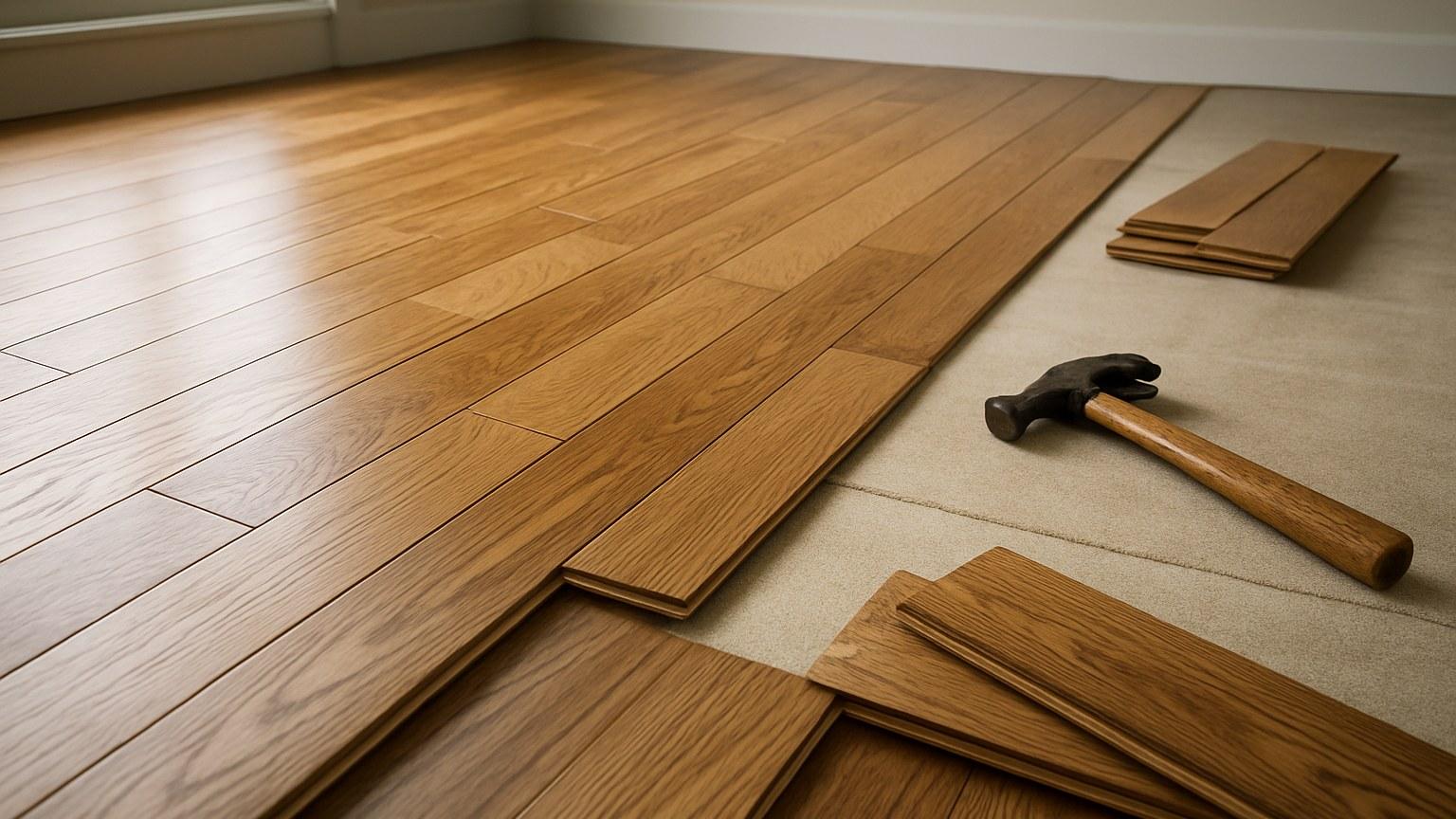
Bruce hardwood flooring is a solid mid-tier value brand, not a premium one: you buy it for the price and how easy it is to find, not for prestige. The confusion comes from the name itself. It's been around for decades, now covers everything from solid oak to vinyl plank, and the reviews swing from glowing marketing to a flat "average" from critics. This guide sorts out which read is right and which Bruce line fits your room.
Key takeaways
- My verdict: Bruce is a solid mid-tier value brand, not a premium one. Buy it for price and wide availability, not prestige.
- Bruce material runs roughly $2.50-$8 per square foot and labor about $3-$7 per square foot, per thewoodcarpenter.com.
- Only Bruce's LVT/rigid vinyl and Comfortstone lines are built for wet rooms. Solid and engineered wood are water-resistant at best, never waterproof.
- Prefinished Bruce ships sealed with an aluminum oxide finish. Hickory shrugs off dents best; maple shows scuffs and scratches the most.
- Engineered Bruce is the pick for basements and concrete slabs; 3/4-inch solid is for above-grade rooms only.
Is Bruce Still Made, and What the Name Covers Today
Yes, Bruce is still made and still sold. You'll find it stocked at big-box home centers and independent flooring stores. It's one of the older US wood-flooring names, now owned by a larger flooring parent company rather than a small mill.
What confuses most shoppers is this: "Bruce" is no longer just solid wood. The label today covers solid and engineered hardwood, a bare Unfinished line, wood-look LVT (luxury vinyl tile) and rigid-core vinyl, and a stone-composite line called Comfortstone. So when someone says "I'm getting Bruce," that could mean five very different floors.
A name you recognize from decades ago doesn't make a floor premium. Bruce is a mid-market brand you buy off the shelf, not a custom product milled to order. That's not an insult, it's just where it sits, and it's the question the rest of this article settles.
Bruce's Product Lines Compared: Solid, Engineered, Unfinished, LVT, Comfortstone
The single most useful thing to know about Bruce is which line goes where, because they are not interchangeable. Solid 3/4-inch wood is for above-grade rooms only. Engineered handles concrete and below-grade spots like basements. The LVT and Comfortstone lines are the only ones built for genuinely wet rooms.
| Line | Construction | Moisture tolerance | Best rooms | Finish |
|---|---|---|---|---|
| Solid hardwood (3/4") | One piece of real wood | Low; above-grade only | Living rooms, bedrooms, hallways | Factory urethane with aluminum oxide (prefinished) |
| Engineered hardwood | Plywood core + real wood veneer | Better; can go over concrete/below grade | Main floors, basements | Factory urethane with aluminum oxide |
| Unfinished | Bare solid wood | Low; above-grade only | Rooms matched to an existing floor | Sanded and finished on site |
| LVT / rigid core vinyl | Vinyl / rigid core, wood look | High; waterproof core per product spec | Kitchens, baths, basements | Factory wear layer |
| Comfortstone engineered stone | Stone-composite rigid core | High | Kitchens, baths, entries | Factory finish |
Bruce product lines matched to construction, moisture tolerance, best rooms, and finish.
One warning on that "waterproof" column. Bruce's rigid-core vinyl lines carry a waterproof core, meaning the plank body won't swell if water sits on it. That's not the same as a waterproof floor. Water still penetrates to seams and edges, which is where I typically see wet-room failures starting. The wood lines above are water-resistant on the surface at best, and never waterproof. If you want wood in a kitchen, that gap matters, and it's the same tradeoff I walk through in LVP (luxury vinyl plank) vs hardwood by room.
The Unfinished Line: Why Anyone Still Buys Bare Wood
The Unfinished line is bare solid wood you sand and seal after it's laid. Most buyers want it for one reason: matching an existing floor. If you're extending old oak into a new room, you can lay bare boards, then sand and finish the whole floor at once so the new and old blend. That hands-on process is exactly what our guide to unfinished hardwood flooring walks through step by step.
That's a different job than clicking down prefinished planks, and a more expensive one. You're paying for sanding, stain, and several finish coats on site. It's skilled work, not a weekend project, so budget for a pro. Even pros typically rent the drum sander for the job instead of owning one, since a floor sander rental costs far less than buying equipment you'll use once.
Is Bruce Hardwood Flooring Good Quality? Marketing vs the Critics
Straight answer: Bruce is dependable mid-tier value. It holds up fine in a normal home with normal traffic, but it won't feel or look like a custom floor, and it isn't priced to.
You'll see two stories about this brand. The pitch leans on long US history, a wide range of species, and the factory aluminum oxide finish. Uptownfloors.com, in its brand review, calls Bruce's build quality "average to not pleasant" and says the brand is "dead in the water" on innovation. Both are true in their own way: one is marketing, the other is one reviewer's opinion.
My read, from laying these floors and pulling them back up, lands in the middle. The prefinished planks go down clean, the factory finish wears about like you'd expect for the price, and I've rarely been called back over a Bruce floor failing on its own. What I don't get from it is that heavy, dense feel of a premium board. Buy Bruce for price and availability, not prestige.
Is Any Bruce Floor Waterproof?
Only the rigid-core vinyl/LVT and Comfortstone lines are built for wet rooms, and even those have a waterproof core, not waterproof seams. No Bruce wood floor, solid or engineered, is waterproof. Standing water at a seam will still cause trouble.
Is Bruce Engineered Hardwood Good Quality?
The Bruce engineered line is my first choice for most clients, it's solid for the money. The plywood-style core resists cupping and gapping better than solid wood when used over concrete or below grade. For a basement or a slab main floor, engineered is the right call and the quality is fine for a mid-tier price. If you're still weighing the two constructions room by room before settling on a brand, our breakdown of solid vs. engineered hardwood walks through that decision in more detail.
Species and Finishes, and How Much Each One Scratches
Bruce uses the common US hardwoods: red and white oak, maple, and hickory. How much each one scratches or dents is not a brand question, it's a species question, and no finish changes that.
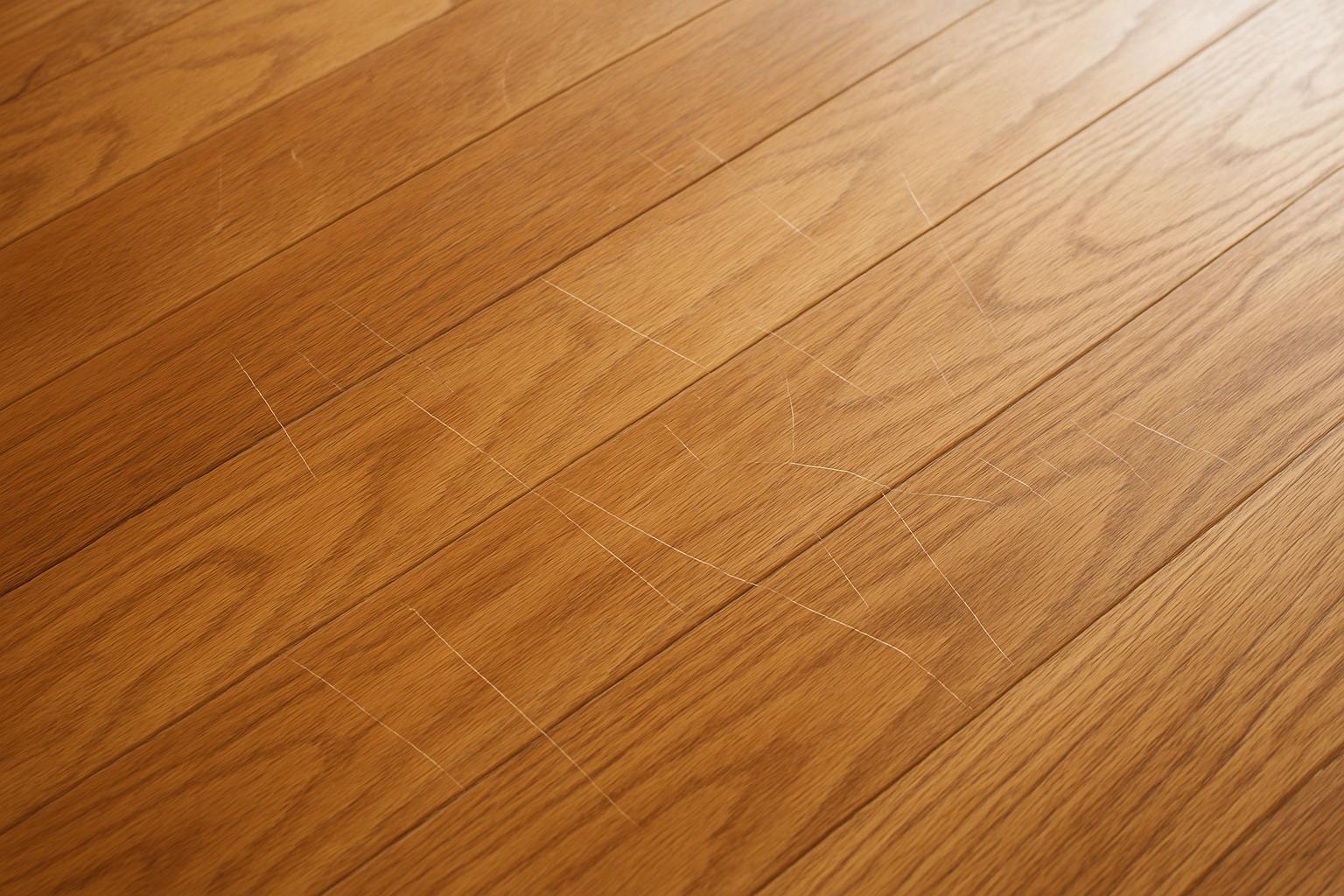
The marketing glosses over one thing. The aluminum oxide topcoat is genuinely hard and resists surface scuffs well. But the wood under it is what dents when you drop a pan or drag a chair. A tough finish on a soft species still dents, because the dent is in the wood, not the coating.
Ranked by what actually holds up:
- Hickory takes dents best. It's the hardest of the bunch, so it shrugs off a busy kitchen or a house with dogs. If you want the toughest Bruce floor, this is it. The look and movement of wide plank hickory is worth reading up on before you commit.
- Oak, red or white, sits in the middle. It's the sensible default: hard enough for most rooms, with grain that hides small marks.
- Maple shows scuffs and scratches the most. It's a lovely smooth, pale wood, but it dents easier and every mark stands out against the light color.
One job taught me to respect wood movement over finish specs. A client in the central Ohio area had her heart set on wide solid boards for a space that cycled between damp summers and bone-dry winters. Every winter, gaps opened between the boards; every summer, they crowned up. The floor was fine, the room was the problem. Now, for a room with big humidity swings, I recommend narrower boards or engineered wood instead, as they move far less. If you're drawn to a worn, knotty look, rustic hardwood hides seasonal gapping better than a clean, formal floor does.
Are Bruce Hardwood Floors Sealed From the Factory?
Yes, the prefinished solid and engineered lines ship sealed. They come with a factory urethane finish topped by aluminum oxide, cured at the plant and ready to walk on the day they're installed. "Sealed from the factory" means no sanding or finishing on site, which is the whole appeal of prefinished. The Unfinished line is the exception, since you seal that one yourself after it's down.
What Bruce Hardwood Flooring Costs to Buy and Install
There's no single number, so don't trust one. The honest answer splits into material and labor. Per thewoodcarpenter.com, Bruce material runs roughly $2.50 to $8 per square foot, and labor runs about $3 to $7 per square foot.
| Item | Cost |
|---|---|
| Solid hardwood, material only | $3-$8 per sq ft |
| Engineered hardwood, material only | $2.50-$7 per sq ft |
| Labor (installation) | $3-$7 per sq ft |
Source: thewoodcarpenter.com
Bruce hardwood cost per square foot, split into material and labor.
Fully installed, the ranges stack. For 2026, fixupfirst.com puts engineered at about $4 to $10 per square foot installed and solid at $6 to $12 per square foot installed. Basements and stairs run higher than an open room because of the extra cuts, transitions, and moisture prep.
Work one room end to end. Say a 200-square-foot bedroom in Bruce engineered. Material at $2.50 to $7 per square foot is $500 to $1,400. Labor at $3 to $7 per square foot is $600 to $1,400. The whole room lands somewhere around $1,100 to $2,800, material plus labor.
On DIY versus hire: click-lock engineered floating floors are realistic for most handy homeowners, and that's where Bruce can save you the labor line entirely. Glue-down installs, stairs, and finishing the Unfinished line on site are where I'd hire a pro. If you want to see what the job actually involves before you decide, our walkthrough on installing hardwood flooring covers the subfloor and moisture checks that make or break the result.
Bruce's Warranty: What You Need to Read Before You Buy
Bruce advertises a residential finish and structural warranty, and the term is tied to the specific line, not the whole brand. Bruce's current marketing, for example, lists a Lifetime finish warranty for its solid hardwood collection, while engineered and vinyl lines typically carry shorter, product-specific terms, but exact coverage varies by product and can change, so check the warranty for the specific line you're buying rather than assuming one term covers them all.
Read the fine print before you buy. These warranties cover manufacturing defects, not damage from installation mistakes, not scratches and dents from daily life, and not moisture failures. That last one is the catch. If your subfloor was too wet or too far out of flat, a warranty claim gets denied, because the maker's coverage hinges on prep you were supposed to do first.
So keep your proof. Hold onto the receipt, the box labels, and the batch info, and check the subfloor for flatness and moisture before anything goes down. On a floating floor especially, the floor only lasts as long as the prep beneath it.
Sources
- Thewoodcarpenter.com