
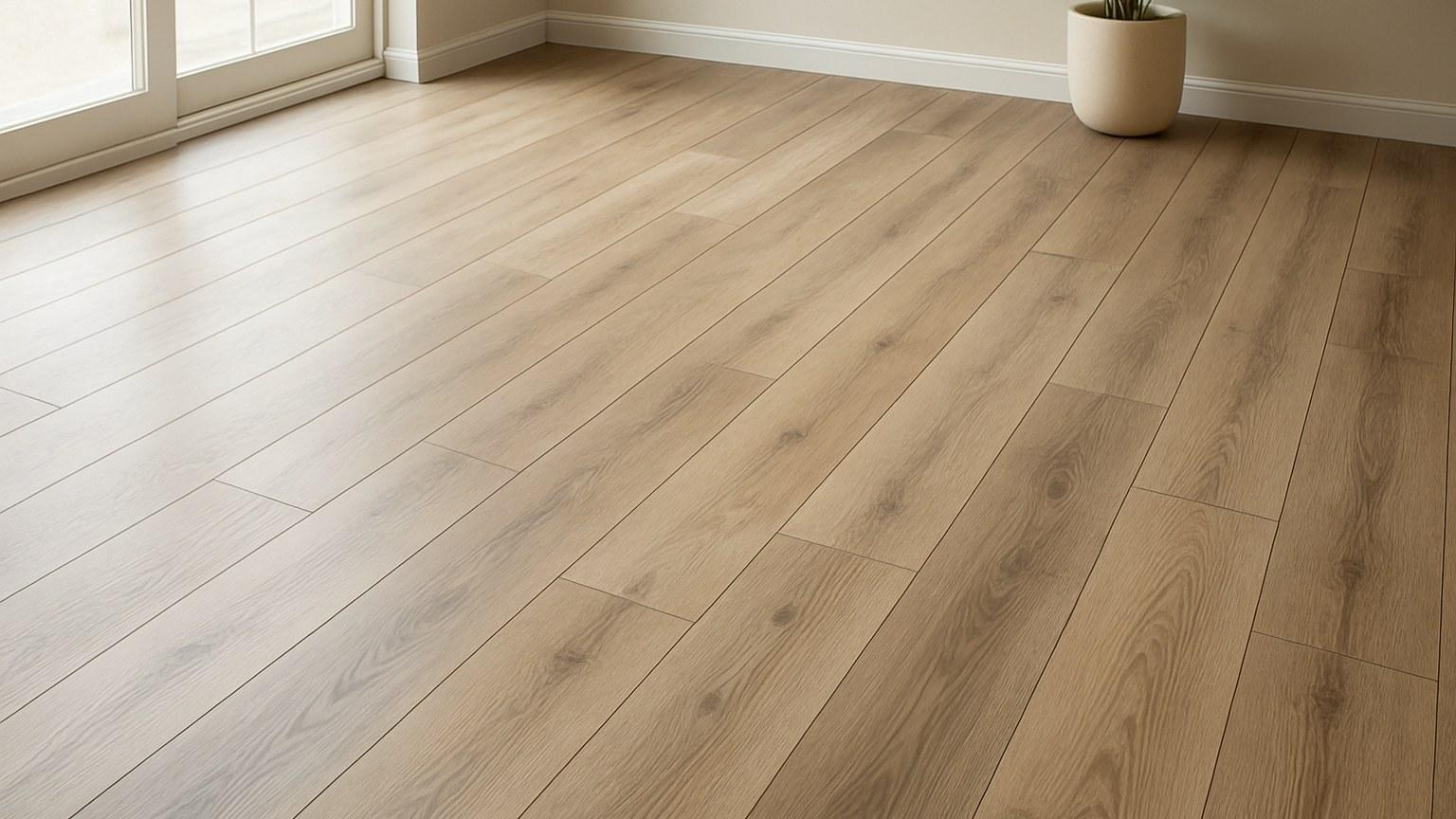
COREtec LVP materials run roughly $3 to $8.50 a square foot, according to Carpets in Dalton, putting it at the top of the luxury vinyl plank range, not the middle. The tricky part is working out what that extra dollar or two per foot actually buys, since the plank surface isn't tougher than a good mid-range SPC (stone plastic composite). Pay up in the wrong room and you overspend where a cheaper plank would have held up fine.
Key takeaways
- COREtec materials run about $3-9 per square foot, per Carpets in Dalton, which puts it at the top of the luxury vinyl plank range rather than in the middle.
- The premium mostly buys an attached pad, a real choice of SPC (stone plastic composite) or WPC (wood plastic composite) core, and a wider line to match later, not a tougher wear surface by itself.
- Installed total runs roughly $5-14 per square foot, per Carpets in Dalton, with labor alone around $2-5.
- Paying up pays off in basements, large open floors, and homes where you'll add matching planks later; a mid-range SPC often does the same job in a rental or a small room.
- Most COREtec complaints trace back to subfloor prep and the installer, not the plank itself.
What COREtec LVP Is, in Two Lines
COREtec is a rigid-core luxury vinyl plank and tile line made by Shaw. It is vinyl all the way through, not laminate, so the core is waterproof where a laminate's wood-fiber core is not. Laminate still has its own case: it usually looks more like real wood grain and costs less to buy, so the real call between the two comes down to water tolerance versus look and price, not one type beating the other across the board. Pergo's laminate lines are a common example of that wood-grain-focused, budget-friendlier category.
The lines you'll see on the shelf are Originals, Pro, Pro Plus, Pro Plus XL, and COREtec Tile, which is the luxury vinyl tile version in stone and ceramic looks. The core under any given line is either SPC (a dense, stone-based core) or WPC (a softer, wood-based core), depending on the line. If you want a deeper breakdown of which line actually holds up best for your room, the COREtec line comparison guide walks through each one in detail.
Most COREtec lines ship with a cork or foam pad already bonded to the back. Hold onto that detail, because it's part of what you pay extra for.
Colors cover the usual oak, hickory, and pine looks, including planks like Carolina Pine. If you want the ground-level basics of how vinyl is built and rated first, start with the vinyl flooring buyer's guide and come back.
This page isn't a line-by-line spec dump. It's about the price gap versus cheaper brands and when closing that gap is worth it.
What COREtec LVP Costs Per Square Foot
Depending on the line, COREtec materials cost between $3 and $8.50 per square foot, according to Carpets in Dalton. Installed totals vary by source: Carpets in Dalton puts the installed range at $5 to $14 per square foot, while Royal Floors Online quotes $5.50 to $8.50.
COREtec materials by line
| Line | Core | Materials per sq ft |
|---|---|---|
| COREtec Originals Classics | SPC/WPC | $3-$4.50 |
| COREtec Pro Classics | SPC | $3.50-$5 |
| COREtec Originals Enhanced | SPC/WPC | $4-$6 |
| COREtec Pro Enhanced | SPC | $4.50-$6.50 |
| COREtec Originals Premium | SPC/WPC | $5.50-$8 |
| COREtec Pro Premium | SPC | $5.50-$8 |
| COREtec Tile | SPC | $5.50-$8.50 |
Source: Carpets in Dalton
Labor and the installed total
A floating click-lock install runs about $2 to $3 per square foot, according to Floor City, and climbs to roughly $2 to $5 for pro labor, according to Carpets in Dalton. Materials run $3 to $8.50 a square foot, so once labor and materials are added together, the installed total climbs well above basic LVP pricing.
The part that blows budgets isn't the plank. It's the floor under it. Subfloor prep and leveling can add $2 to $8 per square foot, according to Carpets in Dalton, and that's where basements and uneven slabs get expensive. A flat open room over a decent slab needs little. A wavy old floor or a damp basement needs patching, grinding, or a moisture barrier before a single plank goes down.
How COREtec's price compares to cheaper LVP
General luxury vinyl plank materials run $2.50-7 per square foot, per Estimators, with budget planks around $2-3 and mid-range around $3-5, per Carpet Exchange. So COREtec's upper tiers sit a dollar or two above a solid mid-range SPC.
That gap is small enough that the room, not the sticker, should decide. Click-lock COREtec is realistic for a confident DIYer in a square, open room. Stairs, glue-down installs, and big open-plan floors with moisture transitions are where paying for a pro earns its keep. If you want to see how COREtec stacks against the other names before you commit, the rundown of the best LVP flooring brands sorts out who does what.
What the Premium Actually Buys You
The markup over a mid-range SPC does not buy a tougher plank surface. It buys an attached pad, a real SPC-or-WPC core choice, a wider matching line, and warranty terms worth reading.
The attached pad you'd otherwise buy separately
Most COREtec lines come with cork or foam already bonded to the back. That means you skip buying and laying a separate underlayment, which is a real line item on a cheaper floor. The built-in pad softens sound and feel underfoot, and it's part of why this costs more upfront.
SPC or WPC core to match the room
WPC rides a touch softer and warmer. SPC is denser, resists dents better, and sits more forgivingly over an iffy subfloor. COREtec lets you pick by room instead of taking whatever a budget line happens to use. In a basement, I'd put the denser SPC down.
Matching lots down the road
Because COREtec is a broad national brand, adding or repairing planks a few years out is more realistic than with a store-only clearance line that's gone by next spring. Still, verify the exact collection and lot are stockable before relying on them, particularly if your job is large or takes place in phases.
Warranty terms are the other piece, and they vary by COREtec line, so check the specific collection's documentation before you buy. Whatever the term, it hinges on a documented install over a flat, dry, approved subfloor. The prep decides whether that coverage ever helps you. Skip the moisture reading and the flatness check and you've quietly voided the thing you paid up for.
Is COREtec a Good Brand of LVP? Reviews and Real Complaints
Yes, it's a solid rigid-core LVP that holds up well when it's installed right. Most bad reviews trace back to prep and the installer, not the plank.
The complaints that keep coming up
A few show up repeatedly. Denting under heavy point loads, like fridge feet or a piano, mostly on the thinner lines. Seam gapping, usually where the subfloor wasn't flat or the planks weren't acclimated the way the box's own sheet calls for. And fading on planks that sit in strong direct sun.
How much is the floor and how much is the installer
A share of what people call "COREtec flooring problems" are really install problems. The installer's quality swings the outcome along with the line you pick.
Be clear on waterproof versus water-resistant too. The core is waterproof. The seams and edges are only water-resistant. Standing water pooling at a seam over a bad subfloor still finds a way down.
I learned the acclimation part the expensive way on a Dayton rental. The planks came off a cold delivery truck and I laid them that afternoon to save a day. Once the tenants got the furnace running, every seam opened up a hair, and I ate the pull-up and relay myself. Now boxes stay in the room where they'll be installed, following the timeline listed on the sheet.
When Paying Up for COREtec Is Worth It
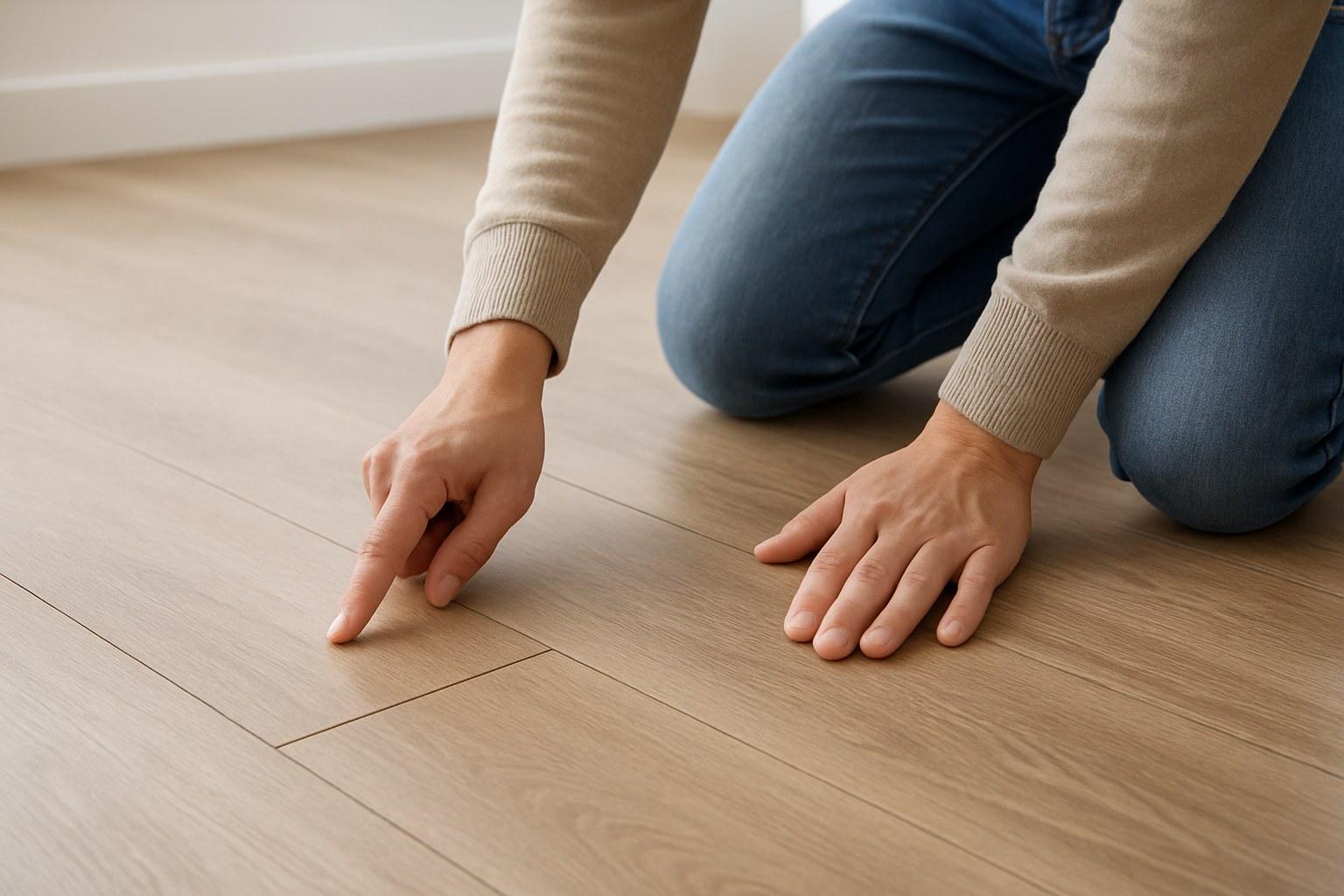
Pay the premium where the extras earn it: basements, large open floors, and homes where you'll add matching planks later. In a small room or a rental, a good mid-range SPC can do the same job for less. Just make sure that mid-range pick isn't one of the worst vinyl plank flooring brands, since a low price tag doesn't save much if the planks fail within a year.
Basements benefit from the dense SPC core and the attached pad over a cool slab. Big open floors benefit because a consistent national line means you can finish, repair, and extend without hunting a discontinued lot. And if you're flooring one room now and the hallway next year, buying into a brand that's still stocked matters.
Where I'd skip it: a spare bedroom, a flip, or a rental where no one's matching planks in five years. There, a budget-to-mid SPC at $3-5 per square foot covers it. For a head-to-head on a cheaper national competitor before you decide, Lifeproof vinyl flooring breaks down where that Home Depot line lands against COREtec on cost and core. That same Home Depot brand also sells a carpet line under the Lifeproof name, so if a bedroom or rental is leaning toward carpet instead of plank, it's worth knowing what that Lifeproof carpet line actually delivers before you commit.
Sources
- Carpets in Dalton