
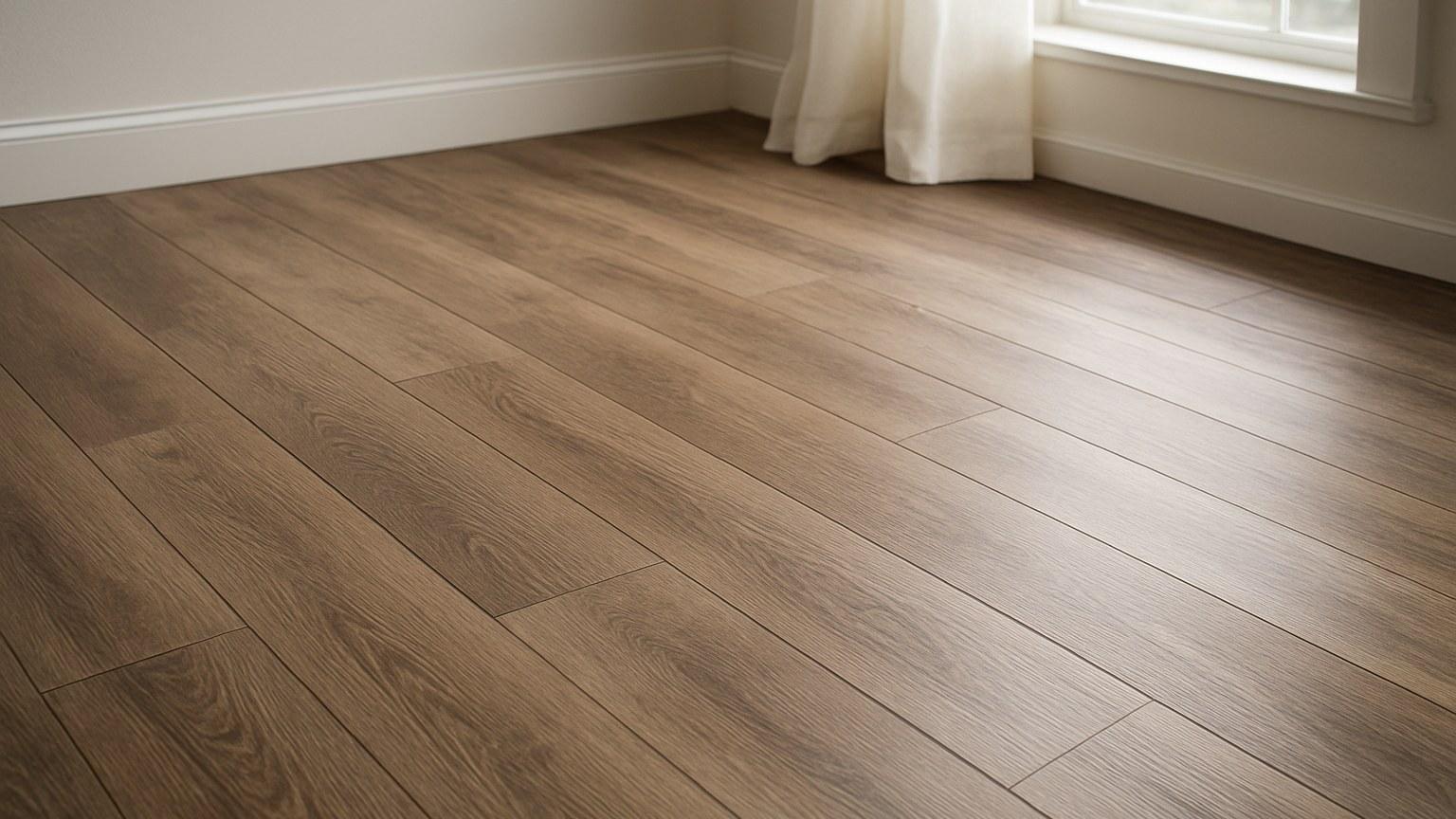
For most rooms in a typical house, vinyl plank flooring is the right call when moisture, pets, or kids are in the mix, and the wrong call in full bathrooms, on stairs, and in a garage. The trouble is that "vinyl plank is waterproof" gets read as "good everywhere," and that's where homeowners pick it for a room it was never built for. This guide goes room by room and names what actually wins, so you're buying vinyl plank flooring for the spot it holds up in, not the spot the box photo sold you on.
Key takeaways
- Full bathrooms still go to porcelain tile, not vinyl plank: water slips through floating plank seams and sits on the subfloor. Save LVP (luxury vinyl plank) for powder rooms and half-baths.
- In dry bedrooms and living rooms, laminate and engineered hardwood often beat vinyl plank on realistic look and feel. Vinyl plank wins when moisture, kids, or pets are in the room.
- For a concrete basement, an SPC (stone plastic composite) rigid-core vinyl plank over a moisture-checked slab is the safer pick than carpet.
- Vinyl plank materials run about $2.50-$4.50 per square foot (floorcity.com); labor on top, with basements and stairs costing more than open rooms.
- Buy to a spec, not a brand: wear-layer mil for the traffic, an SPC core for moisture, and a FloorScore label for low VOCs (volatile organic compounds).
What Vinyl Plank Flooring Is, and the Types You'll Compare
Picture a stack: a urethane top coat, a clear, hard finish that fights scratches and stains, sits over a clear wear layer whose thickness (measured in mils) decides how much traffic it takes. Some makers add their own branded version of that coating; Armstrong Flooring's Diamond 10 Technology is one example built for extra scratch resistance. Below that sits a printed design film that makes the wood or stone look, then a rigid or flexible core, and a backing or attached pad on the bottom. If you're zeroing in on that wood-look design before anything else, our guide to buying wood-look vinyl flooring walks through what to check first.
Here's what the names on the boxes mean. LVP is luxury vinyl plank, the wood-look board most people mean. LVT (luxury vinyl tile) is the tile-and-stone-look version. EVP (engineered vinyl plank) is just a marketing tag for rigid-core plank. Vinyl sheet comes in wide rolls instead of planks. Peel-and-stick and interlocking tiles are the budget, small-piece options. Picking between LVT and VCT (vinyl composition tile) vinyl tiles comes down to durability, water tolerance, and cost, not just the price tag on the box.
The core is where the big split lives. SPC (stone-plastic composite) is harder and denser, so it hides small bumps and dips in your subfloor better. WPC (wood-plastic composite) is softer and a touch warmer underfoot.
Two more things to buy by. Wear-layer mil is what separates a light-traffic bedroom plank from a kitchen-grade one, and the maker discloses that specification, so match it to the room's traffic instead of guessing. And watch for an attached pad, often called IXPE, a thin foam cushioning layer bonded to the back of the plank that softens the feel underfoot and quiets footsteps a bit. If your plank already has one, adding a second underlayment may invalidate the warranty. On most floating floor jobs, the floor only lasts as long as the prep under it anyway, so the pad matters less than a flat, dry subfloor.
If you want the full breakdown of what "luxury" buys you versus plain vinyl, I dug into that in "Luxury" Vinyl Flooring: What That Word Actually Buys You.
Vinyl Plank vs. the Material That Wins Each Room
The short version: vinyl plank wins basements, most kitchens, and any dry room on a tight budget or with pets and kids. It loses to porcelain tile in a full bath and often to laminate or engineered hardwood in a dry, low-traffic room where look and feel matter most. Which product actually earns the title of best LVP flooring depends entirely on the room it's going into.
In a living room, engineered hardwood wins on feel and resale if the room stays dry and the budget allows. Vinyl plank takes it when you've got a dog, young kids, or a spill risk, and it costs less on materials and installs easier as click-lock.
In a bedroom, laminate is often cheaper, with a more convincing wood look and a harder surface. Vinyl plank only makes sense here if moisture is a real risk. If you're torn between those two, I broke it down room by room in Vinyl vs Laminate Flooring: Which Wins in Each Room of Your House. Laminate itself isn't a universal fit either, since certain rooms suit it far better than others, as I lay out in a room-by-room laminate flooring guide.
One caution on the water-tolerance column below: it rests on a waterproof core versus water-resistant seams, not a blanket "waterproof" stamp. The plank body can be waterproof while water still sneaks through the seams and perimeter.
| Room | Real rival | Cost lean | Water tolerance | DIY difficulty | Feel underfoot | Verdict |
|---|---|---|---|---|---|---|
| Living room | Engineered hardwood | Vinyl plank cheaper on materials | Vinyl plank wins | Vinyl plank easier (click-lock) | Hardwood warmer, real | Engineered hardwood in a dry room with the budget; vinyl plank for pets/kids/budget |
| Bedroom | Laminate | Laminate often cheaper | Vinyl plank wins | Both DIY-friendly | Laminate harder; vinyl plank softer, warmer | Laminate on look + cost; vinyl plank only if moisture is a real risk |
| Full bathroom | Porcelain tile | Tile higher on labor | Tile wins (seams and all) | Vinyl plank easier | Tile cold, hard; vinyl plank warmer | Porcelain tile for a full bath; vinyl plank fine for a powder room |
| Basement | Carpet | Comparable | Vinyl plank wins | Both DIY-friendly | Carpet warmer, softer | SPC vinyl plank over a moisture-checked slab; carpet only over a confirmed-dry subfloor |
| Kitchen | Porcelain tile | Vinyl plank cheaper installed | Tile edges out at the sink | Vinyl plank easier | Vinyl plank softer on the legs | Vinyl plank for most kitchens; tile for a heavy-spill, premium build |
Vinyl plank against the material it actually competes with in each room, scored on cost, water tolerance, install difficulty, and feel.
Vinyl Plank in Wet Rooms: Bathroom and Kitchen
The whole wet-room question comes down to one split: the plank's core can be waterproof while its seams are only water-resistant. "Waterproof" on the box refers to the plank material, not the seams or the room. Water can still get under a floating floor at the perimeter and sit on the subfloor, so the claim is narrower than most shoppers read it to be.
Is vinyl plank flooring good in a bathroom?
For a full bathroom with a tub or shower, I send people to porcelain tile, not vinyl plank. A full bath gets standing water at the edges and seams, and on a floating floor that water reaches the subfloor at the perimeter where the plank doesn't seal. Tile with a proper grout and underlayment handles that; a floating plank floor doesn't.
A powder room or half-bath is a different story. No tub, no shower, far less standing water, so vinyl plank is fine there and much easier to install.
Vinyl plank flooring in the kitchen
Vinyl plank is a strong pick for most kitchens. It's softer on your legs than tile, cheaper installed, and the spills a kitchen sees are wiped up, not left to pool. Tile only edges it out right at the sink and in a heavy-spill, premium build.
One note: if your kitchen flows into a big open-plan space with a moisture transition, glue-down vinyl plank is the steadier choice than floating.
Where Vinyl Plank Doesn't Belong
Vinyl plank doesn't belong everywhere. Four spots give me pause.
Vinyl plank flooring on stairs
Stairs are doable, but they're fussy. You need nosing pieces for every tread edge, and most jobs call for glue plus mechanical fastening so nothing shifts underfoot. This is not a beginner DIY job. Stairs are where hiring a pro pays off, and they cost more per step than an open room.
Vinyl plank over a concrete basement floor
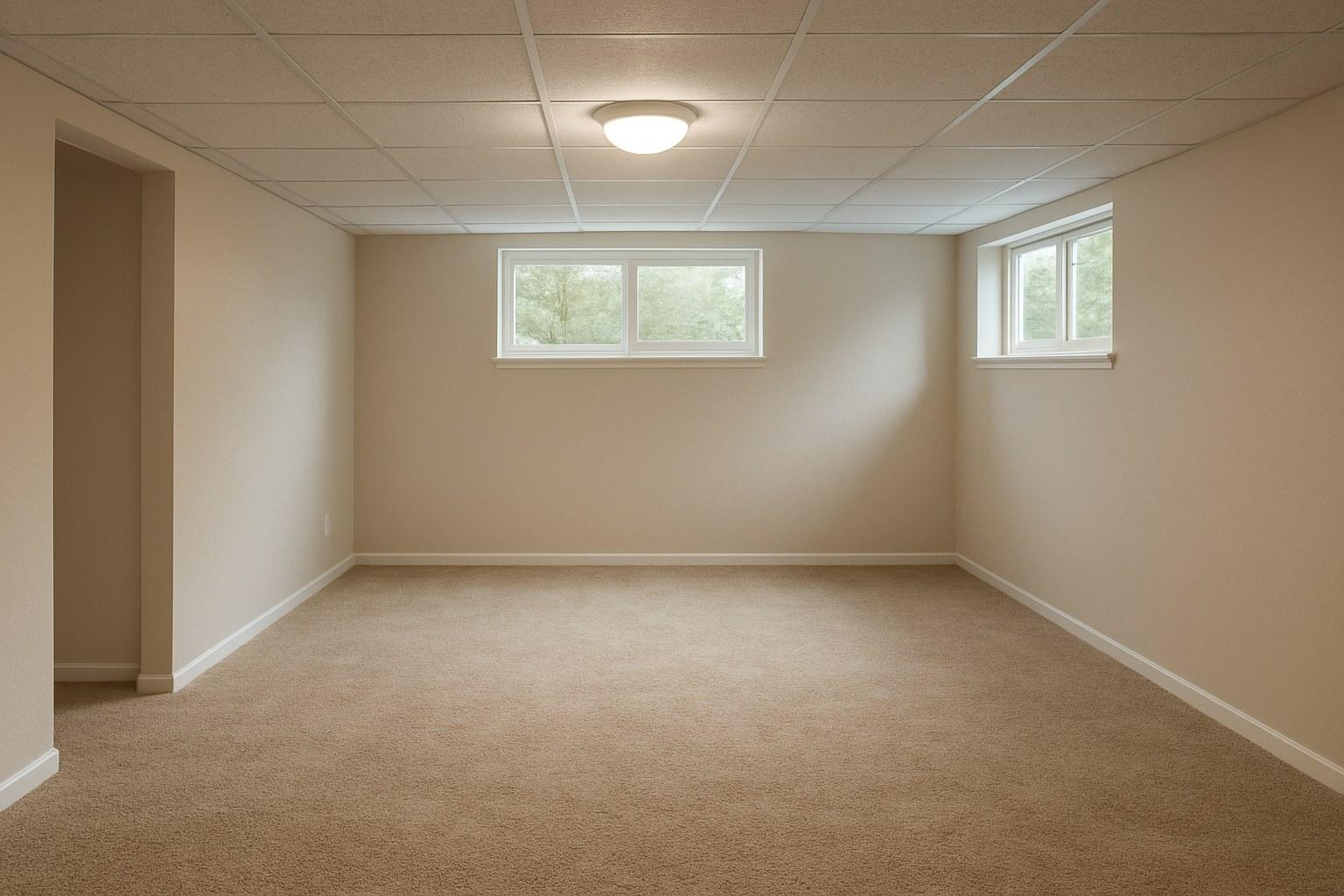
For a concrete basement, SPC rigid core over a slab that passed a moisture check beats carpet. The risk below grade is moisture coming up through the slab, not the plank itself. I've pulled up basement floors where the plank was fine but the slab under it was wet, so the moisture check comes before anything else, not the plank choice. That moisture check is just one of several factors that decide whether vinyl flooring lasts five years or twenty, which I cover in full in our vinyl flooring buyer's guide.
Vinyl plank in a 3-season room
A 3-season porch swings hot and cold, and that movement expands and contracts the plank. Many products aren't rated for unconditioned spaces at all. Before you buy, check the specific product's temperature range and its required expansion gap, because the maker's specifications determine the gap size, which varies by product.
Vinyl plank flooring in a garage
Skip vinyl plank in a garage. Vehicle weight, heat, and rolling loads are beyond what most vinyl plank is rated for. Epoxy or rubber is the right answer for that floor.
What Vinyl Plank Costs and Where to Buy It
Materials run about $2.50-$4.50 per square foot (floorcity.com). Cheaper entry planks exist, but the wear layer gets thin fast, and a thin wear layer is the first thing I see fail in a busy room. Labor adds roughly $1.50-$4.00 per square foot for a standard floating install, according to nedesestimating.com, and glue-down work runs higher. Basements and stairs cost more still because of extra prep and cut pieces.
Floating click-lock is cheaper to install than glue-down. Basements and stairs cost more than open rooms because of prep, transitions, and all those cut pieces. In a basement, it's the slab's moisture condition, not the plank, that decides whether a vinyl flooring for basement installation holds up.
Work a 1000-square-foot example. At $2.50-$4.50 per square foot, materials land roughly $2,500-$4,500. Add labor at roughly $1.50-$4.00 per square foot for a floating install, and the total installed price lands around $4,000-$8,500 before any basement or stair premium. For the full material-versus-labor split by install type, see LVP Flooring Cost: Material, Labor, and Total Installed Price per Square Foot.
Before you buy, run a quick check: match the wear-layer mil to the room's traffic, pick an SPC core for any moisture-prone room, look for a FloorScore label for low VOCs (volatile organic compounds), skip a second underlayment if the plank has an attached pad, and confirm the subfloor is flat and dry first. That last one quietly decides whether the warranty holds.
Where should you buy vinyl plank flooring?
Buy where you can see the actual spec sheet, not just a price. A home center stocks mid-tier click-lock in a handful of looks, fine for a bedroom or living room. A flooring specialty supplier carries thicker wear layers and more SPC options and will hand you the real mil and warranty numbers, which matters for a kitchen or basement.
Where to find cheap waterproof vinyl plank
Cheap waterproof plank usually means a thinner wear layer, but the exact mil number varies by product and brand, check the specific plank's published spec sheet before you buy, since budget lines often run thinner than what daily foot traffic needs. That's fine for a guest bedroom or a closet, not a kitchen or hallway. If you're shopping the bottom of the price band, check the wear-layer mil before the price, because that's the number that decides whether it lasts. Our best vinyl flooring picks line up solid options by room and budget.
Is Vinyl Plank Flooring Eco-Friendly? The VOC Answer
Vinyl plank is PVC-based plastic, so it's not a natural product like cork or wood. The old knock was VOCs, the gases that off-gas from a new floor and can bother air quality for a while.
The honest update is that it's better than it used to be. Many reputable makers now carry a FloorScore certification, which tests for low VOC emissions, and that label is the thing to look for if indoor air is a concern. It's not a blanket promise for the whole category, though, so check that the specific product you're buying carries it rather than assuming the brand does across the board.
Some manufacturers go a step further than a certification label. Armstrong Flooring publishes a full Environmental Product Declaration (EPD) for its 3.2 mm LVT line, a third-party-verified disclosure of the product's environmental footprint across its life cycle, certified under ISO 14025, ISO 21930, and EN 15804, and verified via ASTM (American Society for Testing and Materials). That's a documented, auditable account rather than a marketing line, and it's worth asking a manufacturer whether their product carries one before writing vinyl off on environmental grounds alone.
If a natural, renewable floor is the priority, cork and real wood are the greener materials. If durability and moisture tolerance drive the decision, a FloorScore-labeled vinyl plank is a reasonable middle ground.