
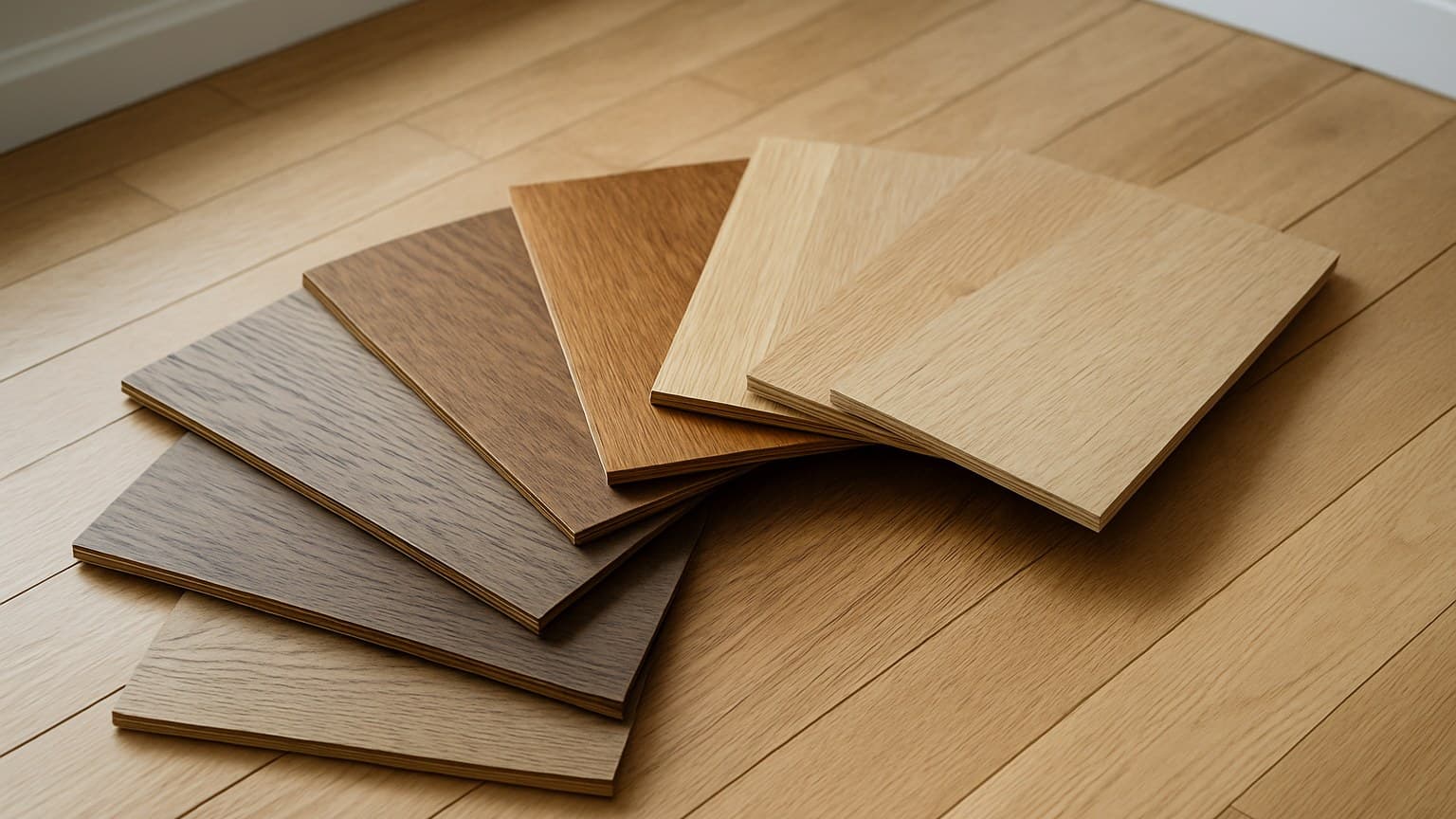
Ask what flooring is the least toxic and the short list barely changes: unfinished solid hardwood, real linoleum (sold as Marmoleum), and ceramic or porcelain tile. Those three sit at the top because of what they're made of, not what the box promises. But the same plank can be clean or a problem depending on the glue and finish that go in with it, so get that wrong and you pay for a healthy floor you never actually installed.
Key takeaways
- Unfinished solid hardwood, real linoleum (Marmoleum), and ceramic or porcelain tile are the consistently lowest-toxin floors, but only the label on the box proves a specific product is low-emission.
- Look for FloorScore or GREENGUARD Gold on resilient and finished floors, and CARB 2 / TSCA Title VI (ULEF or NAUF) on anything with a wood core; each tests different things.
- Ceramic and porcelain are inert because they're fired above about 2000 degrees F, which burns off organic compounds, but the glaze can carry lead, so ask for lead-tested or XRF-checked tile.
- The adhesive, grout, and finish can off-gas as much as the plank; a low-VOC floor set with whatever glue was on the shelf isn't the low-emission floor you paid for.
- Low-emission products and their matching setting materials cost more than bargain equivalents, so budget for the whole system, not just the box.
The Least-Toxic Floors, and How You Actually Prove It
The consistently lowest-toxin floors are unfinished solid hardwood, real linoleum (sold as Marmoleum), and ceramic or porcelain tile. Those three show up at the top of every honest guide because of what they're made of, not what the box promises. If you want them compared head-to-head on health merits alone, this guide on which type of flooring is best for health lays out the tradeoffs between the three.
But here's the part most articles skip: "least toxic" is a property of the specific product and how it's installed, not the material category as a whole. A tile floor set with the wrong grout, or a wood floor coated with a cheap solvent finish, can off-gas more than a well-chosen vinyl. The label on the box is how you prove a single product is low-emission before you spend a dime.
This matters most for the people who breathe the most air per pound: kids, anyone with asthma or other respiratory issues, and the chemically sensitive. Indoor air can run several times more polluted than the air outside, and a new floor is a big fresh surface sitting in that room all day. If you're choosing flooring for a nursery or a room shared with someone in one of those groups, it's worth stepping back to see what is the healthiest flooring for a home before you narrow down to a single material.
Two quick definitions, then I'll point you deeper. Off-gassing is when a material slowly releases gases into the air after it's installed. VOCs, or volatile organic compounds, are the chemicals doing that releasing, and formaldehyde is the one people worry about most. For the full ranking of which materials emit least, I lean on this breakdown of what flooring has the least off-gassing rather than re-running the whole list here.
The Certification Cheat-Sheet: FloorScore vs GREENGUARD Gold vs CARB 2 vs Cradle to Cradle
The fastest way to prove a floor is low-emission is to read the right label for that material. The problem is that the four big labels test different things, and a sticker that means a lot on one floor means nothing on another. Here's how they actually line up.
| Certification | What it tests | Matters most for | Note |
|---|---|---|---|
| FloorScore (SCS) | VOC emissions from the finished floor | Vinyl/LVP, laminate, resilient floors | Tests the product, not the adhesive |
| GREENGUARD Gold (UL) | VOC emissions at a stricter, sensitive-use threshold | Any floor used near kids or in health care settings | Tighter limits than standard GREENGUARD |
| CARB 2 / TSCA Title VI | Formaldehyde emissions from composite wood | Laminate, engineered wood, anything with a wood core | Look for ULEF or NAUF tiers |
| Cradle to Cradle | Whole-product material health and ingredients | Buyers vetting the full recipe, not just fumes | Not a substitute for an emissions cert |
Source: each program's own published certification criteria
What each flooring certification checks and the material it's built for, drawn from each program's own published criteria.
FloorScore and GREENGUARD Gold both measure VOCs coming off the finished product, but GREENGUARD Gold uses the stricter threshold built for schools and hospitals, so it's the one I point parents toward. If you want to go deeper on that one, this guide to GREENGUARD Gold certified flooring spells out what the Gold tier does and doesn't promise.
CARB 2 / TSCA Title VI is a different animal: it only covers formaldehyde in composite wood, with ULEF (ultra-low-emitting formaldehyde) and NAUF (no added urea formaldehyde) as the tiers you want to see on laminate and engineered wood. The EPA's own consumer Q&A on laminate flooring makes the point that emissions vary a lot by product and by where the wood core was sourced, which is exactly why checking the tier on the label matters more than trusting the material name alone. Cradle to Cradle grades the whole recipe, not just fumes. Treat it as a bonus signal, not a swap for a VOC cert.
Match the label to the material. A wood-core floor needs a formaldehyde cert. A resilient floor needs an emissions cert. A FloorScore sticker on glue-down vinyl tells you about the vinyl, not the glue you'll spread under it.
Why the Safest Floors Are Safe: Firing Temp and the Formaldehyde Rule
The safest floors are safe for two very different reasons, and you shop for them differently because of it. Some are low-toxin by their nature. Others are low-toxin only because a rule and a label force them to be. Seeing both camps laid out side by side in one place, like this roundup of non-toxic flooring options, makes it easier to decide which path fits your home before you start reading labels.
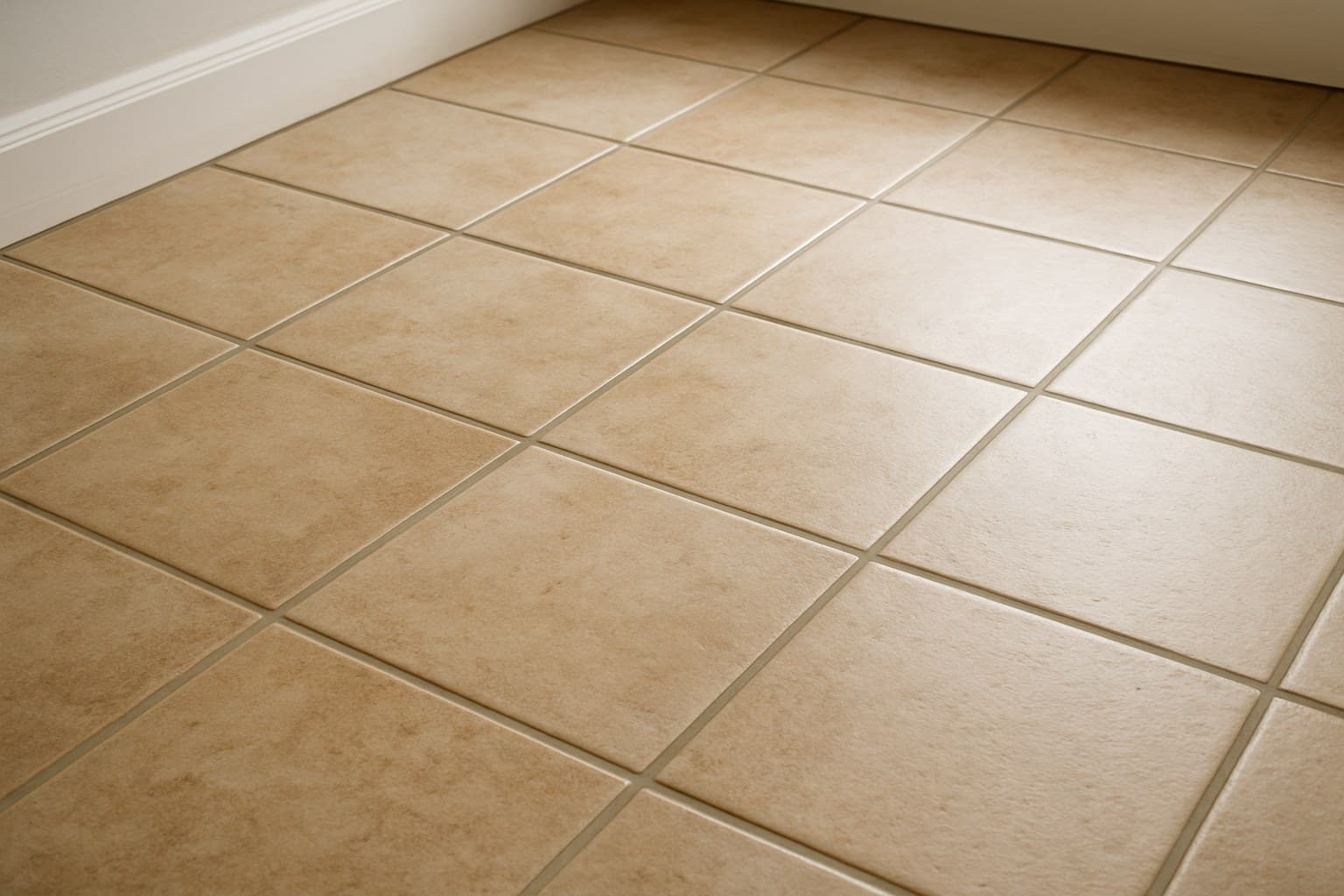
Ceramic and porcelain tile are inert because, according to the Tile Council of North America, they're fired above roughly 2,000°F. That heat burns off the organic compounds that would off-gas in the first place, so the fired clay body has nothing left to release. Solid wood is similar in spirit: it's one material, with no glued-in core to emit formaldehyde.
Laminate and engineered wood are the opposite case. They're built from wood fibers and glue, so their safety rides on what the EPA calls the Formaldehyde Standards for Composite Wood Products Act, known as TSCA Title VI. That law caps how much formaldehyde composite wood can emit, and CARB 2 compliance is exactly what proves a product meets it.
The difference is real, not marketing. NAUF composite products are built to emit far less formaldehyde than older added-urea-formaldehyde boards, though the exact reduction varies by product and manufacturer rather than following one fixed number. When you buy fired clay or solid wood, you're trusting the material. When you buy composite wood, you're trusting the tier printed on the label, which means you have to actually check it.
The Tile Lead Question: Inert or Overlooked Risk?
Here's a conflict most guides gloss over. They call tile "chemically inert," which is true of the fired body, but testing-focused sources flag lead in some glazes as a separate concern. Both things can be true at once.
The reason is that the glaze is a coating sitting on top of the clay, not part of the fired body. The body is inert. The glaze is where lead can hide, and it shows up mostly in unmarked or decorative imported tile, not mainstream US-sold product.
So give yourself a move at the counter. Ask the retailer whether the glaze has been lead-tested, ideally with XRF, which is a quick x-ray scan that reads what's in the coating. Favor porcelain fired above about 2,000°F from a maker that publishes its test data, and pair it with a low-VOC thinset and grout instead of whatever bucket is open on the shelf. Treat unmarked decorative imported tile with no test data as the one to be cautious about.
Keep this in proportion. For mainstream tile sold in US stores, lead in the glaze is a lower-probability risk, not a reason to walk away from tile. It's still one of the lowest-emission floors you can lay.
The Glue, Grout, and Finish Carry as Much Risk as the Plank
This is the part I wish every homeowner heard first: off-gassing can come as much from the adhesive, underlayment, grout, and finish as from the floor itself. A "non-toxic" plank set with bargain glue is not the low-emission floor you think you bought. You graded the box and ignored the four other things going in with it.
Picture the whole assembly as a stack, top to bottom. The finish or sealer on top can off-gas as it cures. The plank or tile is the surface you shopped the label for. Under that, the adhesive or grout is often the biggest hidden emitter. Below that sits the underlayment, usually a foam or cork pad, which has its own emission rating that counts. And at the bottom is the subfloor everything bonds to.
The fix is straightforward. Where you can, choose click-lock floating floors that need no glue at all, which removes a whole emission source from the stack. Where you can't float it, spec low-VOC or FloorScore-certified adhesive, thinset, grout, and finish, and treat those line items as part of the floor, not an afterthought.
Be straight with yourself about cost, too. The low-emission version plus matching setting materials almost always costs more than the bargain equivalent. The cheapest "non-toxic" question is the one I get most, and the honest answer disappoints people. I had a customer outside Dayton who'd budgeted for healthy, then asked me to swap back to a standard adhesive once the low-emission adhesive and finish landed on the estimate above the floor itself. If you want help picking products that already carry the right certs, start with these non-toxic flooring brands, and if you're still narrowing the material down, what flooring materials should I avoid is the companion that works from the other direction.
Which Least-Toxic Floor Fits Your Room and Budget
There's no single winner here, so match the floor to the room, the moisture, and what you're willing to spend on the whole system, not just the plank. Cost ranges below are rough US figures split into materials and labor, and both basements and stairs run higher than an open room because of prep, cuts, and transitions. Tile-setting and site-finished hardwood are skilled trades worth hiring a pro for; glued-down linoleum is usually hire-out too, while a click-lock floating floor is the one job here most DIYers can actually handle.
For a kitchen, bath, or basement where water is the real enemy, ceramic or porcelain tile is my pick. Materials run about $2 to $15 per square foot and labor about $5 to $14, and the inert fired body means the emission question lives almost entirely in the thinset and grout you choose.
For living rooms and bedrooms where you want warmth underfoot and the lowest-fuss emission profile, real linoleum like Marmoleum is a strong call. Expect materials around $4 to $7 and labor around $3 to $7, and note it's usually glued down, so the adhesive cert matters a lot.
For whole-home character and the longest life, unfinished solid hardwood finished on site lets you control the one variable that off-gasses: the finish. Materials run about $4 to $10 and labor about $4 to $8, plus sanding and finishing on top. If you'd rather compare the broader green picture across materials, the most eco-friendly flooring option widens the lens past emissions alone.
One habit that pays off years later, whatever you pick: have your installer leave you a labeled box of offcuts and the product info sheet. The jobs that come back to bite me are the ones where nobody kept the spec and we're hunting a discontinued plank. Keeping the sheet also means you can prove the cert later if a family member ever gets sensitive.
Sources
- EPA: Questions and Answers Regarding Laminate Flooring
- EPA: Frequent Questions for Consumers About the Formaldehyde Standards for Composite Wood Products Act
- Tile Council of North America: Tile, The Natural Choice (2025)
- Tile Council of North America: Tile, The Natural Choice (2026)
- EPA: Flooring Science Report (archived snapshot)