
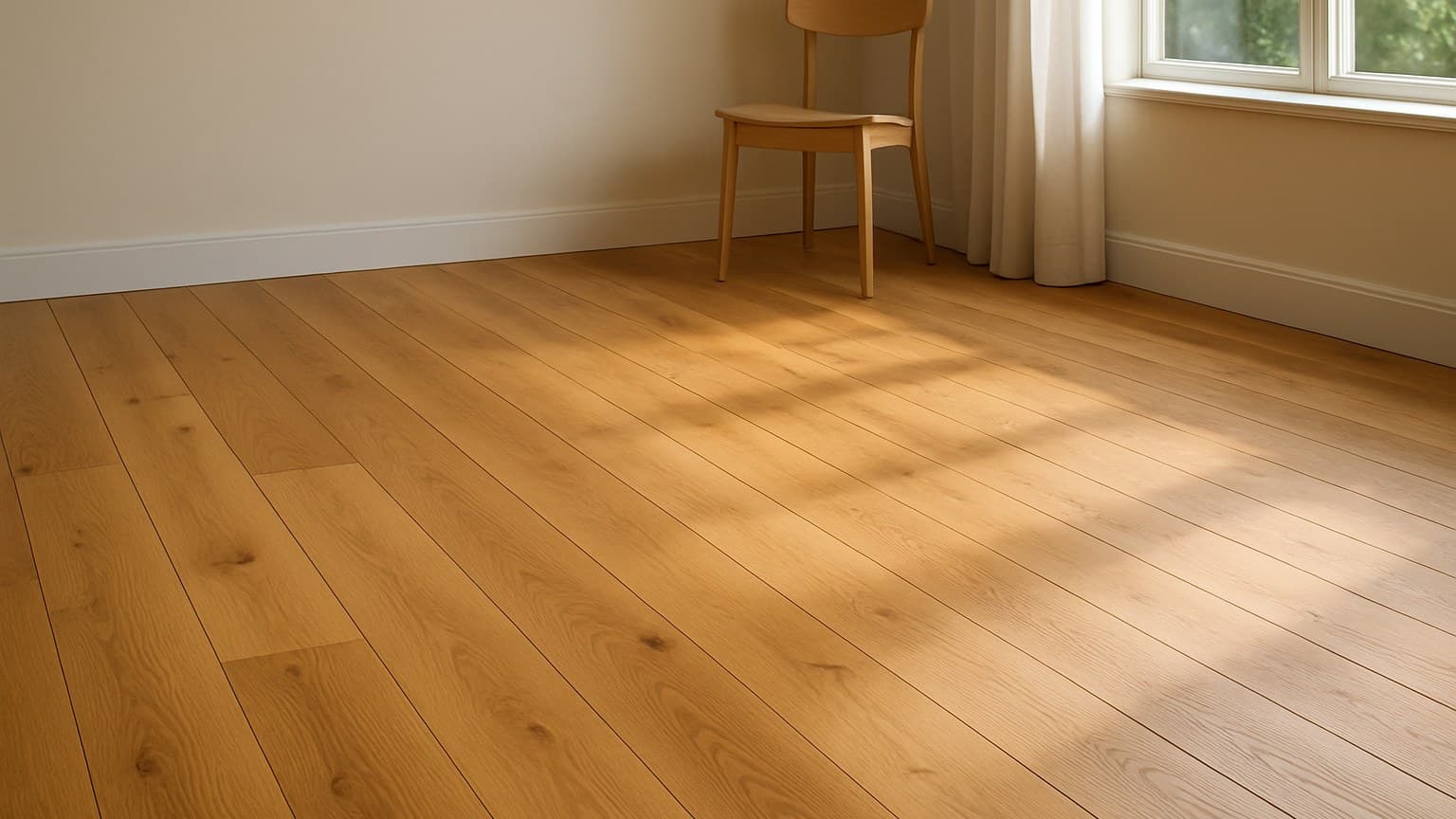
The most popular floor color right now is warm honey and wheat oak, a light-to-mid white oak with a warm cast that's showing up in almost every install I've done this year. Three years ago the answer would have been a cool gray-wash, and half the trend lists out there still haven't caught up to the flip. Here's what's actually landing in real homes, room by room and material by material.
Key takeaways
- Warm honey and wheat oak (light-to-mid white oak) is the single most-requested floor color right now, in wood and in wood-look LVP.
- Gray isn't dead, but it's clearly fading: 2025 trend lists still ranked cool gray in their top five, while 2026 requests swung warm fast.
- Matte and satin finishes plus wide planks (7 inches and up) with natural variation now read current; high-gloss reads dated.
- For carpet and tile, neutrals still rule, but warm ones: greige and cream carpet, warm oak wood-look and cream stone-look tile.
- The safest resale color is a warm mid-tone that hides scratches and dust; trendy extremes (stark gray, near-black espresso) date fastest.
What Is the Most Popular Floor Color Right Now?
Warm honey and wheat oak, a light-to-mid white oak with a natural warm cast, is the single most-requested floor color right now. It's the pick I see across the board, not just in solid wood but in engineered oak and in wood-look LVP printed to match. If vinyl plank is more your speed, it's worth checking out what color LVP is trending in 2026 to see how closely it tracks this same shift.
When Renee, a client of mine in Columbus, handed me a phone photo last month and said "this one," it was a warm honey oak, no hesitation. Three years ago, that same client would have pointed at a cool gray-wash without blinking. The swing has been that clear from where I stand.
Warm tones hide dust and pet hair better than cool gray, which shows every speck the second the light hits it. Warm honey also sits right under the warm-white paint and creamy cabinets people are putting in now, so the whole room reads cozy instead of cold.
On Renee's job in Columbus, the hallway carpet and the kitchen tile both landed in the same warm family as the oak she picked for her floors, proof that "floor color" covers more than planks. Here's the year-over-year shift, plus what's winning in carpet and tile right now.
Is Gray Really Out? The 2025-to-2026 Shift
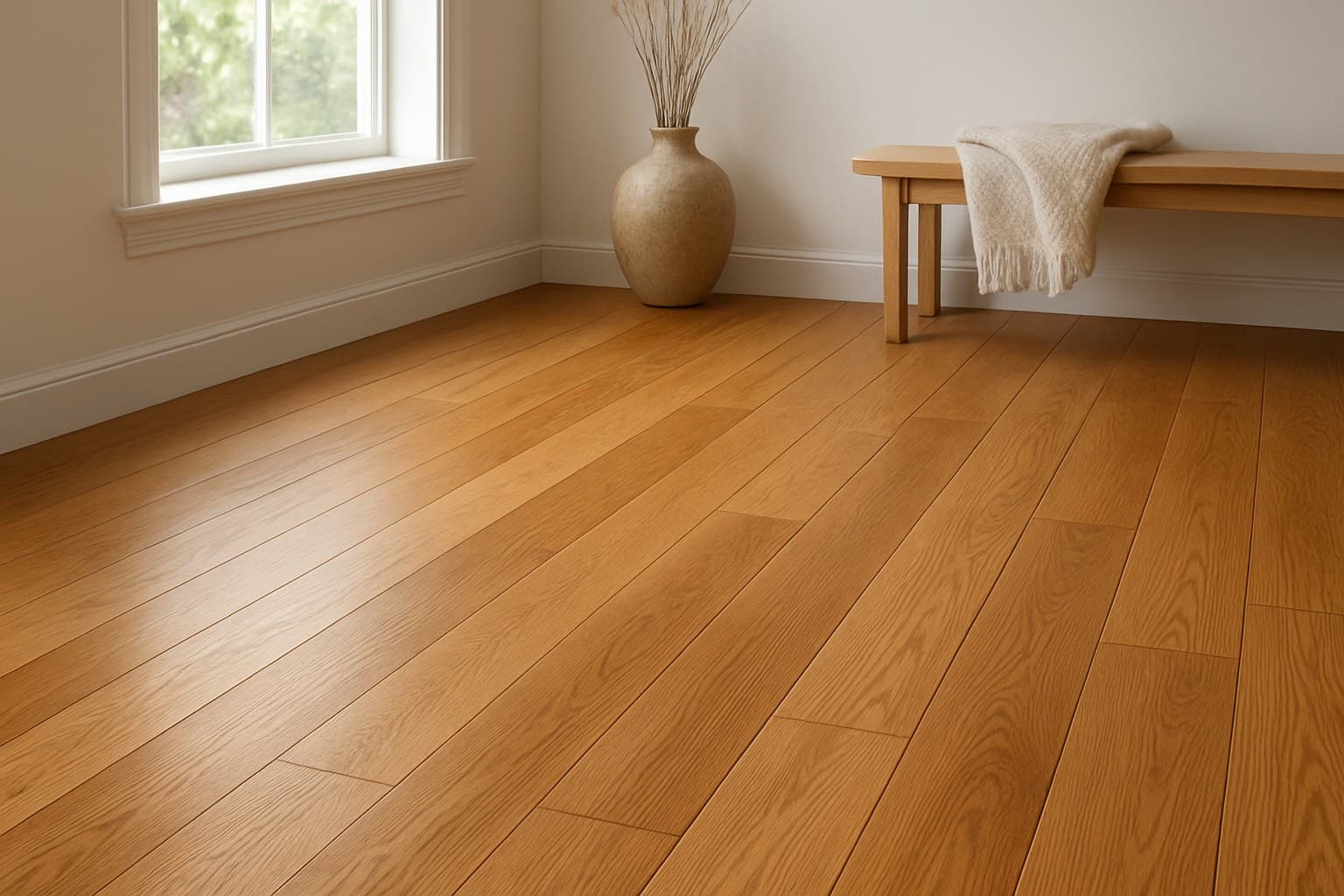
Gray isn't banned, and gray floors already down are not a mistake to rip out. But it's fading fast, and the pace surprised even me watching it season to season.
Here's the source conflict worth clearing up. If you read a 2025 trend list, cool gray and gray-wash oak still sat in the top five. Read a 2026 page and half of them call gray flat-out dead. Both are right for their moment, which is why the timeline matters more than picking a side.
From the installer's chair, the change showed up in what people walked in asking for. Cool gray-wash requests dried up over about two seasons and got replaced by warm greige and honey. It wasn't gradual either. It felt like a switch flipped between one winter and the next.
If you've got gray floors down now, don't panic. The resale hit is small, and you can soften the cold look cheaply. A warm rug and a warmer wall color do most of the work without touching the floor. If you'd rather change the wood color itself down the line, it's worth pricing out the cost to refinish hardwood floors before you commit to sanding.
| Period | Leading pick | On the way out |
|---|---|---|
| 2025 trend lists | Cool gray and gray-wash oak still ranked in the top five | Warm honey seen as a niche or "traditional" choice |
| Early 2026 | Warm greige and light honey oak took the lead in requests | Cool gray slid down the lists |
| Now, late 2026 | Honey and wheat white oak is the clear number one | Straight cool gray requests are rare |
Source: the colors homeowners asked me to install across the 2025 and 2026 seasons, checked against dated trend lists still touting gray in 2025
How the leading floor color shifted from 2025 through late 2026.
The Warm-Tone Lineup: Honey, Greige, Mid-Brown, Cream
The warm family isn't five equal picks. There's an order, and knowing it saves you from second-guessing samples.
Honey and wheat oak lead. Warm greige comes next, then mid-brown, then cream and blonde. Greige, if the word is new to you, is a warm mix of gray and beige. It keeps the clean neutral look people liked about gray but drops the cold cast that now reads dated. If you're sitting on a deeper reddish wood, it's worth understanding why Brazilian cherry floors keep getting darker before you decide whether to refinish or embrace it.
Each tone has a room it fits best:
- Honey and blonde brighten small or dark rooms, since the light color bounces around instead of soaking it up.
- Warm greige is the safe middle that works almost anywhere.
- Mid-brown hides wear and scuffs in busy family spaces better than anything lighter.
- Cream and blonde read airy and open, but they show dust, so skip them in a high-traffic hall unless you like sweeping.
If you're leaning toward the lightest end, it's worth reading whether blonde floors are in style before you commit, since blonde and honey sit right next to each other on the shelf and it's easy to grab the wrong one under store lighting.
Beyond Wood: Popular Carpet and Tile Colors Today
The search says "floor color," not "wood color." On the last three carpet and tile jobs I've bid, every client picked a warm neutral instead of the cool gray-blue they'd have wanted a few years back.
In carpet, neutrals still rule overall. According to the Carpet and Rug Institute, gray, cream, and beige neutrals remain the most widely used carpet color family, though what I'm being asked to install lately is skewing warmer, requests for greige and soft taupe are catching up to the cool gray-blues that peaked a few years back. Soft taupe, if you haven't heard it called that, is a warm gray-brown, think of a light coffee with a lot of milk.
In tile, I'm seeing more requests for warm wood-look oak tones and warm cream or beige stone-look, a shift that lines up with the natural, warm-toned direction the Tile Council of North America highlights in its 2026 tile trends report, moving away from the cool gray marble-look and gray wood-look planks that were everywhere a few years back. If you're torn between that look and real wood, it's worth comparing wood tile flooring against solid planks before you order samples.
One practical payoff: keeping warm across materials lets you carry one color story room to room. A warm wood-look tile at the entry flows straight into honey wood in the living room, and the eye reads it as one floor instead of a hard stop at the doorway.
| Material | Popular now | Fading |
|---|---|---|
| Carpet | Warm greige, cream, soft taupe | Cool gray-blue, stark cool beige |
| Tile, wood-look | Warm oak and light walnut tones | Gray wood-look plank |
| Tile, stone-look | Warm white, cream, soft beige | Cool gray marble-look |
Source: carpet colors I've been asked to lay lately, lined up with the Carpet and Rug Institute's read on neutral demand
Warm neutral colors gaining ground in carpet and tile requests.
Finish and Format Matter as Much as Color
Color gets all the attention, but finish and plank size date a floor just as fast. Matte and satin have replaced high-gloss. Gloss reads dated now, and it shows every scratch and footprint the moment sun crosses it. If you want full control over that sheen, unfinished hardwood flooring lets you choose the finish yourself after it's sanded on site.
Two texture terms worth knowing. Wire-brushed means the soft grain has been scraped out so you get real texture underfoot and the floor hides scuffs. EIR, or embossed-in-register, is an LVP feature where the plank's bumps line up with the printed grain, so it feels like wood instead of a photo of wood.
On format, wide planks of 7 inches and up with natural color variation are in. Narrow strips and boards that all look identical read older now. The variation is the point, because it mimics how real wood differs board to board.
Herringbone and chevron patterns are having a moment. Just know they cost more in both material and labor, since there's more cutting and waste, and they're a poor choice for a first DIY job. Save those for a pro or for after you've laid a few straight floors.
How to Choose Without Dating Your Home or Hurting Resale
A warm mid-tone is the lower-regret pick. It hides wear, suits a wide range of rooms, and appeals to buyers, which matters if you might sell.
Here's the method I give every customer. Pull samples and lay them in the actual room, then look at them in morning light and again at night under your lamps. A color that looks perfect at the store can turn gray or yellow in your own light. Check the undertones against your walls and cabinets while you're at it, not against a store display.
Steer clear of the extremes that date fastest and show every speck: stark whitewash, cool gray, and near-black espresso. Near-black in particular shows dust and lint fast in a busy room.
Be honest with yourself about resale, too. Buyers do reward warm, neutral wood-look floors, but color alone won't recover a bad install or skipped prep. If you're playing the long game, it's worth seeing which floor colors never go out of style before you spend, and keeping subfloor prep front of mind either way.
Sources
- Carpet and Rug Institute: Selecting the Right Carpet
- Carpet and Rug Institute: Modern Carpet Trends
- Carpet and Rug Institute: How Carpet Helps You Create a Healthy, Stylish, Comfortable Home
- Tile Council of North America: 2026 Tile, the Natural Choice
- National Wood Flooring Association: Homeowner's Handbook to Real Wood Floors