
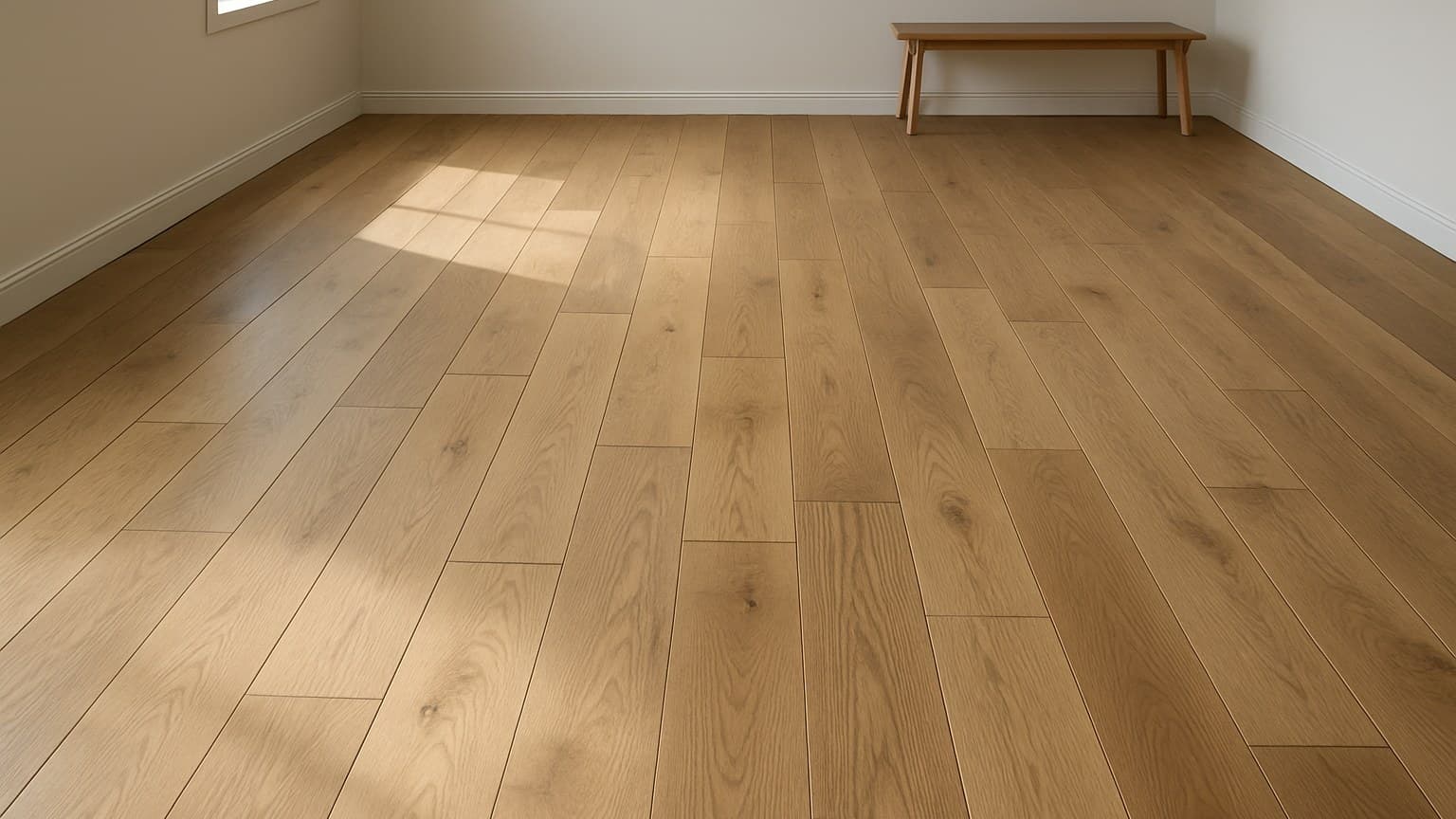
When Teresa Okafor in Grand Rapids called me back in for a floor that had swollen along every seam, I traced it to a wear layer too thin to ever sand, not the buckled boards themselves. My pick after years of these callbacks is Mirage, its milling, factory finish, and NWFA refinish backing hold up better than anything else in this price class. Three numbers decide whether any engineered floor lasts, and most showroom displays hide every one of them.
Key takeaways
- Judge an engineered floor by three numbers first: wear-layer thickness (the real wood on top), core type, and how many refinishes the maker allows, not the plank photo.
- A floor can only be sanded later if its top veneer is thick enough; the NWFA Engineered Refinishable Program lists the member brands whose products are built to take a real sand-and-refinish.
- For most homes, Mirage is my overall pick; Shaw and Bruce are the honest big-box budget buys, and Somerset is strong American-made value.
- Real cost splits into materials (roughly $3-14 per square foot depending on tier) and labor (roughly $3-8 per square foot), and stairs or basement jobs run higher than open rooms.
- Click-lock floating floors are realistic DIY; glue-down, stairs, and big open-plan moisture transitions are where hiring a pro usually pays off.
How These 7 Brands Earned a Spot
I didn't rank these brands by how good the samples look. I scored each on five things that actually decide the floor: wear-layer thickness tied to a real named product line, core type, how many refinishes the maker allows, the warranty term and what it truly covers, and a price split into materials versus labor. Looks are the easiest part to fake; specs are not.
Here's the short answer so you can skip ahead if you want. Mirage is my overall pick. Shaw and Bruce are the honest big-box budget buys. Somerset is the best American-made value. The rest earn a spot for specific rooms and needs, which I'll walk through below.
One warning about how these get sold: pretty photos hide thin veneers all the time. A board can look like a 50-year floor and carry a wear layer too thin to ever sand. If you want the flip side of this list, see my companion guide on the engineered hardwood brands to be cautious with before you sign anything.
And the caveat I give every customer: no brand saves a bad subfloor. The finished floor only lasts as long as the prep under it. Every callback I've ever had traced back to something below the plank, a slab that read fine to the hand but not to a moisture meter (the little tool that reads how wet the subfloor is), or a hump I talked myself into ignoring.
The 3 Numbers That Decide a Good Engineered Floor
Three specs separate a floor you keep for decades from one you throw out. Read them off the box, not the sales tag.
Wear layer is the real wood on top, the part you see and can sand. Thicker veneer means more sand-downs later. This single number does more to decide a floor's life than species, color, or brand name. A 2mm veneer and a 4mm veneer are not the same floor, even if they look identical on the shelf.
Core type sets how stable the plank stays. A plywood or birch core handles concrete and below-grade rooms far better than a cheap HDF core. HDF stands for high-density fiberboard, a pressed-wood core that costs less and swells faster if it ever meets standing water.
Species and hardness affect dents and scratches, but they don't drive stability over concrete, the core does. A hard species on a weak core still moves. If you're still choosing between engineered and solid wood for the room, my engineered vs solid hardwood breakdown covers where each one belongs.
A plank is built in layers: a clear finish coat on top, then the real hardwood veneer you can sand, then the cross-layered core that resists moisture movement, and a backing layer underneath that keeps the whole thing flat. The veneer runs about 1 to 6mm; the core runs about 6 to 12mm.
Here's why the veneer number matters so much, laid out as roughly how many full refinishes each thickness allows.
| Wear layer (veneer) | Refinishes possible |
|---|---|
| 1 mm | 0 |
| 2 mm | 1 |
| 3 mm | 2 |
| 4 mm | 2-3 |
| 6 mm | 3-4 |
Roughly how many full sand-and-refinish cycles each veneer thickness supports; the 2-3 and 3-4 figures are ranges, not fixed numbers.
Can It Actually Be Refinished? What the NWFA Program Says
A floor can only be sanded if its veneer is thick enough, and there's a source that settles this better than any salesperson. According to the National Wood Flooring Association's Engineered Refinishable Program, member manufacturers build engineered floors designed to be genuinely sanded and refinished, not just labeled that way. That program is how you answer the biggest showroom fib with a fact instead of a guess. Mirage is listed among its member brands.
Here's what "refinish" really means at each thickness. A thick veneer, 3mm or more, takes a full sand and new finish, often more than once. A mid veneer around 2mm usually gets one careful refinish before you hit the glue line, the layer of adhesive that bonds the veneer to the core. Sand past it and you ruin the plank. Anything under 2mm gets a screen-and-recoat at most, which is a light buff of the surface and a fresh coat of finish, never a deep sand down to bare wood.
So before you buy, match the maker's published veneer thickness to whatever refinish claim the salesperson makes. If the number on the spec sheet says 1.5mm, no marketing line changes what that floor can take.
Mirage: My Overall Pick
Mirage tops my list because the milling is consistent, the factory finish holds up, and its membership in the NWFA Engineered Refinishable Program backs the refinish claim instead of just promising it. In the floors I've laid, the boards go down flat and the tongues fit clean, which sounds small until you've fought a cheap batch where every third plank rocks.
On specs, Mirage's spec sheets list wear layers around 3mm across many of its engineered lines, on a stable multi-ply core, with a residential finish warranty commonly cited around 35 years on those boards. Confirm the exact SKU, because thickness and warranty shift between collections. The tradeoff is plain: you pay a premium materials price, roughly the top of the range. It's worth it in a room you plan to keep for decades and refinish more than once.
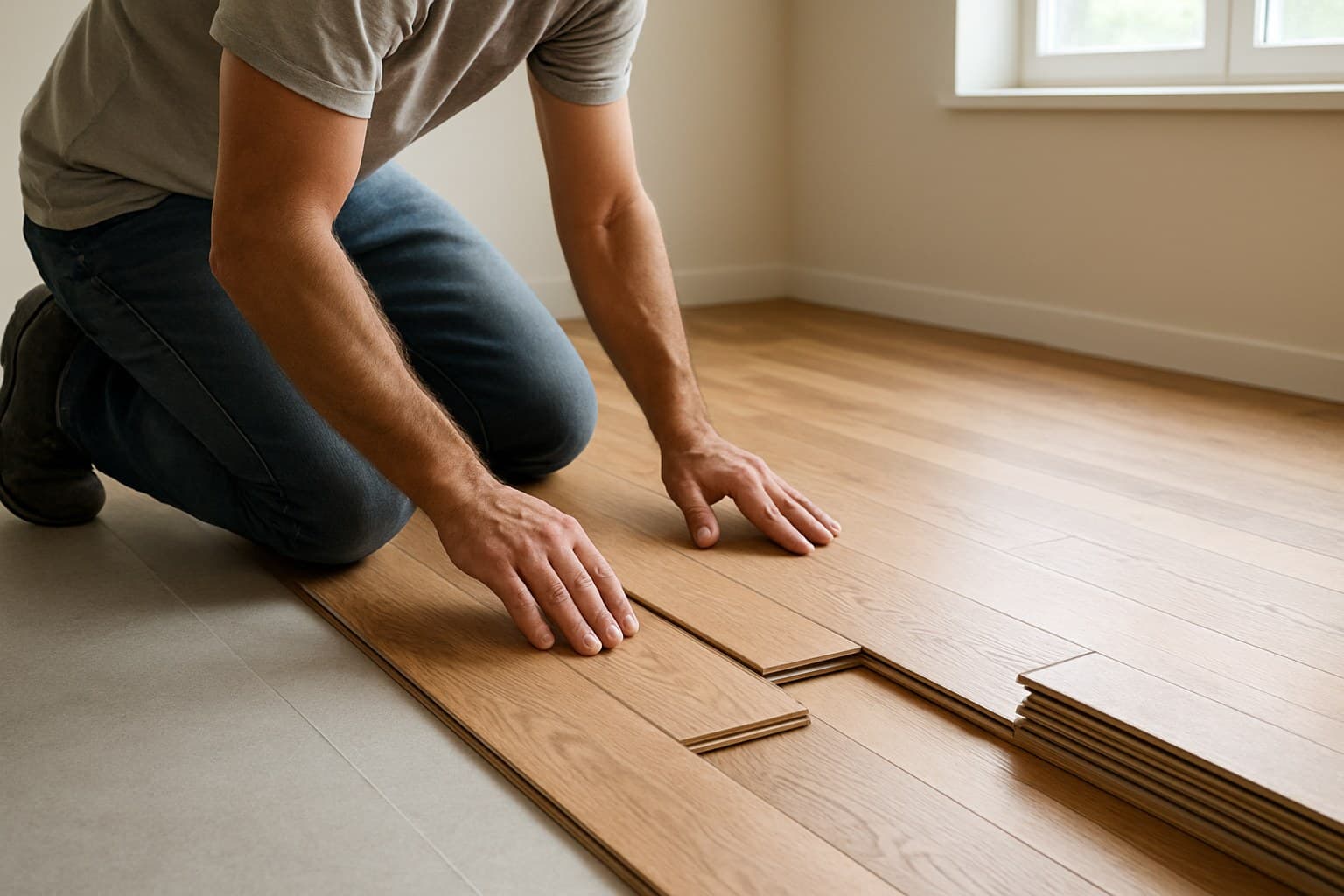
On install, these are prefinished planks that nail or glue down. That's a job most people hire out, and I'd agree here.
Lauzon: Best for Air Quality and Finish Durability
Lauzon is a premium Canadian brand built around a tough, low-maintenance factory finish. If you want a floor you can more or less wipe and forget, this is the one I point busy households toward.
Its spec sheets list wear layers in the 2 to 3.5mm range across the Organik collections, on a multi-ply core, with a long residential finish warranty; check the specific line for the exact number. Lauzon markets its Pure Genius finish as helping break down some indoor air contaminants, which is a real product claim worth reading on their own terms rather than mine. The Titanium-style finish is a genuine durability edge, not a gimmick, in my experience it shrugs off scuffs better than most.
One honest line: a durable finish protects the plank surface, not the seams. Standing water still finds the edges between boards, so finish toughness and seam resistance are two different things.
Kentwood: Best Wide-Plank Looks
Kentwood is the pick when you want wide planks and long boards that read like solid wood. The wide format gives you fewer seams and that calm, open look people chase, on a stable multi-ply core.
Spec profiles vary by collection, so read the line's own sheet for veneer thickness, core, and warranty before you commit. Wide boards carry one catch: they move more with humidity, so subfloor flatness matters even more than usual. A hump that a narrow plank hides will telegraph right through a 7-inch board. If you're weighing widths, my guide to 12-inch and wide engineered planks covers the sizing tradeoffs.
On install, wide boards are less forgiving to DIY than narrow click-lock. They want a flatter subfloor and a steadier hand.
Somerset: Best American-Made Value
Somerset is solid US-made engineered hardwood at a mid price, strong on Appalachian species like oak and hickory. If you want domestic sourcing without paying top-tier import money, this is where I'd look first. If you're still deciding between solid and engineered oak or hickory for your particular room, my guide to solid vs. engineered hardwood species walks through which fits best.
Its engineered lines list wear layers in the range that supports a real refinish on a plywood core, with a multi-decade residential finish warranty; verify the collection you're buying. The value angle is simple: real-wood quality that sits below the premium imports on price but well above the throwaway budget floors on build. For the full line-by-line breakdown, see my dedicated Somerset engineered hardwood guide. It suits buyers who care where the wood comes from and don't want a premium bill.
Shaw: Best Big-Box Availability
Shaw is the easy-to-find mainstream pick, sold widely enough that matching and quick reorders are simple. That matters more than people think when you need one more box six months later.
Its engineered lines, sold under names like Reflections and Expressions, run budget-to-mid on price, with veneer and core specs that vary a lot by collection. Be honest with yourself here: mainstream lines skew toward thinner veneer, so check the actual number before you assume the floor refinishes. Some Shaw entry-level collections, for example, list wear layers under 2mm on certain SKUs, which typically means recoat only, always confirm the number on the specific product you're buying. To comparison-shop the same tier, my rundown of Floor & Decor's engineered options is a good cross-check.
On install, many Shaw lines offer click-lock floating, which most DIYers can handle over a properly prepped subfloor.
Bruce and Mohawk: The Honest Budget Buys
These two are the accessible big-box brands, ranked for value, not prestige. Bought with eyes open, both are fair floors.
Bruce is a reasonable entry-level engineered floor. Its American Vintage line commonly lists wear layers around 2mm on a plywood or HDF core, with a budget price band, confirm the number on the SKU you're considering. When you know exactly what you're getting, it's honest money for an honest floor. Just don't expect a 2mm veneer to sand more than once, if at all.
Mohawk's engineered lines, sold under the TecWood name, include some boards with waterproof-core claims and Uniclic locking, a click-together edge system that snaps planks tight without glue or nails. Read those claims carefully: a waterproof core means the plank body resists swelling, but it doesn't make the seams between boards waterproof. Water failures start at the seams and edges, not the plank face. Treat "waterproof core" and "water-resistant install" as two separate promises. If you actually need a floor built to survive standing water rather than just resist it, my waterproof engineered hardwood guide breaks down which cores and seams really qualify.
If you're chasing the lowest price, my discount engineered hardwood guide shows how to hunt closeouts without buying a floor you'll regret.
What It Really Costs: Materials vs. Labor
Engineered hardwood splits into two costs, and lumping them into one national number hides the part you can actually control. Materials run roughly $3 to $14 per square foot depending on tier. Labor runs roughly $3 to $8 per square foot, and it climbs on harder jobs.
| Tier | Example brands | Materials ($/sq ft) | Labor ($/sq ft) |
|---|---|---|---|
| Budget | Bruce, Mohawk, Shaw entry lines | $3-6 | $3-5 |
| Mid | Somerset, Kentwood | $5-9 | $4-6 |
| Premium | Mirage, Lauzon | $8-14 | $5-8 |
Source: I pulled each row from the brand's own published spec sheet and checked the refinish column against the NWFA Engineered Refinishable Program list
Materials-versus-labor bands by brand tier; confirm current pricing with your local supplier and installer.
Two things push labor to the top of that range or past it. Stairs cost more per step because each tread and riser is cut and fit by hand, and basements cost more than open rooms because they usually need a moisture barrier and more subfloor prep before a plank ever goes down. An open living room is the cheap version of this job; a staircase is the expensive one. For a deeper cost breakdown, see my engineered hardwood cost guide, and for labor specifics, the cost-to-install walkthrough.